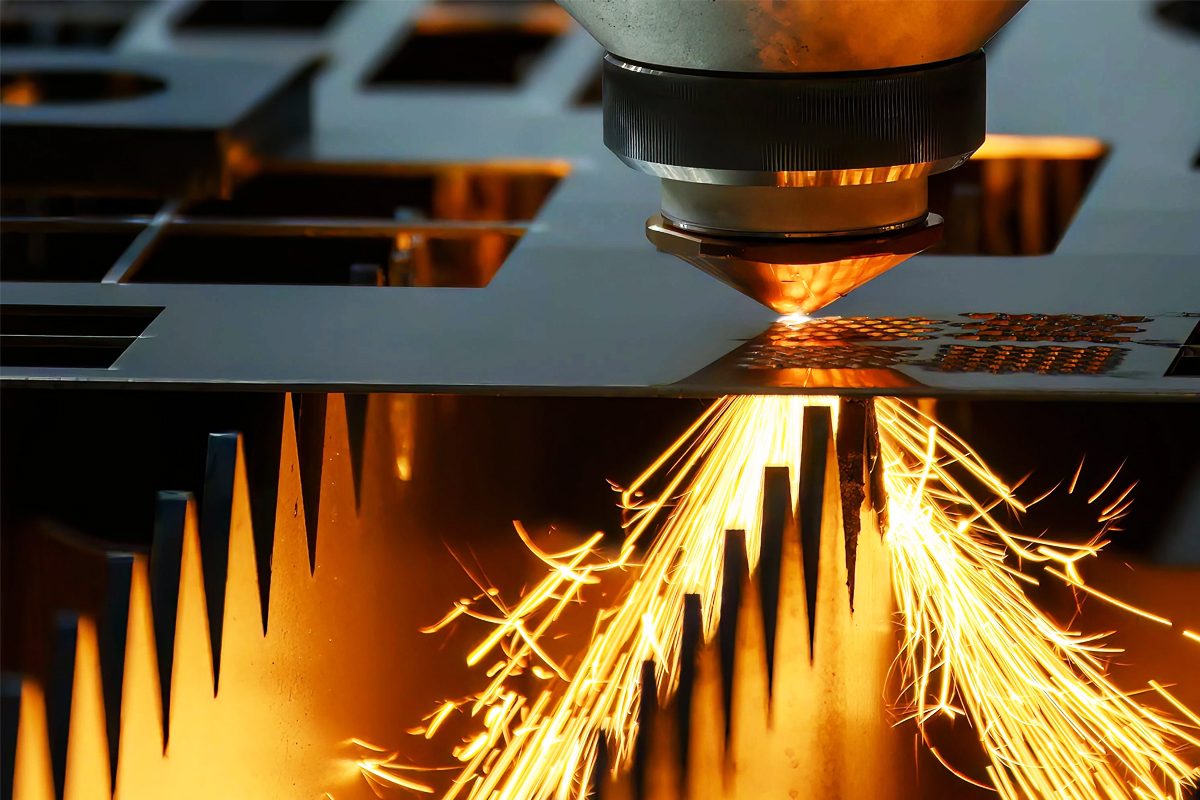
When it comes to modern manufacturing, few tools offer the precision, speed, and versatility of laser cutting machines. From metal fabrication and automotive parts to signage, jewelry, and custom industrial components, laser technology has transformed how businesses design and produce goods. However, before investing in such advanced equipment, it is essential to carefully evaluate several key factors to ensure the purchase aligns with your operational needs and long-term goals.
Buying laser cutting machines is not just a technical decision—it is a strategic investment. These machines vary significantly in terms of power capacity, laser source type (such as fiber, CO2, or mixed), material compatibility, cutting thickness, automation features, and overall cost. Selecting the wrong machine can lead to production inefficiencies, increased maintenance expenses, limited scalability, or even safety risks. On the other hand, choosing the right system can dramatically improve productivity, product quality, and return on investment.
Another critical consideration is your specific application requirements. Are you primarily cutting metal sheets, non-metal materials, or a combination of both? What production volume do you anticipate? Do you require high-speed precision cutting, engraving capabilities, or integration with automated loading systems? Understanding your current and future production demands will help you narrow down the most suitable machine specifications.
Beyond technical performance, buyers must also assess factors such as supplier reliability, after-sales service, training support, spare parts availability, and warranty terms. A reputable manufacturer with strong technical support can significantly reduce downtime and extend the lifespan of your equipment.
In short, purchasing laser cutting machines requires careful research and thoughtful planning. By understanding the essential considerations before making a decision, you can invest with confidence and ensure your equipment supports your business growth for years to come.
The foundation of any laser cutting operation is the material being processed. Different laser technologies interact differently with various materials, and selecting the wrong system can lead to performance limitations, safety risks, or unnecessary operational costs.
This distinction matters because reflective metals require advanced laser protection systems and stable beam quality. If your material mix includes coated or painted metals, cutting parameters and assist gas selection become even more critical.
In addition, consider future expansion. Are you planning to enter new industries such as automotive, aerospace, or decorative fabrication? If so, your material mix may evolve. A machine that accommodates foreseeable changes can prevent premature equipment replacement.
Material thickness has a direct and measurable impact on laser performance. While manufacturers often advertise maximum cutting thickness, the more relevant factor is your real-world working thickness range.
For example, if most of your orders involve 1–4 mm sheet metal, optimizing for high-speed thin-sheet cutting may significantly increase productivity. In contrast, if heavy plate cutting (15–25 mm) represents a substantial portion of your workload, higher power and stable beam penetration become essential.
Selecting a machine with insufficient power may lead to slower cutting speeds and inconsistent edge quality. Conversely, purchasing an excessively high-power system for predominantly thin materials can increase electricity costs and capital expenditure without delivering proportional benefits.
Strategic planning should also account for business growth. If market trends indicate rising demand for thicker structural components, investing slightly above your current maximum thickness capacity may provide flexibility without significantly increasing cost.
Production complexity goes far beyond material and thickness. The geometry of your parts plays a critical role in determining machine performance requirements.
For example, cutting small holes in thick material demands consistent beam focus and thermal control. Poor machine stability may result in tapering, burr formation, or dimensional inaccuracies.
By clearly defining geometry requirements, you can avoid overpaying for unnecessary ultra-precision features or underestimating the importance of motion control accuracy.
Laser cutting is rarely the final manufacturing step. Most components proceed to bending, welding, machining, coating, or assembly. Therefore, machine selection must consider how parts integrate into downstream processes.
Tighter tolerances require higher mechanical rigidity, consistent beam stability, and advanced calibration systems. Even small variations in machine alignment can affect repeatability over time.
Ignoring downstream requirements often results in rework, wasted materials, and production bottlenecks. Aligning laser performance with the entire manufacturing chain ensures smoother operations and better product quality.
Clear production targets transform technical selection into measurable decision-making.
For job shops with low-volume, high-mix production, flexibility may outweigh raw speed. Quick job setup, easy programming, and compatibility with design software may become top priorities.
Production targets also influence cost calculations, such as energy consumption, maintenance intervals, and labor requirements. Without defined output goals, evaluating return on investment becomes nearly impossible.
Starting with clearly defined production requirements is not merely a planning exercise—it is a strategic safeguard against costly investment errors. By systematically defining your material mix, thickness range, part geometry, tolerance standards, and production targets, you create a clear technical profile of what your laser cutting machine must achieve.
This structured approach ensures that your equipment selection aligns with operational reality rather than marketing claims. It prevents underpowered systems that restrict productivity and avoids oversized machines that inflate costs without delivering proportional value. Furthermore, aligning machine capability with downstream processes enhances overall workflow efficiency and reduces rework.
Ultimately, defining production requirements transforms the purchasing process from reactive to strategic. It allows you to evaluate options with confidence, calculate long-term operating costs accurately, and ensure that your laser cutting investment supports sustainable growth. When you truly start with the end in mind, you position your business not just to meet today’s demands—but to compete effectively in the years ahead.
Selecting the appropriate laser technology is one of the most decisive steps in purchasing laser cutting machines. The laser source is the heart of the system—it determines how efficiently materials are processed, how clean the cuts are, how much maintenance is required, and how sustainable your operating costs will be over time. A mismatch between technology and application can result in slow production, excessive downtime, or limited expansion opportunities. On the other hand, aligning the laser type with your real production demands can dramatically improve output, consistency, and profitability.
Laser technologies differ primarily in wavelength, beam delivery method, power efficiency, and material absorption characteristics. These technical differences may sound complex, but they directly impact everyday production performance. Therefore, evaluating each option carefully is essential before making a capital investment.
Below is a comprehensive breakdown of the major laser technologies and how they align with different industrial applications.
Fiber laser technology has become the dominant solution in modern metal fabrication. It is a solid-state laser system in which the beam is generated through optical fibers doped with rare-earth elements such as ytterbium. The wavelength produced—approximately 1.06 microns—is highly absorbed by metals, making fiber lasers exceptionally efficient for metal cutting.
One of the strongest advantages of fiber lasers is energy efficiency. Compared to traditional CO2 systems, fiber lasers convert a significantly higher percentage of electrical energy into usable laser output. This translates into lower electricity costs and reduced heat generation, which is especially valuable in high-volume production environments.
They excel in high-speed cutting of thin to medium-thickness sheets. In industries such as automotive parts manufacturing, sheet metal fabrication, heavy machinery, and appliance production, fiber systems often deliver superior throughput and precision.
Fiber lasers also integrate seamlessly with automation systems. In facilities that use automatic loading, unloading, and material storage towers, fiber technology supports continuous production with minimal interruption.
However, fiber lasers are less suitable for non-metal materials such as wood, acrylic, textiles, and certain plastics. The shorter wavelength is not efficiently absorbed by many non-metals, which can limit versatility in mixed-material workshops. Additionally, while operational costs are generally lower, the initial investment for high-power fiber systems can be substantial.
For operations primarily focused on metal cutting, fiber laser technology typically offers the best long-term balance between performance, cost efficiency, and reliability.
CO2 laser technology has been widely used in industrial manufacturing for decades. It operates by stimulating a gas mixture—primarily carbon dioxide—to generate a laser beam with a wavelength of approximately 10.6 microns. This longer wavelength interacts exceptionally well with non-metal materials.
One of the most notable advantages of CO2 systems is their ability to produce smooth, polished edges on acrylic and similar materials. This makes them extremely popular in signage production, architectural decoration, exhibition displays, and creative fabrication industries.
CO2 lasers can cut certain metals, particularly mild steel, but they are generally less efficient than fiber lasers for metal processing—especially when dealing with reflective metals like aluminum or copper. In metal-dominant production environments, CO2 systems may require higher power levels to achieve comparable performance.
Maintenance demands are typically higher than those of fiber systems due to the more complex optical path. However, in environments where non-metal cutting is the primary requirement, CO2 lasers remain highly competitive and cost-effective.
If your production involves a significant portion of acrylic signage, decorative panels, furniture components, or mixed non-metal materials, CO2 technology may provide the flexibility and finish quality you need.
While fiber and CO2 lasers dominate the industrial market, several other laser technologies and cutting solutions deserve consideration depending on specific applications.
Disk lasers are a type of solid-state laser similar to fiber systems, but use a thin disk as the gain medium. They offer excellent beam quality and thermal stability, making them suitable for precision metal cutting and welding in demanding industrial environments. Disk lasers are often used in aerospace and advanced automotive sectors where consistent, high-accuracy performance is required.
Diode lasers are generally used for lower-power applications such as marking, engraving, and light-duty cutting. They are compact and energy-efficient but typically lack the power necessary for heavy industrial metal processing.
Some manufacturers offer mixed solutions designed to accommodate both metal and non-metal materials. While these systems aim to provide flexibility, they may involve trade-offs in cutting speed or efficiency compared to dedicated fiber or CO2 laser cutting machines.
In certain scenarios, non-laser technologies such as plasma cutting or waterjet cutting may be considered. Plasma cutting is often used for thick metal plates at a lower equipment cost, while waterjet systems can cut extremely thick materials without introducing heat distortion. Although these are not laser technologies, they may be relevant if your applications involve specialized requirements beyond standard laser capabilities.
Each technology serves a distinct niche. Understanding these distinctions allows you to make a decision based on operational logic rather than marketing trends.
Choosing the right laser technology requires a thorough understanding of how each system aligns with your production environment. Fiber lasers dominate metal cutting applications, offering high speed, energy efficiency, precision, and low maintenance. They are particularly suitable for high-volume sheet metal operations and automated production lines. CO2 lasers remain highly valuable for non-metal processing, delivering smooth finishes and versatility in industries such as signage, decoration, and creative fabrication.
Other technologies, including disk and diode lasers, address specialized industrial needs, while alternative cutting methods may complement or substitute laser cutting systems in certain applications.
Ultimately, the correct choice depends on your material mix, thickness range, production targets, tolerance requirements, and long-term growth plans. By carefully evaluating these factors and matching them with the strengths of each laser technology, you ensure that your investment delivers consistent performance, manageable operating costs, and sustainable competitive advantage.
When purchasing laser cutting machines, power rating—measured in kilowatts (kW)—is often one of the most emphasized specifications. It is also one of the most misunderstood. Many buyers assume that choosing the highest possible power automatically guarantees better performance, higher productivity, and stronger competitiveness. In reality, selecting the correct power level is about balance. It requires aligning machine capability with your material thickness range, production targets, operating budget, and long-term strategic direction.
Laser power determines how much energy is delivered to the material during cutting. That energy affects penetration ability, cutting speed, piercing time, edge quality, and overall stability. However, more power also increases equipment cost, electrical demand, cooling requirements, and operational complexity. Therefore, the decision must be guided by practical production data—not by marketing claims or the assumption that “bigger is better.”
Understanding how power interacts with thickness, productivity, and infrastructure investment will help you choose a system that delivers optimal value rather than unnecessary expense.
Laser power plays a central role in determining what material thickness you can process efficiently. As power increases, the laser beam delivers greater energy density to the material surface, enabling deeper penetration and faster material removal. However, it is important to understand that thickness capacity does not increase proportionally with power. Doubling kW does not double the cutting thickness.
However, your decision should be based not on maximum capability but on the distribution of thickness in daily production. For example, if 80% of your work involves 2–4 mm sheet metal, a very high-power system may not significantly improve throughput. Thin material cutting is often limited by motion speed and acceleration rather than laser penetration power.
On the other hand, if a large portion of your workload involves a 15–25 mm plate, insufficient power will reduce speed, increase dross formation, and potentially require additional post-processing. In such cases, higher power directly translates into productivity and quality improvements.
The smartest approach is to optimize for your most frequent thickness range while ensuring occasional heavier jobs can still be handled effectively.
For high-output environments, the productivity gains from higher power may offset the higher initial cost over time.
Therefore, choosing higher power involves more than purchasing a stronger machine—it requires ensuring your facility can fully support it.
Determining how much kW you truly need requires careful analysis of your material thickness distribution, production volume, workflow structure, and growth plans. Higher power delivers faster speeds, improved thick-material performance, and greater flexibility. These advantages are particularly valuable in high-volume, heavy-duty industrial environments.
However, higher power also increases capital investment, infrastructure requirements, operating costs, and maintenance complexity. For businesses primarily processing thin materials, extremely high power may produce diminishing returns.
The ideal solution lies in balancing capability with practicality. Select a power rating that efficiently handles your most common production demands while providing reasonable room for future expansion. By aligning kW capacity with real operational needs, you ensure stable performance, controlled costs, and long-term return on investment.
In the end, smart power selection is not about choosing the highest number—it is about choosing the right number for your business strategy.
When evaluating laser cutting machines, one of the most strategic structural decisions you must make is whether to invest in sheet laser cutting machines, tube/pipe laser cutting machines, or combined sheet + tube (combo) laser cutting systems. Although these systems may share similar laser sources—especially fiber laser technology—their mechanical configurations, motion systems, clamping methods, automation levels, and production workflows differ significantly.
This decision goes beyond technical preference. It directly impacts floor space planning, operator efficiency, material handling logistics, equipment utilization rates, and long-term scalability. Selecting the wrong configuration can lead to idle capacity in one area while creating bottlenecks in another. Selecting the right configuration ensures that your machine supports your core products efficiently and adapts to future growth.
To make an informed decision, you must carefully analyze your product mix, the percentage of flat sheets versus tubular materials in your workload, production volume, automation goals, and space constraints.
One of the primary advantages of sheet laser machines is their high productivity in flat material processing. Dual exchange platforms allow one sheet to be loaded while another is being cut, significantly reducing downtime. In automated production environments, integration with loading arms and storage systems can support continuous, multi-shift operation.
If your production primarily involves flat panels, brackets, enclosures, or structural plates, dedicated sheet laser cutting machines offer optimal speed, stability, and return on investment.
However, sheet machines are not designed for processing cylindrical or hollow materials. Attempting to cut tubes on a flatbed platform is inefficient, inaccurate, and potentially unsafe. Therefore, if tube processing forms a significant portion of your production, you must consider specialized solutions.
One of the major advantages of tube laser cutting is process integration. Traditional tube processing often requires multiple machines—saws, drills, milling machines, and punching equipment. Tube lasers consolidate these operations into a single automated system.
This reduces labor requirements, improves dimensional accuracy, and enhances assembly efficiency. Because connection features can be cut directly into the tube, downstream welding and assembly processes become faster and more precise.
Tube laser cutting machines are particularly beneficial for manufacturers producing frame-based products or tubular structures in moderate to high volumes.
However, tube laser cutting systems are typically optimized for profile materials and are not efficient for processing large flat sheets. If your production rarely includes tubular components, a dedicated tube machine may not be the most economical choice.
The main advantage of a combo machine is versatility. Instead of purchasing two separate machines, manufacturers can handle a broader product range with a single investment. This reduces capital expenditure and simplifies facility layout.
For example, a fabrication shop producing sheet metal cabinets along with tubular support structures could benefit from the flexibility of a combo system. It allows the business to respond quickly to diverse customer orders without outsourcing tube processing.
For small to mid-sized workshops with mixed but moderate production demands, combo machines can offer an excellent balance between cost control and operational flexibility. For large industrial facilities with high-volume sheet and tube production, investing in separate dedicated systems may provide greater long-term efficiency.
Choosing between sheet, tube, and combined laser cutting systems requires careful evaluation of your product mix, production structure, and long-term growth strategy. Sheet laser cutting machines are optimized for high-speed flat material processing and are ideal for panel and plate-based manufacturing. Tube laser cutting machines specialize in profile processing, offering automation advantages and eliminating multiple secondary operations. Combined sheet + tube systems provide flexibility and space efficiency, making them suitable for operations with balanced but moderate production needs.
The best choice depends on how much of your workload involves flat sheets versus tubular materials, your available floor space, automation goals, and expected production growth. Dedicated systems typically deliver maximum performance within their specialization, while combo systems prioritize versatility.
By aligning your machine configuration with your core products and operational priorities, you ensure higher utilization rates, improved workflow efficiency, and stronger return on investment over the long term.
When evaluating laser cutting machines, many buyers focus heavily on visible specifications such as maximum cutting thickness, table size, or power rating (kW). While those factors are important, experienced manufacturers understand that laser source quality is often the true performance differentiator. Two machines with the same power rating can produce dramatically different cutting results depending on the quality of the beam, stability of energy output, and protective systems built into the laser source.
The laser source is the core engine of the cutting process. It determines how efficiently energy is delivered to the material, how precisely the beam can be controlled, and how reliably the system performs over long production cycles. Poor beam characteristics may lead to rough edges, inconsistent tolerances, unstable piercing, or premature equipment failure. In contrast, a high-quality laser source enhances cutting precision, improves speed, reduces scrap, and extends equipment lifespan.
To make an informed decision, you must evaluate the beam parameters that truly affect real-world production—not just headline power numbers.
Beam quality refers to how well the laser beam can be concentrated into a small, intense focal point. Technically, beam quality is often described using the M² value or beam parameter product (BPP). Without diving deeply into physics, the essential principle is simple: the better the beam quality, the tighter and more consistent the focus.
For manufacturers producing intricate components with fine features, beam quality becomes especially critical. Small holes, narrow slots, sharp corners, and detailed contours require precise energy concentration. A lower-quality beam may cause melting around edges, deformation, or inconsistent hole diameter.
In thin sheet metal cutting, strong focusability allows faster speeds without compromising edge finish. In thick plate processing, superior beam quality improves penetration stability and reduces tapering. Even subtle differences in beam parameters can significantly impact final part quality.
Another essential consideration is focus stability over time. During extended production shifts, thermal fluctuations, vibration, and environmental changes can influence beam alignment. A high-quality laser source maintains consistent focus characteristics even during continuous operation. This ensures repeatable results from the first part to the thousandth.
Beam quality may not always appear prominently in marketing materials, but it directly determines the sharpness, consistency, and professionalism of your finished products.
While maximum power output is important, power stability and control are even more critical in real production environments. Stable power ensures that the energy delivered to the material remains consistent throughout the cutting process.
In high-volume manufacturing, consistency is essential. If part quality varies from sheet to sheet, production efficiency suffers, and rework costs increase.
Modern high-quality laser sources incorporate advanced stabilization systems to maintain constant output even during rapid speed changes or extended operation. This ensures repeatable quality across thousands of parts.
Beyond stability, modulation control is a key feature of advanced laser cutting systems. Modulation allows the laser to dynamically adjust power output in real time during cutting. This capability enhances process control and improves overall performance.
For example, when cutting thin materials, precise modulation prevents burn-through and excessive heat buildup. In thick materials, intelligent power control stabilizes the cutting front and reduces dross formation.
Additionally, advanced systems may include closed-loop feedback mechanisms. These systems monitor laser output continuously and automatically adjust parameters to maintain optimal performance.
Stable and precisely controlled power output improves productivity, reduces waste, and ensures consistent product quality.
Back-reflection protection is one of the most critical yet often overlooked aspects of laser source design—especially when cutting reflective metals.
Materials such as aluminum, copper, and brass reflect a portion of the laser energy toward the source. Without adequate protection, this reflected energy can damage internal optical components, degrade laser modules, or even cause system failure.
If your production frequently involves reflective materials, strong back-reflection management is essential for both reliability and safety.
Even in operations where reflective materials are processed occasionally, built-in protection ensures that accidental reflection does not compromise system integrity. Investing in robust protection mechanisms reduces maintenance risk and enhances long-term durability.
In addition to equipment protection, effective back-reflection systems contribute to stable cutting performance when working with challenging materials.
Laser source quality is a decisive factor in the performance, reliability, and longevity of laser cutting machines. While power rating often receives the most attention, beam quality, power stability, modulation control, and back-reflection protection ultimately determine how well the machine performs in daily production.
Superior beam quality improves focusability, enhances precision, and delivers cleaner edges. Stable power output ensures consistent results across large production batches, while advanced modulation control optimizes cutting performance across varying geometries and thicknesses. Strong back-reflection protection safeguards the laser source when processing reflective metals, preventing costly damage and downtime.
Evaluating laser source quality allows you to move beyond simple kW comparisons and focus on the technical parameters that directly influence efficiency and reliability. A high-quality laser source reduces scrap rates, minimizes maintenance risks, and supports consistent long-term performance. By prioritizing beam parameters that truly matter, you ensure that your investment delivers not only immediate cutting capability but also sustainable productivity for years to come.
When buyers evaluate laser cutting machines, they often prioritize laser source power, brand reputation, or maximum cutting thickness. While those factors are important, seasoned manufacturers understand that the cutting head is one of the most decisive components affecting daily performance, cut quality, uptime, and operating cost. In practical terms, the cutting head is where precision meets power. It is the component that transforms laser energy into controlled, accurate material removal.
The cutting head governs focal positioning, maintains optimal distance from the material surface, directs assist gas flow, manages piercing behavior, and protects internal optical components from contamination. Even a high-end laser source cannot compensate for a poorly engineered or unstable cutting head. If the head lacks precision or durability, you may experience inconsistent edges, increased dross, frequent nozzle crashes, and unnecessary downtime.
Therefore, evaluating cutting head technology in depth is essential before finalizing your investment. The following factors deserve close attention.
In modern manufacturing environments, flexibility is critical. Many companies process a wide variety of material thicknesses and types within a single production cycle. In such cases, autofocus capability is not simply convenient—it is fundamental to maintaining efficiency and consistent quality.
Manual focus adjustment introduces operator variability and increases setup time. In contrast, a motorized autofocus cutting head automatically adjusts lens position through CNC control. This ensures optimal focal placement for each material and thickness without manual intervention.
Advanced autofocus systems may store preset focal parameters for different materials, enabling immediate switching between jobs. Some high-end systems even allow dynamic focus adjustment during cutting, optimizing performance in real time.
For companies handling mixed production or frequent thickness changes, autofocus capability significantly improves productivity and reliability.
Maintaining the correct stand-off distance—the gap between the nozzle and the material surface—is essential for stable cutting. Even minor deviations can negatively impact cut quality and increase the risk of equipment damage.
Modern cutting heads use capacitive height sensing systems to monitor this distance continuously. The system detects changes in material surface height and automatically adjusts the Z-axis to maintain optimal positioning.
Reliable height sensing ensures stable gas flow, consistent cutting conditions, and enhanced safety.
These features minimize thermal shock, improve hole accuracy, and extend nozzle and lens lifespan. In high-volume industrial applications, efficient piercing control significantly reduces cycle time and enhances consistency.
The nozzle may appear to be a minor component, but its design has a substantial impact on cutting performance. It directs assist gas precisely into the cutting zone, helping to remove molten material and stabilize the cutting process.
High-precision nozzles are manufactured with strict tolerances to ensure uniform gas distribution. Even slight asymmetry or misalignment can lead to inconsistent cutting results.
Modern cutting heads often include automatic centering systems to maintain precise beam-to-nozzle alignment. This reduces manual calibration and enhances reliability.
Quick-change practicality is another important operational factor. Nozzles are consumables and must be replaced regularly. A cutting head designed for fast, tool-free nozzle changes reduces downtime and simplifies maintenance.
In high-production environments, even small reductions in maintenance time can significantly improve overall equipment effectiveness.
The protective window (also known as the protective lens) is a critical barrier between the cutting environment and the internal optical system. During cutting, molten metal particles, fumes, and debris can rise toward the cutting head. Without adequate protection, these contaminants can damage sensitive optical components.
Advanced systems may include sensors that alert operators when lens contamination reaches critical levels. This proactive monitoring helps prevent costly damage and unplanned downtime.
Effective contamination management extends the lifespan of internal optics, reduces maintenance costs, and ensures stable beam quality over long production cycles.
In heavy-duty applications—especially when cutting thick plate or reflective metals—robust contamination protection becomes even more important.
The cutting head is one of the most influential components in determining laser cutting machines’ performance, precision, and reliability. Autofocus capability ensures optimal focal positioning across varying materials and thicknesses, improving quality and reducing setup time. Height sensing systems maintain a stable stand-off distance and prevent collisions, while advanced piercing control enhances hole quality and reduces consumable wear.
Nozzle design and alignment directly affect gas flow efficiency and edge finish, and quick-change features minimize downtime during maintenance. Protective window systems and contamination management safeguard internal optics, preserving beam integrity and extending component lifespan.
The cutting head translates laser energy into controlled, consistent cutting performance. Even the most powerful laser source cannot compensate for a poorly engineered head. By thoroughly evaluating autofocus systems, height sensing technology, consumable design, and optical protection features, you ensure your machine delivers stable quality, reduced maintenance costs, and dependable productivity for years to come.
When investing in laser cutting machines, it is tempting to focus primarily on laser power, cutting thickness capacity, or automation features. However, the machine structure and motion system are the true backbone of performance. They determine how accurately the cutting head moves, how stable the machine remains under high-speed operation, and how consistently it maintains precision over years of production.
Think of the laser source as the engine of a vehicle—but the structure and motion system are the chassis, suspension, and steering. Even with a powerful engine, poor structural rigidity or unstable motion control will limit performance. Vibration, mechanical deflection, backlash, and poor control tuning can all compromise edge quality, dimensional accuracy, and long-term reliability.
If your goal is consistent precision and sustainable productivity, careful evaluation of structural integrity and motion design is essential.
The bed or frame of laser cutting machines forms the structural foundation upon which all movement occurs. Its rigidity directly affects vibration resistance and positional stability.
High-quality machines typically use heavy welded steel frames or cast iron beds. Premium manufacturers often apply stress-relief treatments such as thermal annealing or vibration aging to eliminate internal stress that may cause structural deformation over time.
Beyond mechanical rigidity, thermal stability is equally important. Laser cutting generates heat, and ambient temperature changes also affect machine geometry. Metal expands and contracts with temperature fluctuations. Without proper compensation, thermal expansion can shift alignment and reduce accuracy during long production shifts.
In multi-shift industrial operations, thermal stability ensures that tolerances remain consistent from startup to shutdown. Without it, parts cut later in the day may not match those produced earlier.
A rigid and thermally stable frame ensures long-term geometric integrity, which is essential for maintaining precision year after year.
The motion system is responsible for translating digital commands into precise mechanical movement. The quality of linear guides, racks, ball screws, and drive assemblies directly affects smoothness, speed, and long-term durability.
Linear guides support the movement of the gantry across the machine bed. High-precision guideways reduce friction and minimize vibration. Premium guide systems are hardened and precision-ground, providing superior repeatability and extended lifespan.
For horizontal movement across large-format machines, rack and pinion systems are commonly used. These systems are well-suited for long travel distances and high-speed operation. When manufactured with precision and properly aligned, they deliver consistent accuracy with minimal backlash.
In smaller or ultra-precision applications—particularly along the Z-axis—ball screw mechanisms are frequently used. Ball screws offer excellent positioning accuracy and repeatability, but are generally more suitable for shorter travel ranges.
Poorly manufactured or misaligned drive components can introduce backlash, uneven travel, and premature mechanical wear. Over time, these issues increase maintenance costs and reduce cutting precision.
When evaluating a machine, consider not only the type of motion components used but also their manufacturing standards and brand reputation. Precision-ground racks and high-grade guide systems may represent a higher upfront cost but often provide lower long-term maintenance expenses.
Mechanical strength alone does not guarantee precise movement. The electronic motion control system plays an equally critical role.
High torque is particularly important during rapid direction changes, where maintaining motion stability prevents vibration and edge distortion.
Encoders provide positional feedback to the control system. High-resolution encoders measure motor rotation with extreme precision, allowing the controller to correct errors in real time. This closed-loop feedback ensures accurate positioning and consistent repeatability.
Without accurate feedback, positioning errors may accumulate over time, resulting in dimensional inconsistencies.
Control tuning further determines performance quality. Even high-end hardware can perform poorly if tuning is not optimized. Proper control tuning balances acceleration, stability, and damping to prevent overshoot, oscillation, or mechanical stress.
In high-volume or high-precision applications, the integration between servo motors, encoders, and control software determines whether a machine performs at its theoretical potential.
Maximum cutting speed is often highlighted in marketing materials, but real-world productivity depends more heavily on acceleration and jerk control.
Acceleration refers to how quickly the machine reaches the programmed cutting speed. Jerk control manages the rate of change in acceleration, ensuring smooth transitions between motion states.
Why is this so important?
Most industrial parts consist of complex geometries with multiple short segments, curves, and corners. In these situations, the machine rarely operates at maximum speed. Instead, it constantly accelerates, decelerates, and changes direction.
However, excessive acceleration without proper jerk control can introduce vibration and mechanical shock. This reduces accuracy and accelerates component wear.
Acceleration and jerk control are often underestimated, yet they can significantly impact overall equipment efficiency—especially in industries producing complex parts.
The machine structure and motion system are fundamental to precision, stability, and productivity in laser cutting operations. A rigid and thermally stable frame prevents vibration and dimensional drift. High-quality linear guides, racks, and drive systems ensure smooth, repeatable movement. Advanced servo motors and high-resolution encoders provide accurate positioning, while optimized control tuning maximizes performance without sacrificing stability.
Acceleration and jerk control—often overlooked behind headline speed figures—play a decisive role in real-world efficiency, particularly when cutting complex shapes.
Laser cutting performance depends not only on laser power but equally on how accurately and smoothly the machine moves. By carefully evaluating structural design and motion system sophistication, you ensure consistent part quality, reduced maintenance costs, and sustainable long-term productivity.
When purchasing laser cutting machines, the assist gas system is often underestimated. Yet in real production environments, assist gas directly affects cutting quality, production speed, operating stability, and long-term cost structure. In many factories, gas expenses represent one of the highest recurring operational costs—sometimes rivaling or exceeding electricity costs.
Assist gas performs several critical functions. It helps remove molten material from the kerf, stabilizes the cutting zone, influences chemical reactions at the cut edge, cools the material, and protects optical components from contamination. Without a properly designed gas system, even a high-powered laser may produce poor edge quality or inconsistent results.
Therefore, before investing in laser cutting machines, you must evaluate not only which gas you plan to use but also how gas purity, pressure capability, flow rate, and infrastructure planning will affect both performance and cost.
The selection of assist gas fundamentally changes how the cutting process behaves. The three most commonly used gases in industrial laser cutting are oxygen, nitrogen, and compressed air. Each has distinct technical and economic implications.
Oxygen is primarily used for cutting carbon steel. It supports an exothermic chemical reaction with the heated metal. This oxidation reaction adds thermal energy to the process, effectively assisting the laser in material removal.
However, oxygen cutting produces an oxidized edge. The oxide layer formed during cutting may require removal before welding or painting. In industries where surface finish and weld quality are critical, this can increase downstream processing time.
Nitrogen is an inert gas widely used for cutting stainless steel, aluminum, and other applications requiring clean, bright edges. Because nitrogen does not react chemically with the material, it prevents oxidation.
Nitrogen cutting is often required in food equipment, medical devices, precision components, and high-end fabrication. However, nitrogen typically requires higher pressure and significantly higher flow rates, which increases gas consumption and cost.
Compressed air is sometimes used as a cost-saving alternative, especially for thin materials. Since air contains both oxygen and nitrogen, it produces moderate oxidation but at a much lower cost.
While air reduces gas expenses, edge quality may not meet high-end finishing standards.
Selecting the right gas requires balancing material type, thickness, downstream processing requirements, aesthetic expectations, and production budget.
Gas purity directly impacts cutting performance and edge finish. Even minor impurities can cause noticeable changes in oxidation behavior and surface texture.
For nitrogen cutting, purity levels of 99.99% or higher are often required for truly oxide-free edges. If purity decreases, slight oxidation or discoloration may occur. In applications involving visible stainless steel components, even minor color variations may be unacceptable.
Contaminants such as moisture or oil vapor in compressed air systems can also negatively affect cutting stability and optical component lifespan.
However, higher-purity gases increase supply cost. Therefore, manufacturers should select purity levels based on actual production requirements rather than defaulting to maximum specification.
Investing in reliable filtration, drying systems, and gas supply monitoring helps maintain consistent purity and protect machine components.
Gas effectiveness depends not only on type and purity but also on adequate pressure and flow capacity.
Nitrogen cutting often requires high pressure—frequently exceeding 20 bar—particularly when cutting thicker stainless steel or aluminum. High pressure ensures efficient removal of molten metal and helps maintain clean edges.
Oxygen cutting typically operates at lower pressure, as chemical oxidation contributes to material removal.
Excessive pressure, however, may increase the cost without proportionally improving quality.
Before purchasing a machine, ensure that your facility can support the required gas pressure and flow rates. Infrastructure upgrades after installation can significantly increase the total project cost.
A properly designed gas delivery system supports stable cutting performance and prevents productivity losses.
Gas consumption is a major long-term cost factor in laser cutting operations—particularly in nitrogen-intensive applications.
For example, high-pressure nitrogen cutting of thick stainless steel can consume large volumes per hour. In high-production environments, monthly gas costs can become substantial.
In some cases, investing in a nitrogen generator may reduce long-term operating costs. While initial investment is significant, payback periods can be reasonable in high-consumption operations.
Accurate gas cost modeling allows you to calculate true cost per part and determine profitability more realistically.
Ignoring gas cost analysis during machine selection may lead to unexpected financial strain later.
The assist gas system is a critical component of both cutting performance and operational economics. Gas type selection determines oxidation behavior, cutting speed, and edge finish. Gas purity directly affects surface quality and downstream process compatibility. Pressure and flow stability ensure consistent productivity and minimize defects. Meanwhile, gas consumption modeling is essential for accurate long-term financial planning.
Before purchasing laser cutting machines, you must evaluate not only the machine’s technical specifications but also your facility’s gas infrastructure and projected operating expenses. A properly designed gas system supports high-quality cutting, stable production, and sustainable profitability.
Assist gas is not simply an accessory—it is a core factor in determining cutting efficiency and economic viability. By carefully analyzing gas selection, purity requirements, pressure capacity, and consumption cost, you can make a more informed investment decision that balances quality, performance, and long-term cost control.
When purchasing laser cutting machines, many buyers concentrate on visible performance metrics such as cutting power, speed, and automation features. However, the cooling system and environmental conditions are equally vital to ensuring long-term reliability, consistent beam performance, and overall equipment lifespan. Laser cutting machines are not only a mechanical system but also a high-energy thermal system. Without stable temperature control and proper environmental management, even the most advanced machine can suffer from instability, premature wear, and unexpected downtime.
Laser sources, cutting heads, servo drives, and power electronics all generate heat during operation. If that heat is not effectively removed, it can cause power fluctuations, beam distortion, reduced optical efficiency, and internal component stress. Additionally, environmental factors such as airborne dust, humidity, and temperature fluctuations can gradually degrade performance and increase maintenance costs.
Therefore, evaluating cooling capacity and environmental readiness is not optional—it is a fundamental step before installation.
The industrial chiller serves as the thermal management center of the laser cutting system. Its role is to remove excess heat from the laser source and, in many cases, from the cutting head and electrical cabinet. Maintaining a stable temperature is essential for consistent laser performance.
High-power laser cutting systems operating in multi-shift production environments generate substantial heat and require robust cooling capacity. It is critical to ensure that the chiller’s rated cooling power matches or exceeds the thermal load of the laser cutting system.
Beyond raw cooling capacity, temperature stability is equally important. A high-quality industrial chiller should maintain coolant temperature within a narrow tolerance range—typically ±1℃ or better. Stable coolant temperature prevents thermal drift and helps maintain consistent beam characteristics throughout long production runs.
In regions with high ambient temperatures, cooling demands increase. Therefore, facility climate and seasonal temperature variation should be considered when selecting chiller specifications.
A properly sized and stable chiller ensures reliable performance, minimizes downtime, and protects your investment over the long term.
While cooling capacity receives attention during purchase, water quality management is often overlooked until problems arise.
Cooling systems rely on water or specialized coolant mixtures circulating through internal channels. Poor water quality can gradually damage internal components and reduce cooling efficiency.
Hard water with high mineral content can deposit scale along internal surfaces. Over time, this buildup restricts flow and reduces cooling performance. Similarly, high conductivity levels may promote corrosion.
Contaminants such as dust or metal particles can also enter the cooling circuit during maintenance or due to poor sealing. Regular inspection and preventive maintenance reduce the risk of system degradation.
Neglecting water quality can result in overheating, reduced beam stability, and expensive repairs. In contrast, disciplined coolant management ensures consistent performance and prolongs the lifespan of critical components.
Cooling system maintenance should be treated as a routine operational priority, not an afterthought.
Beyond the cooling system itself, the surrounding workshop environment significantly affects machine performance and reliability.
Metal fabrication environments often generate airborne particles from grinding, welding, and material handling. Dust accumulation can negatively impact both mechanical and optical components.
Installing effective dust extraction systems and maintaining clean operating areas are essential. Proper machine enclosure sealing and regular cleaning schedules reduce contamination risk.
Low humidity, on the other hand, may increase static electricity buildup, potentially affecting sensitive electronics.
Maintaining a controlled humidity range protects internal components and enhances reliability.
Laser cutting machines are designed to operate within specific temperature ranges. Extreme ambient temperatures can reduce cooling efficiency, affect lubrication performance, and alter structural alignment.
Rapid temperature fluctuations can cause expansion or contraction of machine components, potentially affecting precision.
In certain climates, installing climate control systems may be necessary to ensure stable operation.
The cooling system and environmental conditions are foundational to the long-term performance of laser cutting machines. A properly sized and stable chiller ensures consistent thermal management and protects the laser source from overheating. Maintaining high water quality prevents scaling, corrosion, and cooling inefficiencies. Meanwhile, managing workshop conditions—including dust control, humidity regulation, and temperature stability—protects mechanical components, electronics, and optical systems.
Before investing in laser cutting machines, it is essential to assess whether your facility can meet the recommended cooling and environmental requirements. Proper infrastructure planning and ongoing maintenance significantly reduce downtime, extend equipment lifespan, and preserve cutting precision.
In summary, cooling and environmental management are not peripheral considerations—they are essential pillars of reliable laser cutting operations. By ensuring adequate chiller capacity, maintaining coolant quality, and controlling shop conditions, you create a stable operating foundation that supports consistent productivity and protects your equipment investment for years to come.
When investing in laser cutting machines, electrical planning is often treated as a technical detail to address during installation. In reality, electrical requirements and energy consumption directly affect machine stability, installation cost, operational efficiency, and long-term profitability. Laser cutting systems are a high-performance industrial platform that relies on clean, stable, and sufficient electrical input to function properly.
Beyond the laser source itself, the system includes servo motors, motion drives, CNC controllers, chillers, exhaust systems, assist gas boosters, lighting, safety circuits, and sometimes automation modules. All of these components draw power. If the facility’s electrical infrastructure is inadequate or unstable, the machine may experience reduced performance, control errors, unexpected shutdowns, or even long-term component damage.
Therefore, before purchasing laser cutting machines, it is essential to conduct a thorough evaluation of both your facility’s electrical capacity and your projected long-term energy costs.
Most industrial laser cutting machines require a three-phase power supply. The specific voltage and frequency depend on regional standards and the manufacturer’s design. Common industrial configurations include 380V, 400V, or 480V systems operating at 50Hz or 60Hz.
A common mistake is assuming that if the nominal power rating of the laser source matches available supply capacity, installation will be straightforward. In practice, auxiliary systems significantly increase total power demand.
Grounding deserves special attention. Poor grounding not only presents safety risks but also introduces electrical noise that can interfere with sensor signals and motion control feedback systems.
Proactive electrical planning prevents delays, protects expensive equipment, and ensures consistent production stability.
Energy consumption is one of the highest ongoing operating costs in laser cutting operations. While modern fiber lasers are more energy-efficient than older CO2 systems, electricity remains a major component of total production cost.
It is important to understand that a laser does not continuously draw maximum rated power. Power output fluctuates based on cutting parameters and material requirements. However, auxiliary systems such as chillers and ventilation may operate continuously during production hours.
In many regions, industrial electricity billing includes peak demand charges. This means that high short-term power spikes may increase monthly bills significantly. Understanding your local tariff structure is essential when modeling cost.
For example, a high-power laser operating 16 hours per day across multiple shifts can consume a substantial amount of electricity monthly. Even small differences in energy efficiency between machine models may translate into significant annual savings.
When comparing machines, evaluate not only the purchase price but also long-term energy efficiency. A slightly higher initial investment in a more efficient system may reduce operational costs over the machine’s lifespan.
Calculating cost per part requires incorporating realistic energy consumption figures into your financial model. Without proper estimation, actual operating expenses may exceed projections.
Electrical infrastructure and energy consumption are foundational considerations when purchasing laser cutting machines. A stable, properly configured three-phase power supply ensures consistent performance and protects sensitive electronics from damage. Evaluating transformer capacity, circuit protection, grounding quality, and power stability before installation prevents operational disruptions and unexpected expenses.
At the same time, realistic energy cost estimation is essential for long-term financial planning. Electricity consumption depends on laser power, production hours, auxiliary systems, and local tariff structures. Accurate modeling allows you to calculate true cost per part and determine return on investment more effectively.
In summary, electrical readiness and energy efficiency are not minor technical details—they are critical elements of sustainable laser cutting operations. By ensuring adequate power supply stability and carefully analyzing energy consumption, you can protect your equipment, control operating costs, and maintain reliable, cost-effective production over the long term.
When evaluating laser cutting machines, hardware specifications such as laser power, motion accuracy, and cutting thickness often dominate the discussion. However, in real production environments, the software and control system are equally important in determining productivity, ease of operation, and overall manufacturing efficiency. While hardware provides the machine’s physical capability, the software determines how effectively that capability is used.
The control system acts as the central command center of the machine. It manages motion control, cutting parameters, process optimization, job scheduling, and communication between the machine and the operator. A well-designed software environment can significantly improve production speed, reduce human error, enhance material utilization, and simplify troubleshooting.
In modern manufacturing environments where efficiency, precision, and digital integration are increasingly critical, choosing laser cutting machines with powerful and intuitive software capabilities can have a major impact on long-term operational success.
A seamless CAD/CAM workflow forms the foundation of efficient laser cutting operations. CAD (Computer-Aided Design) software is used to create digital part designs, while CAM (Computer-Aided Manufacturing) software converts those designs into machine-readable instructions that guide the laser cutting process.
An efficient workflow allows engineers and operators to move quickly from design to production with minimal manual intervention. Ideally, the system should support direct import of commonly used file formats such as DXF, DWG, STEP, and IGES without requiring complex conversion procedures.
Without these capabilities, operators may spend unnecessary time preparing files or correcting design errors before cutting can begin. This not only slows production but also increases the likelihood of programming mistakes.
These automation features reduce programming time and improve machine utilization.
Equally important is the usability of the software interface. A well-designed graphical user interface enables operators to navigate menus quickly, monitor machine status in real time, and adjust parameters with minimal training. Intuitive controls reduce operator fatigue and decrease the likelihood of mistakes during production.
Material cost is one of the largest expenses in laser cutting operations. Efficient nesting software plays a critical role in reducing waste and maximizing profitability.
Nesting refers to the arrangement of multiple parts on a metal sheet in a way that minimizes unused material. Advanced nesting algorithms analyze part shapes and automatically position them to maximize sheet utilization.
Even small improvements in material utilization can generate significant cost savings over time. For example, increasing sheet utilization by just a few percentage points may translate into substantial reductions in raw material expenses across large production volumes.
Many advanced nesting systems also include features for managing remnant materials. When a sheet is partially used, the remaining portion can be stored in the system database and reused for future jobs. This capability helps reduce waste and improve inventory management.
Dynamic nesting systems can also improve production flow by grouping jobs with similar materials or thicknesses. This reduces machine setup time and allows operators to run batches more efficiently.
In highly competitive manufacturing environments, efficient nesting not only lowers material costs but also contributes to faster production cycles and improved resource utilization.
Achieving consistent cutting quality requires precise control of process parameters. These parameters include cutting speed, laser power, gas pressure, focus position, and piercing techniques. Adjusting these variables manually for every job would be time-consuming and prone to error.
A comprehensive cutting database simplifies this process by providing pre-tested parameter libraries for different materials and thicknesses. Operators can simply select the appropriate material category and thickness, and the system automatically applies the optimized settings.
These libraries are typically developed through extensive testing by machine manufacturers. They provide optimized parameter sets for common materials such as carbon steel, stainless steel, and aluminum.
Advanced systems may include adaptive parameter optimization, where the software adjusts settings dynamically based on real-time cutting conditions. This helps maintain optimal performance even when material properties vary slightly between batches.
Some platforms also allow users to create custom parameter sets and store them in the database. This capability is particularly valuable for specialized materials or unique production requirements.
A well-organized and easily accessible cutting database ensures that operators can quickly select the correct settings and achieve consistent results.
Laser cutting machines are complex systems that integrate mechanical, electrical, and software components. When problems occur, rapid diagnosis and resolution are essential to minimize downtime.
Detailed logging functions record operational data over time. This historical information helps technicians analyze performance trends and identify potential issues before they lead to machine failure.
Predictive maintenance features are becoming increasingly common in advanced control systems. By analyzing operational data, the software can detect early signs of wear or abnormal behavior and notify operators when maintenance may be required.
Remote support capabilities have also become a valuable feature in modern equipment. Many manufacturers now offer secure remote access that allows service engineers to diagnose problems, update software, and assist operators without requiring on-site visits.
In high-production environments, the ability to quickly resolve issues can significantly improve equipment availability and overall productivity.
The software and control system are essential components that determine how efficiently laser cutting machines operate. A well-integrated CAD/CAM workflow enables rapid transition from design to production. Advanced nesting algorithms maximize material utilization and reduce waste. Comprehensive cutting databases ensure consistent process parameters and reliable cut quality. Meanwhile, diagnostic tools, logging systems, and remote support capabilities help maintain machine reliability and minimize downtime.
While hardware determines the machine’s theoretical capabilities, software determines how effectively those capabilities are realized in daily operation. A powerful and user-friendly software platform improves productivity, simplifies operator training, and enhances overall production efficiency.
Selecting laser cutting machines with advanced software features and intuitive control systems ensures smoother workflow, better resource utilization, and more reliable long-term performance. By prioritizing usability and capability in the software environment, manufacturers can unlock the full potential of their laser cutting technology.
When evaluating laser cutting machines, many decision-makers naturally focus on the laser source power, cutting speed, or motion accuracy. While these parameters define the machine’s technical cutting capability, automation and material handling systems ultimately determine how productive the machine will be in real-world manufacturing conditions. In many fabrication facilities, the laser itself is capable of extremely fast cutting speeds, yet overall production efficiency is limited by the time required to load raw materials, remove finished parts, and prepare the next job.
In other words, the true productivity of laser cutting operations is not determined solely by how fast the machine cuts, but by how smoothly materials flow through the entire process. Efficient material handling reduces idle time, minimizes operator intervention, improves safety, and allows the machine to run for longer periods with minimal interruption. For companies operating in high-volume or multi-shift production environments, automation can transform laser cutting machines from a simple cutting tool into a fully integrated manufacturing system.
Therefore, before purchasing laser cutting machines, it is important to carefully evaluate how materials will be loaded, stored, transferred, and sorted throughout the production workflow.
In small fabrication workshops or low-volume production environments, manual loading and unloading of metal sheets may be sufficient. Operators physically place raw sheets onto the machine table and remove finished parts once the cutting cycle is complete. This method requires minimal capital investment and offers flexibility for small batch production or prototype work.
However, manual loading also introduces several limitations that can significantly reduce machine utilization. Every time the cutting cycle finishes, the machine must pause while operators remove the cut sheet skeleton, sort parts, and position a new sheet for the next job. These pauses may seem short individually, but over an entire shift, they can accumulate into substantial idle time.
Metal sheets can weigh hundreds of kilograms, particularly when cutting thick plate. Manual handling may require multiple workers and lifting equipment, which increases labor costs and introduces ergonomic risks.
Automated loading systems eliminate many of these inefficiencies. These systems use vacuum suction lifters, robotic arms, or automated conveyor mechanisms to transfer raw sheets directly from storage to the cutting table. After cutting is completed, the system removes the processed sheet and loads the next one automatically.
In high-volume production environments, automated loading allows the machine to operate continuously with minimal operator intervention. Some systems even support lights-out manufacturing, where machines continue running during unattended shifts or overnight production.
Efficient material handling begins with organized storage of raw materials. In many modern fabrication facilities, vertical material storage towers are used to manage sheet metal inventory.
A material tower system typically consists of multiple storage levels arranged vertically to maximize space utilization. Each level can store sheets of different materials, thicknesses, or sizes. Automated retrieval mechanisms select the required sheet and deliver it directly to the laser cutting machine.
This approach provides several operational advantages.
First, vertical storage towers significantly improve floor space efficiency. Instead of storing sheets horizontally across large areas of the factory floor, materials are stacked vertically, allowing manufacturers to store more inventory within a smaller footprint.
Second, automated retrieval systems improve material handling speed. When a new job begins, the system automatically retrieves the correct sheet and delivers it to the loading station. This eliminates the need for operators to manually locate and transport materials.
Third, storage towers improve inventory organization. Materials are categorized and tracked within the system, reducing the risk of selecting incorrect sheets and improving traceability.
Some advanced systems integrate directly with production management software. This allows the system to automatically select materials based on the cutting schedule, further streamlining workflow.
In high-production environments, combining automated storage towers with automatic loading systems creates a continuous flow of materials from storage to the machine. This integration reduces delays and supports uninterrupted production.
After the cutting process is completed, the finished parts must be removed from the sheet and prepared for downstream operations such as bending, welding, coating, or assembly. If this stage is poorly organized, it can quickly become a production bottleneck.
In manual workflows, operators remove parts from the sheet skeleton and sort them according to order requirements. This process can be time-consuming, particularly when dealing with complex nesting layouts that include many small components.
Automated part sorting systems can greatly improve efficiency. These systems use robotic arms, programmable pick-and-place units, or conveyor-based mechanisms to separate and organize parts automatically.
In advanced manufacturing systems, the cutting software communicates directly with sorting equipment. As parts are cut, the system identifies them and instructs the sorting equipment where to place each component.
Even when full automation is not implemented, careful planning of the sorting process is essential. Workstations should be arranged to allow efficient removal of parts, and labeling systems should ensure that components are correctly grouped for the next stage of production.
Proper part sorting strategies help maintain smooth production flow and prevent delays in downstream manufacturing operations.
Automation and material handling systems play a decisive role in determining the real productivity of laser cutting operations. While the laser cutting machine itself performs the cutting process, the efficiency of loading, unloading, and sorting operations determines how effectively the machine can operate throughout the production cycle. Automated loading systems reduce idle time and improve safety by minimizing manual sheet handling. Material storage towers enhance inventory organization and enable automated retrieval of raw materials. Effective part sorting solutions ensure that finished components move efficiently to the next stage of manufacturing without creating bottlenecks.
Automation transforms laser cutting machines from a standalone piece of equipment into a highly integrated production system. By carefully evaluating loading methods, storage infrastructure, and part sorting strategies before purchasing a machine, manufacturers can significantly increase throughput, reduce labor costs, and achieve higher equipment utilization. Properly implemented automation not only improves immediate productivity but also creates a scalable manufacturing environment capable of supporting future growth.
When selecting laser cutting machines, buyers often prioritize technical capabilities such as laser power, cutting speed, automation level, and material compatibility. However, safety design, regulatory compliance, and proper shop layout are equally essential considerations that directly affect long-term operational stability and workforce protection. Laser cutting machines combine high-energy laser beams, intense heat, pressurized gases, high-speed motion systems, and electrical equipment. Without proper safety controls and facility planning, these elements can introduce risks to operators, surrounding personnel, and production infrastructure.
In addition to protecting employees, manufacturers must comply with workplace safety regulations, environmental protection laws, and industry standards governing laser equipment operation. Failing to meet these requirements can lead to legal penalties, insurance complications, production interruptions, and reputational damage.
A comprehensive safety strategy should therefore address several interconnected factors. These include selecting machines with proper laser safety classifications and enclosure integrity, installing effective fume extraction and filtration systems, developing a fire protection strategy, and designing a shop layout that minimizes risk while improving operational ergonomics. Addressing these elements early in the equipment selection process ensures that the laser cutting system integrates safely and efficiently into the production environment.
Laser cutting machines are categorized according to internationally recognized laser safety classifications. These classifications indicate the potential hazard level associated with laser radiation exposure and determine the protective measures required for safe operation.
Most modern industrial laser cutting machines are designed to meet Class 1 laser safety standards, which represent the highest level of protection for operators and nearby personnel. A Class 1 laser system is engineered so that, under normal operating conditions, the laser radiation is completely contained within the machine enclosure. As a result, operators can work near the equipment without risk of exposure to harmful laser beams or reflections.
Achieving Class 1 safety requires careful engineering of the machine’s enclosure. The cutting chamber must be fully enclosed with durable panels capable of blocking or absorbing laser radiation. This prevents both direct and reflected laser beams from escaping into the surrounding environment.
Observation windows are particularly important. Operators often monitor the cutting process visually, but the window material must be specially designed to absorb or filter laser radiation safely. Ordinary glass is not sufficient for this purpose.
Door interlock systems provide an additional layer of protection. If a door or maintenance panel is opened during operation, the interlock immediately shuts off the laser source. This prevents accidental exposure and ensures that maintenance procedures can be performed safely.
When evaluating a machine, confirm that the enclosure design meets international safety certifications and that the manufacturer has verified compliance with recognized laser safety standards.
Laser cutting processes generate fumes, smoke, and microscopic particulate matter as materials are melted and vaporized. These emissions may contain metal particles, chemical compounds, and combustion byproducts that can negatively affect air quality within the workshop.
If these contaminants are not properly controlled, they can pose health risks to workers and may also accumulate on machine components, reducing performance and increasing maintenance requirements.
An effective fume extraction system removes airborne contaminants directly at the cutting source before they disperse into the surrounding workspace. Such systems typically consist of several integrated components designed to capture, transport, and filter contaminated air.
Filtration units often combine several filtration technologies. Spark arrestors capture larger particles and prevent hot debris from entering the filtration system. Fine particulate filters remove microscopic dust and smoke particles. In some cases, activated carbon filters are used to absorb chemical vapors and odors.
Effective airflow design is essential for capturing contaminants before they spread throughout the workshop. Insufficient airflow may allow fumes to escape into the working environment.
In addition to protecting worker health, proper filtration helps companies comply with environmental regulations governing air emissions. Many jurisdictions require manufacturers to control particulate emissions and maintain acceptable indoor air quality levels.
Laser cutting involves extremely high temperatures and generates sparks and molten metal during the cutting process. These conditions create potential fire hazards, particularly when combustible materials such as dust, oil residues, or packaging materials are present in the workspace.
Developing a comprehensive fire protection strategy is therefore essential for safe operation.
Preventive measures begin with maintaining a clean working environment. Dust, scrap materials, and flammable substances should be removed regularly to reduce the risk of ignition. Routine cleaning and maintenance help prevent the accumulation of combustible debris.
Many modern laser cutting machines include built-in fire detection systems. These systems use sensors or cameras to monitor the cutting area for abnormal heat levels or flame formation. If a potential fire is detected, the machine automatically stops the cutting process and alerts the operator.
In some facilities, automatic fire suppression systems are installed inside the machine enclosure. These systems release extinguishing agents that quickly suppress small fires before they spread.
Emergency preparedness is also critical. Fire extinguishers should be placed near the machine, and operators should receive training on fire prevention and emergency response procedures.
Although the laser cutting process itself is relatively quiet compared with mechanical cutting methods, the overall system can generate noticeable noise from auxiliary equipment such as ventilation systems, servo motors, compressors, and exhaust fans.
Prolonged exposure to high noise levels may cause worker fatigue or reduce concentration, particularly in facilities where multiple machines operate simultaneously. Noise management strategies may include machine enclosures, vibration-damping structures, and proper maintenance of moving components.
Equally important is the ergonomic design of the workspace. Operators must frequently interact with the machine to load materials, remove finished parts, perform inspections, and monitor production. Poor ergonomic design can lead to physical strain, reduced efficiency, and increased risk of injury.
A well-planned shop layout minimizes unnecessary movement and improves workflow efficiency. By organizing equipment and workstations strategically, companies can reduce operator fatigue while improving productivity.
Safety, regulatory compliance, and thoughtful shop layout are essential components of a successful laser cutting operation. Machines designed with proper laser safety classifications and robust enclosures protect operators from harmful radiation exposure. Effective fume extraction and filtration systems maintain clean air quality and ensure compliance with environmental regulations. A comprehensive fire protection strategy reduces the risk of ignition and protects both personnel and equipment. Meanwhile, attention to noise management and ergonomic workspace design contributes to a safer and more efficient working environment.
Safety planning should be integrated into every stage of laser cutting machine selection and facility design. By combining protective machine features with proper ventilation, fire prevention measures, and ergonomic shop layout, manufacturers can create a workplace that supports both regulatory compliance and operational efficiency. Prioritizing these safety considerations not only protects employees but also ensures stable, long-term performance of laser cutting equipment within the production environment.
When purchasing laser cutting machines, the upfront investment is only part of the overall financial picture. Over the lifespan of the equipment, consumables, preventive maintenance, and spare parts management can significantly influence the total cost of ownership. Many buyers focus primarily on technical specifications such as laser power, cutting speed, and automation level, but long-term operational costs often accumulate quietly through routine component replacement and maintenance activities.
Laser cutting machines operate under demanding industrial conditions. The cutting process involves extremely high temperatures, high-speed motion systems, pressurized assist gases, and precision optical components. These operating conditions inevitably lead to wear on certain parts of the system. To maintain stable performance, specific components must be replaced periodically, and regular maintenance procedures must be performed.
Understanding these ongoing requirements before purchasing a machine allows manufacturers to plan maintenance schedules, budget for consumables, and avoid unexpected downtime that could disrupt production.
Laser cutting machines rely on a range of consumable components that are designed to wear gradually during operation. While each consumable item may appear inexpensive on its own, the cumulative cost over months or years of continuous production can be substantial.
One of the most frequently replaced consumables is the cutting nozzle. The nozzle directs assist gas toward the cutting zone, helping to remove molten metal from the kerf and stabilize the cutting process. Because the nozzle sits very close to the workpiece, it is exposed to intense heat, metal spatter, and debris generated during cutting.
Over time, nozzles can become scratched, deformed, or clogged with residue. Even minor damage can disrupt gas flow patterns and reduce cutting efficiency. This may lead to poor edge quality, increased dross formation, or unstable piercing performance. For this reason, nozzles should be inspected regularly and replaced whenever wear is detected.
Another critical consumable is the protective lens or protective window inside the cutting head. This lens protects the internal focusing optics from contamination caused by fumes, metal particles, and dust. During operation, microscopic particles can accumulate on the protective lens surface. If the lens becomes dirty or scratched, laser beam transmission efficiency decreases, which may affect cutting precision and reduce output power at the cutting point.
Replacing the protective lens periodically helps maintain beam quality and protects the more expensive internal optical components from damage.
The frequency of replacement depends on factors such as production volume, material thickness, and laser power settings. High-power cutting or processing thick materials may accelerate wear on certain components.
Maintaining a structured inventory of frequently used consumables ensures that replacements are readily available, minimizing interruptions to production.
Preventive maintenance is essential for keeping laser cutting machines operating efficiently and reliably. Rather than waiting for equipment failures to occur, preventive maintenance involves regularly inspecting and servicing machine components to detect potential issues early.
A well-planned maintenance program helps extend the lifespan of critical components and ensures consistent cutting performance.
Regular inspection of the cooling system is also essential. The laser source generates significant heat during operation, and the cooling system plays a vital role in maintaining stable temperature conditions. Monitoring coolant flow rate, temperature stability, and water quality helps prevent overheating and protects sensitive components.
Electrical systems should also be inspected periodically. Loose connections, sensor misalignment, or worn cables can cause operational instability or machine faults.
Manufacturers typically provide detailed maintenance schedules outlining daily, weekly, monthly, and annual inspection procedures. Following these recommended maintenance routines reduces the risk of unexpected failures and improves machine reliability.
Preventive maintenance also contributes to consistent cut quality. Keeping optical components clean and mechanical systems properly calibrated ensures that the machine maintains precise cutting accuracy throughout long production cycles.
Another important factor to consider when purchasing laser cutting machines is the availability of spare parts. Even with proper maintenance, some components will eventually need replacement due to normal wear or unexpected damage.
If spare parts are not readily available, machine downtime can increase significantly while waiting for replacement components to arrive. This delay can disrupt production schedules and result in financial losses.
Machines that use standardized components from well-known suppliers often benefit from faster spare parts availability. In contrast, highly specialized proprietary components may require longer delivery times.
Many companies choose to maintain an on-site inventory of essential spare parts to ensure rapid replacement when needed. Typical spare parts stored on-site may include nozzles, protective lenses, sealing elements, and commonly replaced mechanical components.
In addition to spare parts availability, responsive technical support from the equipment manufacturer is equally important. A reliable service network can provide troubleshooting assistance, guide maintenance procedures, and help minimize downtime when issues occur.
Consumables and maintenance represent an important portion of the long-term operating cost of laser cutting machines. Components such as cutting nozzles, protective lenses, sealing elements, and filtration systems must be replaced periodically to maintain cutting performance and protect sensitive internal components. Preventive maintenance procedures—including regular inspection, cleaning, and calibration—help ensure reliable machine operation, extend component lifespan, and maintain consistent cutting quality.
Equally important is the availability of spare parts and technical support. Ready access to replacement components allows maintenance and repairs to be completed quickly, minimizing production interruptions.
Understanding consumable usage, maintenance requirements, and spare parts availability is essential when evaluating the total cost of ownership for laser cutting machines. By planning for these ongoing expenses and implementing a proactive maintenance strategy, manufacturers can ensure stable production performance, maintain high-quality cutting results, and maximize the long-term value of their equipment investment.
When evaluating laser cutting machines, it is tempting to rely primarily on technical specifications such as laser power, maximum cutting thickness, and advertised cutting speeds. While these metrics provide useful information about the machine’s theoretical capability, they do not fully reflect how the system performs in real production environments. In practical manufacturing applications, cut quality is one of the most important indicators of a machine’s overall performance and reliability.
High cut quality ensures that parts meet dimensional accuracy requirements and that edges are clean enough to move directly into downstream processes such as bending, welding, coating, or assembly. On the other hand, poor cut quality can create significant inefficiencies. Rough edges may require grinding, excessive heat may distort the material, and inconsistent cuts may result in rejected parts. All of these issues increase labor costs, slow production, and reduce manufacturing efficiency.
Therefore, when comparing laser cutting machines, manufacturers should carefully evaluate several key metrics of cut quality. These include the smoothness of the cut edge, the size of the heat-affected zone, the precision of corners and small features, and the consistency of the piercing process. By examining these factors through sample cuts and test parts, buyers can gain a clearer understanding of how the machine will perform under real production conditions.
Edge quality is often the most visible and immediate indicator of cutting performance. A high-quality laser cut edge should appear smooth, uniform, and consistent along the entire thickness of the material. Ideally, the edge should require little or no additional finishing before the part proceeds to the next manufacturing step.
Surface roughness is commonly used as a measurable indicator of edge quality. Rough edges are typically characterized by visible vertical striations or irregular surface textures along the cut surface. These imperfections occur when the cutting process becomes unstable or when the energy delivered by the laser beam is not properly optimized for the material.
Several factors influence edge roughness during laser cutting. The quality of the laser beam itself is one of the most important. A beam with high focusability and stable power output produces cleaner, more consistent cuts. Motion system stability also plays a significant role. If the machine’s gantry or drive system introduces vibration during cutting, the resulting edge may display uneven patterns or irregularities.
Assist gas performance is another important factor. During cutting, assist gas helps remove molten metal from the kerf and prevents it from solidifying along the edge. If gas pressure is insufficient or poorly distributed, molten material may remain attached to the cut surface.
One common sign of inefficient gas removal is the presence of dross, which is solidified molten metal that accumulates at the bottom edge of the cut. Excessive dross indicates that the cutting parameters or gas delivery system are not properly optimized.
When evaluating a machine, it is helpful to inspect sample cuts across different materials and thicknesses. Consistently smooth edges with minimal dross indicate stable cutting performance and effective process control.
The heat-affected zone (HAZ) refers to the region of material surrounding the cut edge that experiences thermal changes during the cutting process. While laser cutting is generally considered a low heat-input process compared with other thermal cutting methods, some heat transfer to the surrounding material is unavoidable.
The size of the heat-affected zone is an important indicator of how efficiently the laser energy is concentrated at the cutting point. Ideally, the laser should deliver enough energy to melt and remove material along the cutting path while minimizing heat diffusion into adjacent areas.
A large heat-affected zone can lead to several problems. Excessive heat may alter the microstructure of the material, potentially affecting its mechanical properties. In some cases, it may also cause warping or distortion, particularly in thin sheets.
Discoloration along the cut edge is often used as a visual indicator of excessive heat exposure. For example, stainless steel may develop blue, brown, or yellow coloration when oxidation occurs at elevated temperatures. While this discoloration may not always affect structural integrity, it can be undesirable in applications where surface appearance is important.
Factors that influence the heat-affected zone include laser power density, cutting speed, assist gas selection, and beam focus position. Machines with high beam quality and precise process control are better able to concentrate energy exactly where it is needed, minimizing thermal impact on surrounding material.
When examining sample parts, observe the cut edges for signs of excessive discoloration or thermal distortion. Clean edges with minimal color change generally indicate efficient heat management during cutting.
Many manufactured parts contain complex geometries that include sharp corners, narrow slots, and small holes. The ability of laser cutting machines to reproduce these features accurately is a strong indicator of motion system performance and control precision.
Corner quality is particularly sensitive to motion dynamics. When the cutting head approaches a corner, it must decelerate before changing direction and then accelerate again along the new path. If the motion control system cannot manage these transitions smoothly, the resulting corner may appear rounded or distorted.
Advanced laser cutting machines use sophisticated motion algorithms and high-speed servo motors to maintain precise control during rapid direction changes. Features such as acceleration optimization and jerk control allow the machine to preserve sharp corner geometry while maintaining efficient cutting speeds.
Small feature cutting presents additional challenges. Narrow slots, small holes, and intricate contours require precise beam focusing and stable positioning accuracy. If the beam diameter is too large or if the motion system cannot maintain accurate positioning, these features may become oversized or irregular.
When evaluating a machine, examine sample parts that include detailed geometries. Pay close attention to the sharpness of corners, the uniformity of small holes, and the accuracy of intricate patterns. High-quality machines should be able to reproduce these features consistently across different materials and thicknesses.
Before the laser begins cutting along a programmed path, it must first create an initial hole through the material. This process is known as piercing, and it represents one of the most demanding stages of laser cutting.
During piercing, the laser beam remains stationary while delivering enough energy to penetrate the full thickness of the material. This concentrated energy input can generate significant heat and produce molten metal and spatter.
Poor piercing performance can create several issues. Large or irregular entry holes may affect dimensional accuracy at the start of the cut path. Excessive spatter can contaminate surrounding surfaces and increase the risk of damage to the protective lens inside the cutting head.
Modern laser cutting machines often use advanced piercing techniques to improve quality. These may include multi-stage piercing processes that gradually increase laser power or adjust assist gas pressure during the operation. These strategies help control molten metal flow and reduce spatter.
When evaluating sample parts, inspect the starting points of cut paths carefully. Clean and consistent piercing holes indicate stable process control and effective integration of laser power, gas flow, and timing parameters.
Cut quality metrics provide one of the most reliable ways to evaluate the real-world performance of laser cutting machines. While technical specifications such as power rating and cutting speed describe the machine’s theoretical capabilities, they do not fully reflect how consistently the system produces finished parts. By examining factors such as edge smoothness, heat-affected zones, corner precision, and piercing quality, manufacturers can gain a more complete understanding of cutting performance.
Smooth edges with minimal roughness reduce the need for secondary finishing operations, improving overall production efficiency. A small heat-affected zone helps preserve material properties and prevents discoloration or distortion. Precise corners and well-defined small features demonstrate strong motion control and positioning accuracy. Clean and consistent piercing points indicate stable process parameters and effective power management.
In summary, evaluating these cut quality indicators allows manufacturers to judge a machine’s performance more accurately and make more informed purchasing decisions. By selecting equipment capable of delivering consistent, high-quality cuts across a range of materials and thicknesses, companies can reduce post-processing requirements, maintain tighter tolerances, and achieve more efficient downstream manufacturing operations.
Before purchasing laser cutting machines, conducting a well-structured sample test or acceptance cut is one of the most reliable ways to evaluate whether the equipment truly meets your production needs. While brochures and technical specifications provide useful information about a machine’s theoretical capabilities, they often represent ideal operating conditions. In real manufacturing environments, performance can vary depending on material characteristics, part complexity, and process settings.
A meaningful acceptance test allows buyers to observe how the machine performs under realistic production scenarios. It helps verify critical aspects such as cutting quality, dimensional accuracy, productivity, and system stability. More importantly, it reveals how the machine behaves when processing the same materials, part geometries, and thickness ranges that your facility handles every day.
Instead of treating the demonstration as a simple machine showcase, it should be approached as a structured evaluation process. By preparing the right materials, defining clear measurement criteria, and experimenting with different cutting strategies, manufacturers can obtain valuable insights into the machine’s real capabilities before making a major capital investment.
A successful acceptance test begins with bringing materials and design files that accurately represent your actual production environment. Vendors often provide demonstration materials to showcase the machine’s performance, but these samples may not match the materials used in your own operations. Differences in alloy composition, sheet flatness, surface coatings, or protective films can all influence cutting results.
For this reason, it is important to bring representative raw materials from your own production supply. These materials should include the same grades, thicknesses, and surface finishes that your facility processes regularly. If your operations involve cutting stainless steel with protective film, aluminum with reflective surfaces, or coated steel sheets, these exact materials should be included in the demonstration.
Bringing a range of material thicknesses is also valuable. Testing both thin and thick materials allows you to evaluate how well the machine adapts to different cutting conditions and whether it maintains consistent performance across your full production range.
Testing real production designs provides a more accurate assessment of machine performance than cutting basic squares or circles. Complex geometries reveal how well the machine handles rapid direction changes, intricate contours, and closely spaced features.
In addition, consider including a few challenging parts that represent the most demanding aspects of your production. These may include thick materials, highly detailed patterns, or parts with critical tolerances. Such tests can reveal potential limitations before the machine is installed in your facility.
Preparing these materials in advance ensures that the demonstration reflects real manufacturing conditions rather than simplified marketing scenarios.
During the acceptance test, it is essential to evaluate the machine using objective performance measurements rather than relying solely on visual impressions. While observing the cutting process provides useful insights, quantitative evaluation provides a more reliable basis for comparing machines.
One of the most important metrics to examine is edge quality. After cutting is complete, inspect the edges of the sample parts carefully. A high-quality cut edge should appear smooth and uniform along the entire thickness of the material. Visible striations, rough textures, or irregular surfaces may indicate unstable cutting conditions.
Another key indicator is the presence of dross, which is molten metal that solidifies along the bottom edge of the cut. Excessive dross suggests that the assist gas or cutting parameters are not effectively removing molten material from the kerf.
Dimensional accuracy should also be measured carefully. Using precision measurement tools such as calipers or coordinate measuring equipment, verify that the final part dimensions match the original design specifications. Pay particular attention to small holes, slots, and detailed features where deviations may occur more easily.
The heat-affected zone is another important factor. Examine the area surrounding the cut edge for signs of discoloration or thermal distortion. A small heat-affected zone indicates that the laser energy is well concentrated and that heat diffusion into the surrounding material is limited.
Observing the machine’s motion behavior is also valuable. Smooth and stable motion during cutting indicates a well-designed motion control system.
Recording these measurements allows buyers to compare machines objectively and determine which system best meets their performance expectations.
A meaningful acceptance test should not rely on a single set of cutting parameters. Laser cutting performance can vary significantly depending on the selected process strategy, and exploring multiple configurations helps reveal the machine’s flexibility and optimization potential.
One important variable to test is the assist gas type. For example, carbon steel may be cut using oxygen for higher cutting speeds, while nitrogen may be used to achieve cleaner edges with minimal oxidation. Testing both methods allows buyers to evaluate the balance between productivity and cut quality.
Different piercing strategies should also be examined, especially when cutting thicker materials. Advanced machines may use multi-stage piercing techniques that gradually increase laser power during the piercing process. These methods help reduce spatter and produce cleaner entry holes.
Testing different cutting speeds is another useful strategy. While vendors may advertise maximum cutting speeds, it is important to observe how cut quality changes as speed increases. Some machines maintain excellent edge quality even at high speeds, while others may show deterioration as they approach their performance limits.
Experimenting with these parameters allows buyers to understand how easily the machine can adapt to different production requirements.
Sample testing is one of the most valuable steps in evaluating laser cutting machines before purchase. A carefully planned acceptance cut allows manufacturers to observe how the machine performs using real production materials and part designs. Bringing representative materials and challenging part geometries ensures that the test reflects practical manufacturing conditions rather than simplified demonstrations.
By measuring critical indicators such as edge quality, dimensional accuracy, heat-affected zones, corner precision, and piercing consistency, buyers can obtain objective data about machine performance. Testing different process strategies further reveals how flexible and adaptable the system is when balancing cutting speed and quality.
Meaningful acceptance tests provide far more insight than simply watching a machine operate. It is a structured evaluation process that helps manufacturers verify whether the equipment can meet their specific operational requirements. By conducting thorough sample testing before making a purchasing decision, companies can reduce uncertainty, avoid costly mistakes, and select laser cutting machines that deliver reliable performance and long-term value in real production environments.
When investing in laser cutting machines, many buyers focus primarily on the machine’s technical specifications—such as laser power, cutting thickness, motion speed, and automation capabilities. While these features are important, the reliability and capability of the equipment vendor can have an equally significant impact on long-term operational success. Laser cutting machines are a complex industrial system that integrates multiple technologies, including optical components, motion control systems, cooling equipment, gas delivery infrastructure, and advanced software platforms. Because of this complexity, the machine’s performance over time depends heavily on the quality of service and support provided by the supplier.
Even the most advanced equipment may require technical adjustments, software updates, maintenance interventions, or troubleshooting during its lifecycle. Without dependable vendor support, production downtime can increase, and operational costs may rise unexpectedly. Therefore, evaluating the vendor’s ability to provide installation assistance, operator training, technical service, and warranty protection is a crucial part of the purchasing process.
A reliable supplier does more than deliver machinery. They provide the technical partnership necessary to ensure that the equipment operates efficiently, safely, and consistently over many years of production.
The installation and commissioning phase is one of the most critical stages in the lifecycle of laser cutting machines. Unlike simpler industrial equipment, laser cutting systems require precise calibration and integration with several facility systems before they can operate at full capacity.
Professional vendors typically provide on-site installation and commissioning support through trained service engineers. During installation, technicians assist with positioning the machine, connecting electrical systems, integrating assist gas lines, and configuring cooling units. These steps must be performed carefully to ensure that all subsystems function correctly together.
Commissioning often concludes with sample cutting tests to verify cut quality, dimensional accuracy, and system stability. These tests allow both the vendor and the customer to confirm that the machine performs according to specifications before full production begins.
In addition to equipment setup, experienced vendors often provide guidance on facility preparation before installation. This may include recommendations regarding electrical capacity, compressed air supply, gas storage infrastructure, ventilation systems, and floor layout. Proper preparation helps prevent installation delays and ensures that the machine integrates smoothly into the manufacturing environment.
Manufacturers should clarify whether installation services are included in the purchase package and whether the vendor offers on-site technical support throughout the commissioning process.
Operator training is essential for unlocking the full capabilities of laser cutting machines. Advanced equipment can deliver exceptional performance, but only if operators understand how to use its features effectively.
A comprehensive training program should extend beyond basic machine operation. While initial training typically focuses on machine startup procedures, safety protocols, and basic cutting operations, deeper training is necessary to optimize productivity and maintain consistent quality.
Understanding these aspects allows operators to adjust the machine for different production conditions and maintain stable cutting performance.
Advanced training also helps operators develop troubleshooting skills. For example, recognizing the causes of excessive dross, poor edge quality, or unstable piercing enables operators to correct issues quickly without requiring immediate technical support.
Some vendors provide ongoing training opportunities beyond the initial installation phase. These may include online learning platforms, advanced technical workshops, refresher courses, or updated software training sessions. Continuous education ensures that operators remain familiar with new features and process improvements.
Manufacturers should evaluate whether the vendor offers structured training programs and whether additional training resources are available after installation.
Even with well-trained operators and regular maintenance, technical issues may occasionally arise during machine operation. In such situations, the speed and effectiveness of vendor support can directly influence production continuity.
One of the most important aspects to evaluate is the vendor’s service response capability. Suppliers with strong service networks typically maintain teams of trained technicians who can respond quickly to service requests. Rapid response times are particularly important in high-volume production environments where downtime can lead to significant financial losses.
Modern laser cutting machines often incorporate advanced diagnostic systems that allow service engineers to access machine data remotely. Through secure network connections, technicians can analyze performance logs, identify error messages, and guide operators through troubleshooting procedures.
However, certain mechanical or electrical issues may still require physical inspection. In such cases, access to local service technicians and spare parts becomes critical.
A well-developed service infrastructure ensures that technical issues can be resolved quickly and efficiently.
Warranty coverage provides important protection for manufacturers investing in high-value industrial equipment. Laser cutting machines consist of numerous sophisticated components, including laser sources, motion systems, electronic controls, and optical assemblies. Each of these components may have different maintenance requirements and potential failure risks.
Standard warranties typically cover defects in materials or workmanship during the initial operating period. However, the duration and scope of warranty coverage can vary significantly depending on the supplier and specific machine components.
For example, the laser source may have a longer warranty period than mechanical components or electronic modules. Some manufacturers provide extended warranties for critical components because of their importance to system performance.
Certain actions, such as improper maintenance or unauthorized modifications, may affect warranty coverage. Understanding these conditions helps manufacturers avoid unexpected service costs.
Some suppliers also offer extended warranty programs or service agreements that provide additional protection beyond the standard warranty period. These programs may include preventive maintenance visits, priority service response, or discounted replacement parts.
Evaluating these options helps manufacturers determine whether additional service agreements are beneficial for their operational requirements.
Selecting a reliable vendor is just as important as selecting the right laser cutting machine. Professional installation and commissioning support ensure that the machine is properly configured and integrated into the production environment. Comprehensive operator training allows staff to use the equipment efficiently and maintain high cutting quality. Responsive service networks and remote diagnostic capabilities help minimize downtime when technical issues occur. Transparent warranty policies provide financial protection against unexpected equipment failures.
Strong partnerships with a capable equipment supplier significantly improve the long-term success of laser cutting investments. By carefully evaluating service infrastructure, training depth, technical support responsiveness, and warranty coverage, manufacturers can ensure that their equipment remains reliable, productive, and well-supported throughout its operational life.
When companies evaluate laser cutting machines, the most obvious figure in the decision-making process is the purchase price of the machine itself. While this number is important, it represents only a portion of the total financial investment required to successfully implement laser cutting technology in a production environment. In practice, the cost of acquiring and operating laser cutting systems extends well beyond the initial equipment price. Numerous additional expenses—ranging from infrastructure upgrades to operational resources—can significantly influence the long-term financial impact of the investment.
Many manufacturers underestimate these additional costs during the purchasing phase because they are not always clearly reflected in equipment quotations. Once the machine is installed and operational, expenses related to electricity, assist gases, consumables, maintenance, and software support begin to accumulate. Over time, these operational costs can exceed the initial machine price, particularly in high-volume production environments.
For this reason, a comprehensive budgeting strategy should take into account the full lifecycle cost of the equipment, rather than focusing solely on the upfront purchase price. Understanding the hidden costs associated with installation and operation—and applying a total cost of ownership perspective—helps manufacturers make more informed decisions and avoid unexpected financial burdens.
Although the base price of laser cutting machines typically includes the main equipment and some standard accessories, many additional expenses may arise during installation and operation. These costs are often referred to as “hidden” costs because they may not be immediately obvious when reviewing the initial equipment quotation.
One of the most significant hidden expenses involves facility preparation and infrastructure requirements. Laser cutting machines often require specialized electrical systems, cooling units, gas supply infrastructure, and ventilation equipment. If the existing factory environment is not already equipped to support these requirements, additional investments may be necessary before installation can proceed.
For example, high-power laser cutting machines may require dedicated electrical connections capable of supporting large power loads. Upgrading electrical capacity may involve installing new transformers, distribution panels, or high-voltage wiring. These upgrades can add substantial cost to the project if they are not considered in advance.
Cooling infrastructure is another important consideration. Laser sources generate considerable heat during operation and require stable cooling conditions to maintain performance and prevent overheating. Industrial chillers are typically used to regulate the temperature of the laser cutting system, and these units represent an additional capital and operating expense.
Assist gas systems also contribute significantly to operational costs. Many laser cutting applications rely on gases such as nitrogen, oxygen, or compressed air to enhance cutting quality and remove molten material from the cutting zone. Nitrogen is commonly used when clean, oxidation-free edges are required, particularly for stainless steel and aluminum. However, high-purity nitrogen consumption can be substantial in large-scale production, making gas supply one of the most significant ongoing expenses.
In addition to gas consumption, fume extraction and filtration systems are essential for maintaining safe working conditions. Laser cutting produces smoke, metal particles, and fumes that must be removed from the cutting environment. Proper extraction systems help maintain air quality and protect sensitive machine components from contamination.
Another frequently overlooked expense involves material handling and workflow equipment. Efficient laser cutting operations often require additional equipment such as sheet loaders, pallet changers, storage towers, conveyors, or automated part sorting systems. While these systems are sometimes optional, they are often necessary to achieve high productivity and minimize manual labor.
Recurring operational costs also include consumable components. Cutting nozzles, protective lenses, filters, and sealing elements must be replaced periodically as they wear out during operation. Although these items may appear inexpensive individually, their cumulative cost over months and years of production can become significant.
By identifying these expenses early in the planning stage, manufacturers can build a more accurate budget and avoid surprises during implementation.
To evaluate the financial impact of purchasing laser cutting machines more accurately, many companies adopt the total cost of ownership (TCO) approach. Rather than focusing solely on the initial purchase price, TCO analysis considers all costs associated with acquiring, operating, maintaining, and eventually replacing the equipment over its entire service life.
The first component of TCO is the initial capital investment, which includes the machine price, installation costs, and infrastructure preparation. However, over the lifespan of the equipment, recurring operational expenses often represent the largest portion of the total cost.
Energy consumption is one of the most significant contributors to operating costs. Laser cutting systems require electrical power not only for the laser source but also for motion systems, cooling units, ventilation equipment, and auxiliary components. Machines designed with high electrical efficiency can reduce energy consumption and lower operating costs over time.
Assist gas consumption also plays a major role in total cost calculations. For example, nitrogen cutting may require high gas pressure and continuous flow during operation. Depending on production volume, companies may need to consider alternative gas supply methods such as bulk storage tanks or on-site nitrogen generation systems to control long-term costs.
Maintenance expenses are another important component of TCO. Preventive maintenance programs, routine inspections, and periodic component replacements are necessary to maintain machine reliability. Systems designed with durable components and simplified maintenance procedures often reduce long-term service costs.
Another critical factor in TCO analysis is machine productivity. A machine that operates faster, maintains consistent cut quality, and requires less manual intervention can produce greater output over time. Higher productivity reduces labor costs, shortens production cycles, and increases overall manufacturing efficiency.
Machine reliability also affects the total cost of ownership. Equipment that experiences frequent downtime or requires extensive repairs can disrupt production schedules and reduce profitability. Machines supported by strong service networks and reliable components typically deliver greater long-term value.
By considering all these factors—capital investment, operating expenses, maintenance requirements, productivity, and reliability—manufacturers can obtain a clearer understanding of the machine’s true economic value.
Budgeting for laser cutting machines requires a comprehensive financial perspective that extends beyond the initial purchase price. While the equipment cost represents a major portion of the investment, numerous additional expenses must be considered to understand the full financial impact. Infrastructure upgrades, assist gas consumption, energy usage, consumables, maintenance services, and material handling equipment can all contribute significantly to the total project cost.
Adopting a total cost of ownership approach allows manufacturers to evaluate laser cutting equipment more effectively. By considering long-term operational expenses alongside productivity and reliability factors, companies can determine which machine offers the best balance between performance and economic efficiency.
In summary, the most cost-effective laser cutting machine is not necessarily the one with the lowest purchase price. Instead, it is the system that delivers consistent performance, efficient resource usage, manageable maintenance costs, and strong productivity throughout its operational lifetime. Careful budgeting and thorough TCO analysis enable manufacturers to select equipment that provides both technical capability and sustainable long-term financial value.
Selecting the right configuration for laser cutting machines is a crucial step that directly affects productivity, workflow efficiency, and long-term operational flexibility. While specifications such as laser power, cutting speed, and automation capabilities often receive the most attention during the purchasing process, the physical configuration of the machine determines how well the system integrates into the manufacturing environment. The machine’s structure, working area, accessibility, and optional features all influence how materials move through the production process and how efficiently operators interact with the equipment.
Laser cutting machines should be viewed not only as a cutting device but also as part of a larger production ecosystem. Material handling, operator accessibility, maintenance convenience, and compatibility with existing workflows all play important roles in determining overall productivity. For example, an improperly sized worktable may create unnecessary material preparation steps, while a machine without an exchange table may suffer from excessive idle time during loading and unloading operations.
To ensure that the machine configuration aligns with both current and future production needs, manufacturers should evaluate several key factors before making a purchase decision. These include the size and format of the worktable, the choice between single-table and exchange-table systems, the design of the machine enclosure and operator accessibility, and the availability of additional features that can enhance performance and usability.
The worktable size is one of the most fundamental configuration parameters of laser cutting machines because it defines the maximum sheet dimensions that can be processed. Selecting an appropriate worktable size ensures that the machine can accommodate the materials commonly used in production without requiring additional handling or preprocessing.
In many industries, sheet metal is supplied in standardized dimensions. As a result, laser cutting machines are typically designed to match these common formats. For example, worktable sizes such as 3000 × 1500 mm and 4000 × 2000 mm are widely used because they correspond to standard sheet sizes available from metal suppliers. Larger machines may support sheets up to 6000 mm or more in length for applications involving structural components or large industrial parts.
Choosing a worktable that is too small can create several operational challenges. Operators may need to cut large sheets into smaller sections before loading them into the machine. This additional step increases labor time, introduces potential inaccuracies, and reduces overall material utilization. Excessive manual handling can also increase the risk of material damage or operator fatigue.
On the other hand, selecting a machine with a significantly larger worktable than necessary can increase the initial investment and require more factory floor space. Larger machines also require more powerful motion systems to maintain cutting speed across the entire working area, which may increase both equipment cost and energy consumption.
In addition to the table dimensions, the design of the cutting bed also deserves attention. Some machines use fixed cutting beds that are optimized for manual loading, while others incorporate modular bed designs that support pallet systems or automated material handling solutions. These structural differences influence how easily sheets can be loaded and removed during operation.
Another important consideration is how the machine fits within the overall facility layout. The orientation of the worktable relative to material storage areas, loading equipment, and downstream processing stations can affect workflow efficiency. Careful planning of machine placement can reduce unnecessary material movement and improve overall productivity.
By selecting a worktable size and format that matches both the material supply chain and the facility layout, manufacturers can create a more efficient production environment.
Beyond the core structural configuration, modern laser cutting machines often include optional features that enhance productivity, improve process stability, and simplify operation. While not all optional features are necessary for every manufacturing environment, evaluating these capabilities can help manufacturers select a machine that better aligns with their operational goals.
One useful feature is automatic nozzle changing, which allows the machine to switch between different nozzle sizes automatically when cutting materials of varying thicknesses. This capability reduces setup time and ensures that the optimal nozzle is used for each job.
Another valuable feature is automatic focus adjustment. Autofocus cutting heads automatically adjust the focal position of the laser beam based on the thickness of the material being processed. This ensures optimal cutting conditions without requiring manual adjustments by the operator.
Some machines also incorporate collision detection systems designed to protect the cutting head from damage if it encounters warped material or unexpected obstacles. These systems help prevent costly repairs and reduce the risk of extended downtime.
Advanced monitoring technologies are also becoming increasingly common. Sensors and cameras can monitor cutting performance in real time, detecting anomalies such as incomplete cuts or unstable process conditions. Early detection of these issues allows operators to intervene before production quality is affected.
Additional enhancements may include automated calibration systems, intelligent parameter databases, and integration with production management software. These features support more advanced manufacturing workflows and improve overall operational efficiency.
Choosing the right machine configuration is a critical step in ensuring that laser cutting systems perform efficiently within a manufacturing environment. The worktable size and format must align with the dimensions of commonly used materials and fit within the facility layout. The decision between single-table and exchange-table systems affects machine utilization and production throughput. Enclosure design influences both operator safety and accessibility during daily operation. Optional features such as automatic nozzle changing, autofocus cutting heads, and advanced monitoring technologies can further enhance productivity and process reliability.
Machine configuration determines how effectively laser cutting systems integrate into the broader manufacturing workflow. By carefully evaluating structural design, table systems, enclosure accessibility, and available enhancements, manufacturers can select a machine configuration that supports efficient material handling, safe operation, and long-term production flexibility. A well-chosen configuration not only improves immediate productivity but also ensures that the equipment remains adaptable as production requirements evolve.
When purchasing laser cutting machines, one of the most critical steps is evaluating how well the equipment matches the specific materials and production environments in which it will operate. While machine specifications such as laser power, acceleration, and automation level provide valuable technical information, they do not fully determine whether the machine will perform optimally in real manufacturing scenarios. The effectiveness of laser cutting systems depends heavily on the materials being processed and the operational context of the production facility.
Different metals behave differently when exposed to laser energy. Factors such as reflectivity, thermal conductivity, melting point, and oxidation behavior influence cutting speed, edge quality, and process stability. As a result, the cutting strategies used for stainless steel, aluminum, and carbon steel vary significantly. In addition, the operational demands of a flexible job shop environment are very different from those of a high-volume production line.
Understanding these application-specific factors allows manufacturers to select a machine that is optimized for their real production conditions rather than relying solely on general performance specifications. By aligning machine capabilities with material characteristics and workflow requirements, companies can achieve better cut quality, higher productivity, and more reliable long-term operation.
Stainless steel is one of the most widely processed materials in laser cutting applications, particularly in industries such as food processing equipment, kitchen appliances, architectural components, medical devices, and precision machinery. The material’s corrosion resistance and smooth surface finish make it highly desirable, but these properties also require careful consideration during the cutting process.
One of the primary objectives when cutting stainless steel is achieving clean, oxidation-free edges. In many applications, the aesthetic appearance of the cut surface is important, and additional finishing operations such as grinding or polishing should be minimized. For this reason, nitrogen is typically used as the assist gas instead of oxygen. Nitrogen prevents oxidation during cutting and produces bright, smooth edges that maintain the original surface appearance of the material.
However, nitrogen cutting requires significantly higher gas pressure than oxygen cutting. Machines designed for stainless steel processing must therefore be equipped with reliable gas delivery systems capable of maintaining stable pressure and flow throughout the cutting process. In high-production environments, nitrogen consumption can become a major operational cost, so manufacturers may also consider gas generation systems or bulk supply solutions.
Beam quality is another important factor in stainless steel cutting performance. Laser beams with high focusability allow energy to be concentrated precisely in the cutting zone, producing smoother edges and reducing the likelihood of rough surfaces or incomplete cuts. Machines equipped with advanced autofocus cutting heads can automatically adjust the focal position based on material thickness, ensuring consistent results across a wide range of sheet sizes.
Manufacturers that frequently process stainless steel should prioritize machines that offer stable nitrogen cutting performance, precise beam control, and efficient gas management systems.
Aluminum presents a different set of challenges due to its high reflectivity and excellent thermal conductivity. These characteristics influence how laser energy interacts with the material and require specific machine capabilities to maintain stable cutting performance.
One of the primary concerns when cutting aluminum is the potential for back-reflected laser energy. Because aluminum reflects a significant portion of incoming laser light, some of that energy can travel back toward the laser source. If not properly managed, this reflection can damage sensitive optical components. Modern fiber laser cutting systems are typically equipped with protective mechanisms designed to detect and safely dissipate back-reflected energy.
Thermal conductivity is another key consideration. Aluminum rapidly dissipates heat away from the cutting zone, which can make it more difficult to maintain a consistent cutting process. The laser must deliver sufficient energy to sustain the cut while compensating for heat loss into the surrounding material.
Assist gas selection also influences aluminum cutting performance. Nitrogen is commonly used to achieve clean edges without oxidation, especially in applications where surface appearance is important. However, nitrogen cutting may require higher pressure and increased gas consumption compared with oxygen cutting.
Material thickness plays a significant role in determining optimal cutting parameters. Thin aluminum sheets can typically be processed quickly with excellent edge quality, while thicker aluminum plates may require higher laser power and more precise control of cutting parameters.
Manufacturers that regularly process aluminum should ensure that the laser cutting machine includes reliable back-reflection protection and provides stable cutting performance for highly conductive materials.
Carbon steel remains one of the most commonly processed materials in laser cutting operations, particularly in industries such as construction equipment manufacturing, heavy machinery production, agricultural equipment, and structural fabrication.
Unlike stainless steel and aluminum, carbon steel is often cut using oxygen as the assist gas. Oxygen reacts with the heated metal during the cutting process, producing an exothermic reaction that releases additional heat. This chemical reaction helps accelerate the cutting process and allows relatively thick carbon steel plates to be cut efficiently.
Oxygen-assisted cutting typically results in higher cutting speeds compared with nitrogen cutting, which makes it well-suited for high-productivity applications. However, the reaction between oxygen and carbon steel creates an oxidized edge surface. In many industrial applications, this oxidation is acceptable or even beneficial, but in cases where cleaner edges are required, nitrogen may be used instead.
Another factor to consider when cutting carbon steel is the formation of slag or dross along the bottom edge of the cut. Improper parameter settings or insufficient gas pressure can cause molten material to solidify along the cut edge. Optimizing cutting parameters and gas flow is essential for minimizing these defects.
Because carbon steel components are often produced in a wide range of thicknesses—from thin sheets to thick structural plates—laser cutting machines used for this material should offer flexible process control and sufficient power to handle diverse cutting conditions.
Production environments can vary widely depending on the type of manufacturing operation. In a high-mix job shop environment, companies typically process a wide variety of parts, materials, and thicknesses in relatively small production batches. Orders may vary significantly from one job to the next, requiring machines that can adapt quickly to changing requirements.
Flexibility is the most important requirement in this type of operation. Laser cutting machines used in job shops must be capable of switching rapidly between different cutting parameters, materials, and part geometries.
Several machine features can greatly benefit high-mix operations. These include advanced cutting parameter databases that allow operators to select optimized settings quickly, autofocus cutting heads that automatically adjust for different material thicknesses, and flexible nesting software that maximizes material utilization across diverse part designs.
Operator accessibility is also important in job shop environments. Machines that provide easy access to the cutting area allow operators to load and unload materials quickly, reducing downtime between jobs.
Because job shops often deal with unpredictable workloads, machines that offer versatility, quick setup times, and intuitive control systems are particularly valuable.
In contrast to job shop operations, production line environments focus on large-scale manufacturing of standardized components. These facilities prioritize high throughput, consistent product quality, and minimal downtime.
Laser cutting machines used in production lines are often integrated into automated manufacturing systems that include material storage towers, automated sheet loading devices, and part sorting equipment. Automation allows the system to operate continuously with minimal manual intervention, significantly increasing productivity.
Reliability and process stability are critical in these environments. Machines must maintain consistent cutting performance across thousands of identical parts while operating for extended production shifts.
Features that support production line environments include exchange tables that minimize idle time between cutting cycles, automated loading systems that streamline material handling, and real-time monitoring systems that detect potential process issues before they affect product quality.
Integration with factory management systems is also beneficial. By connecting the laser cutting machine with production scheduling software, manufacturers can track machine utilization, monitor productivity, and optimize workflow.
Because production lines often operate under tight schedules, responsive service support and preventive maintenance planning are also essential for maintaining uninterrupted production.
Application-specific considerations play a crucial role in selecting the right laser cutting machine. Different materials—including stainless steel, aluminum, and carbon steel—have unique physical properties that influence cutting behavior and require specialized process strategies. Stainless steel cutting typically emphasizes oxidation-free edges and stable nitrogen cutting performance. Aluminum processing requires machines capable of managing high reflectivity and rapid heat dissipation while protecting the laser source from back-reflected energy. Carbon steel cutting often benefits from oxygen-assisted reactions that enable efficient processing of thicker materials.
In addition to material characteristics, the production environment significantly influences machine selection. High-mix job shop environments require flexible machines capable of rapid changeovers and versatile parameter adjustments. Production line environments, on the other hand, prioritize automation, reliability, and maximum throughput to support large-scale manufacturing operations.
Evaluating application-specific requirements ensures that the chosen laser cutting machine aligns with real production conditions. By considering both material properties and manufacturing workflow, companies can select equipment that delivers optimal cutting performance, improved productivity, and reliable long-term operation.
Investing in laser cutting machines is a major strategic decision for any manufacturing organization. However, the purchase itself represents only the first stage of the journey. The real challenge—and opportunity—lies in the implementation phase, where the machine is installed, integrated into existing workflows, and gradually ramped up to full production capacity. Without a structured implementation plan, even high-performance equipment may experience delays, inefficiencies, or quality inconsistencies during the early stages of operation.
Laser cutting systems are sophisticated manufacturing tools that interact with multiple supporting systems within a facility. They rely on stable electrical infrastructure, reliable gas supply systems, cooling equipment, software integration, and well-trained operators. If any of these components are not properly prepared before installation, the ramp-up period can become longer and more complicated than expected.
A smooth implementation process requires careful planning and coordination among several teams, including facility engineers, production managers, machine operators, and the equipment supplier. By preparing the production environment in advance, validating the cutting process after installation, and establishing a culture of continuous improvement, manufacturers can accelerate the transition from installation to stable production.
Successful ramp-up typically involves three key phases. The first is completing a pre-installation checklist to ensure the facility is fully prepared for the machine. The second is conducting process validation to confirm that the system can produce parts consistently and meet quality standards. The third phase focuses on continuous improvement, where operational data and operator experience are used to optimize performance over time.
Preparing the facility before the machine arrives is one of the most important steps in ensuring a successful installation. Laser cutting machines require a variety of supporting infrastructure, and any missing or inadequate systems can delay installation or prevent the machine from operating at full performance.
One of the most critical factors to review is the electrical power infrastructure. Laser cutting machines consume significant electrical power to operate the laser generator, motion systems, cooling units, and auxiliary equipment. The facility must provide a stable power supply with sufficient capacity to support these components. Voltage fluctuations or insufficient power capacity can lead to unstable machine performance, reduced cut quality, or potential damage to sensitive electronic systems.
Another essential component of the pre-installation checklist is the cooling system. Laser generators produce considerable heat during operation, and maintaining stable operating temperatures is critical for both performance and equipment longevity. Industrial chillers are commonly used to regulate the temperature of the laser source and associated components. Ensuring that the cooling system is installed and tested before machine delivery helps avoid overheating issues during commissioning.
The assist gas supply system must also be prepared in advance. Laser cutting relies on gases such as nitrogen, oxygen, or compressed air to remove molten material and influence cutting characteristics. Proper gas storage, pipeline installation, and pressure regulation systems should be established before installation begins. Gas purity and pressure stability can have a direct impact on cut quality.
In addition to gas supply, ventilation and fume extraction systems should be evaluated. Laser cutting generates fumes, smoke, and metal particles that must be safely removed from the work area. Effective extraction systems help maintain air quality, protect operators, and prevent contamination of sensitive machine components.
Factory layout and space planning are also important elements of the pre-installation phase. The machine requires sufficient space not only for the cutting equipment itself but also for material handling, storage, and maintenance access. Operators must be able to load materials safely, remove finished parts, and perform routine service tasks without obstruction.
Other items commonly included in a pre-install checklist include verifying compressed air availability, preparing network connections for machine software, and ensuring that lifting equipment is available for positioning the machine during installation.
Completing these preparations before the machine arrives helps reduce installation delays and allows the commissioning process to proceed efficiently.
Once the laser cutting machine has been installed and powered on, the next important step is process validation. This phase ensures that the machine can consistently produce parts that meet required specifications for quality, accuracy, and productivity.
Process validation usually begins with cutting test samples using the materials and thicknesses that will be used in actual production. Engineers and operators evaluate the resulting parts to assess key performance indicators such as edge smoothness, dimensional accuracy, heat-affected zones, and piercing consistency.
During this stage, cutting parameters may need to be adjusted to optimize performance. Variables such as cutting speed, laser power, focus position, and assist gas pressure are fine-tuned to achieve the best balance between productivity and cut quality.
Another important objective of process validation is confirming repeatability. The machine must produce consistent results across multiple production cycles and different material batches. If variations are observed, engineers may investigate factors such as gas pressure fluctuations, material inconsistencies, or machine calibration issues.
In addition to validating the cutting process itself, engineers must ensure that the machine integrates smoothly with existing production workflows. This includes verifying the compatibility of CAD/CAM software, confirming that part programs can be transferred and executed correctly, and ensuring that operators can easily navigate the machine interface.
A valuable outcome of process validation is the creation of a cutting parameter database. By documenting optimized settings for different materials and thicknesses, manufacturers can provide operators with reliable reference parameters for future production jobs.
This stage is essential for establishing a stable production process and building confidence in the machine’s performance.
Even after the machine begins regular production, the implementation process should continue through a structured approach to continuous improvement. Laser cutting technology offers many opportunities for optimization, and gradual improvements can significantly enhance productivity and cost efficiency over time.
Continuous improvement begins with monitoring machine performance metrics. Production engineers often track indicators such as machine utilization rates, cutting speed efficiency, gas consumption levels, and scrap rates. Analyzing these metrics can reveal opportunities to refine processes and improve overall efficiency.
For example, optimizing nesting strategies may allow manufacturers to fit more parts onto each sheet, reducing material waste. Adjusting cutting paths and acceleration settings may shorten cycle times without compromising cut quality.
Operator experience also plays an important role in improvement efforts. Operators who work with the machine daily often develop practical insights into workflow efficiency and process stability. Encouraging feedback from operators can help identify areas where procedures or parameter settings can be improved.
Preventive maintenance practices also contribute to continuous improvement. Regular inspection and replacement of consumable components—such as cutting nozzles, protective lenses, and filters—help maintain consistent cutting quality and prevent unexpected machine downtime.
Training programs should also evolve. As operators become more familiar with the machine, advanced training sessions can introduce new software features, improved cutting strategies, and enhanced troubleshooting techniques.
Through ongoing optimization, manufacturers can steadily improve machine performance and maximize the return on their investment.
Implementing laser cutting machines successfully requires more than simply installing the equipment. A structured implementation strategy helps ensure that the machine becomes a reliable and productive part of the manufacturing process. The first step is completing a comprehensive pre-installation checklist to confirm that the facility infrastructure—including electrical power, cooling systems, gas supply, ventilation, and workspace layout—is fully prepared. This preparation helps prevent installation delays and ensures the machine can operate safely and efficiently.
After installation, process validation confirms that the machine can consistently produce parts that meet quality and tolerance requirements. By testing materials, optimizing cutting parameters, and verifying repeatability, manufacturers establish a stable production process and create a reliable database of cutting settings.
Continuous improvement then allows organizations to refine operations over time. Monitoring production data, incorporating operator feedback, and maintaining preventive maintenance programs help improve efficiency and maintain consistent cutting performance.
In summary, implementation planning is a crucial stage in realizing the full benefits of the investment in laser cutting machines. Careful preparation, systematic validation, and ongoing optimization ensure that the machine reaches full production capacity quickly and continues delivering reliable performance throughout its operational life.
Buying laser cutting machines is a significant investment that can reshape a company’s production capabilities for many years. Because modern laser cutting systems combine sophisticated optics, motion systems, automation technologies, and advanced software, selecting the right machine requires a comprehensive evaluation process. Focusing only on the purchase price or a few technical specifications can lead to costly mistakes if other important factors are overlooked.
A structured buying checklist helps manufacturers evaluate machines more systematically and make well-informed decisions. Instead of relying solely on vendor presentations or marketing materials, a checklist encourages buyers to examine the entire lifecycle of the equipment—from production requirements and machine capabilities to infrastructure readiness, service support, and final performance testing.
This structured approach also helps coordinate decision-making across multiple departments. Production engineers, operators, maintenance technicians, facility managers, and purchasing teams often have different priorities when selecting equipment. A clear checklist ensures that all stakeholders contribute their perspectives and that the chosen machine satisfies operational, technical, and financial requirements.
The following practical checklist framework can be used immediately by manufacturers evaluating laser cutting machines. It covers five critical areas: requirements and planning, machine evaluation, infrastructure readiness, vendor and service assessment, and testing and acceptance.
The first and most important step in purchasing laser cutting machines is clearly defining the production requirements and long-term operational goals of the organization. Without a well-defined understanding of these requirements, it is difficult to evaluate whether a particular machine will meet the company’s needs.
One of the primary considerations is the material mix used in production. Manufacturers should identify the types of materials commonly processed, such as stainless steel, aluminum, carbon steel, or other alloys. Each material has unique cutting characteristics, and the machine must be capable of handling these materials efficiently.
Material thickness range is another critical factor. Some machines are optimized for cutting thin sheets at very high speeds, while others are designed to process thicker plates. Understanding the full thickness range of materials used in production helps determine the appropriate laser power and machine configuration.
Production volume should also be carefully evaluated. Manufacturers should estimate the expected number of cutting hours per day, the typical batch sizes, and potential peak workloads. High-volume operations may benefit from features such as exchange tables, automated loading systems, or integrated material storage solutions.
Part geometry and dimensional tolerances must also be considered. Complex components with intricate shapes, narrow slots, or small holes require machines with precise motion control and high positioning accuracy.
Another important planning factor is future scalability. Businesses should consider potential growth in production demand or the introduction of new materials and applications. Choosing a machine with sufficient flexibility and capacity to accommodate future expansion can help avoid the need for additional equipment purchases in the near future.
By carefully defining production requirements during the planning stage, manufacturers establish a clear foundation for evaluating available machine options.
After defining production requirements, the next step is evaluating the technical capabilities and design features of candidate machines. This stage focuses on determining how well each machine aligns with the operational needs identified during planning.
Laser power is one of the most visible specifications, but it should not be the sole deciding factor. While higher power levels allow faster cutting speeds and the ability to process thicker materials, they also increase energy consumption and infrastructure demands. The optimal power level depends on the materials and thicknesses used in production.
Beam quality is another critical performance parameter. High beam quality enables the laser to focus energy more precisely, resulting in narrower kerf widths, smoother edges, and improved dimensional accuracy. Machines with superior beam quality often achieve better cutting results even with moderate power levels.
The machine’s mechanical structure and motion system also deserve careful evaluation. A rigid machine frame combined with high-quality linear guides, servo motors, and encoders ensures stable motion and accurate positioning during cutting operations. These factors directly influence both cutting precision and long-term reliability.
The cutting head is another important component to examine. Modern cutting heads often include features such as automatic focus adjustment, height sensing, and collision protection systems. These capabilities help maintain consistent cutting quality and reduce the risk of damage to the cutting head.
Control software and CAD/CAM integration should also be evaluated thoroughly. Efficient nesting algorithms can significantly reduce material waste, while user-friendly programming interfaces allow operators to create and execute cutting programs quickly. Comprehensive parameter libraries also help simplify machine setup for different materials and thicknesses.
Evaluating machines based on their real production performance rather than relying solely on technical specifications helps ensure that the selected equipment will operate effectively in everyday manufacturing conditions.
Before purchasing laser cutting machines, manufacturers must ensure that their facility infrastructure can support the equipment’s operational requirements. Laser cutting systems depend on several supporting systems that must function reliably to maintain stable performance.
One of the most critical infrastructure requirements is a stable electrical power supply. Laser cutting machines consume substantial electrical power to operate the laser generator, motion systems, cooling equipment, and auxiliary components. The facility must provide sufficient electrical capacity with stable voltage levels to prevent performance issues or equipment damage.
The cooling system is another essential component. Laser generators produce significant heat during operation, and maintaining stable operating temperatures is crucial for both performance and equipment longevity. Industrial chillers are commonly used to regulate the temperature of the laser source and related components.
Assist gas infrastructure must also be prepared. Laser cutting often requires gases such as nitrogen, oxygen, or compressed air at specific pressure levels. Proper gas storage systems, pipelines, and pressure regulators are necessary to ensure stable gas delivery during operation.
Ventilation and fume extraction systems are equally important. Laser cutting generates smoke, fumes, and fine metal particles that must be removed from the workspace to maintain safe working conditions and protect machine components.
Space planning should also be considered during infrastructure evaluation. The facility must provide adequate floor space not only for the machine itself but also for material loading areas, storage racks, and maintenance access zones. Proper factory layout planning improves workflow efficiency and ensures safe operator movement.
Preparing the facility infrastructure in advance helps ensure that the machine can be installed and operated smoothly once it arrives.
Selecting the right equipment supplier is just as important as choosing the right machine. Laser cutting systems require ongoing service, maintenance, and technical support throughout their operational lifespan.
Manufacturers should carefully evaluate the vendor’s service infrastructure before making a purchase decision. This includes assessing the availability of local service technicians, spare parts inventory, and response times for technical support requests. Quick service response can significantly reduce machine downtime and production disruptions.
Operator training is another important aspect of vendor support. Comprehensive training programs help operators understand how to use the machine safely and efficiently while optimizing cutting performance.
Warranty coverage should also be reviewed in detail. Understanding the duration of warranty coverage, which components are included, and the conditions that may affect warranty validity helps manufacturers manage potential maintenance costs.
Some vendors also offer remote diagnostic capabilities, allowing service engineers to monitor machine performance and assist with troubleshooting via secure network connections. These technologies can improve service efficiency and reduce downtime.
Choosing a supplier with strong technical expertise and reliable support services helps ensure that the machine remains productive and well-maintained throughout its lifecycle.
Before finalizing the purchase and formally accepting the machine, manufacturers should conduct thorough performance testing and verification. This step ensures that the machine meets agreed-upon specifications and can deliver the required cutting performance under real production conditions.
Testing typically involves cutting sample parts using the same materials and thicknesses used in actual production. These samples should include representative part geometries such as complex contours, small holes, and detailed features.
During the testing process, engineers should evaluate several important quality indicators, including edge smoothness, dimensional accuracy, heat-affected zones, and piercing quality. Measuring these characteristics helps determine whether the machine can consistently produce parts that meet production standards.
Cutting speed and productivity should also be assessed. Observing how the machine performs under realistic operating conditions provides valuable insight into its efficiency and reliability.
Testing different cutting parameters can also reveal how flexible the machine is when processing various materials. Machines that allow easy parameter adjustments are often better suited for diverse production environments.
Documenting the results of these tests ensures that both the buyer and the supplier agree on the machine’s performance before final acceptance.
Using a structured buying checklist helps manufacturers evaluate laser cutting machines more effectively and reduces the risk of overlooking important factors during the purchasing process. The first step is clearly defining production requirements and planning for both current operations and future growth. With these requirements established, machines can be evaluated based on their technical capabilities, mechanical design, and software functionality.
Infrastructure readiness must also be verified to ensure that the facility can support the machine’s electrical, cooling, and gas supply requirements. At the same time, evaluating the equipment supplier’s service capabilities, training programs, and warranty policies helps ensure long-term operational support.
Finally, thorough testing and acceptance procedures confirm that the machine delivers the expected performance before it enters production.
Practical buying checklists transform the purchasing process from a simple equipment transaction into a strategic decision-making framework. By systematically reviewing requirements, machine capabilities, infrastructure readiness, vendor support, and testing results, manufacturers can select laser cutting machines that provides reliable performance, efficient operation, and long-term value for their production operations.
Buying laser cutting machines is a major investment that can significantly influence a company’s manufacturing efficiency, product quality, and long-term competitiveness. Because laser cutting systems integrate advanced technologies—including laser sources, optics, motion control, automation, and software—choosing the right machine requires careful evaluation of many technical and operational factors. A well-informed purchasing decision ensures that the machine not only meets current production needs but also supports future business growth.
The first step in the decision-making process is clearly defining your production requirements. This includes understanding the materials you plan to process, the thickness ranges involved, part geometries, tolerance requirements, and expected production volumes. These factors determine the appropriate laser technology, power level, and machine configuration. For example, fiber lasers are widely preferred for metal cutting due to their efficiency and precision, while the required power level depends heavily on the thickness and type of materials being processed.
In addition to the laser source itself, other machine components play a critical role in performance. Elements such as the cutting head, beam quality, machine frame, motion system, and assist gas infrastructure all influence cutting accuracy, speed, and reliability. Equally important are supporting systems like cooling units, electrical infrastructure, and ventilation, which ensure stable and safe machine operation.
Operational considerations should also be taken into account. Software usability, automation options, material handling systems, and shop layout planning can greatly affect workflow efficiency and overall productivity. Evaluating vendor support—including installation services, training programs, warranty coverage, and service response capability—is equally important to ensure long-term operational reliability.
Finally, conducting sample tests and carefully analyzing the total cost of ownership (TCO) helps manufacturers make more informed decisions. Beyond the initial purchase price, ongoing costs such as energy consumption, assist gases, consumables, and maintenance must also be considered.
In summary, purchasing laser cutting machines requires a balanced evaluation of technology, infrastructure, operational needs, and supplier support. By carefully planning each step—from defining production requirements to validating machine performance—manufacturers can select equipment that delivers high productivity, consistent cut quality, and long-term value for their operations.
Choosing the right laser cutting machine is not only about selecting equipment—it is about finding a complete laser cutting solution that matches your production goals, materials, and long-term business strategy. Every manufacturing environment is different, and factors such as material types, sheet thickness, production volume, automation level, and facility infrastructure all influence which laser cutting system will deliver the best performance. Working with an experienced equipment manufacturer can help ensure that the solution you choose is both technically appropriate and economically efficient.
Faster Laser, as a professional manufacturer of intelligent laser equipment, focuses on providing integrated laser cutting solutions tailored to the needs of modern manufacturing. Instead of offering one-size-fits-all machines, Faster Laser analyzes each customer’s production requirements to recommend the most suitable equipment configuration. This process typically begins with understanding the materials being processed, the thickness range, production capacity targets, and the complexity of the parts being manufactured.
Based on this analysis, Faster Laser can provide a range of solutions, including high-performance fiber laser cutting machines for sheet metal processing, tube and pipe laser cutting systems, and automated production lines that integrate material storage, loading, and sorting systems. Advanced features such as intelligent cutting software, automatic focus adjustment, and real-time monitoring systems help improve efficiency while maintaining consistent cutting quality.
In addition to equipment selection, Faster Laser also supports customers throughout the entire project lifecycle. This includes technical consultation, machine configuration planning, installation support, operator training, and after-sales service. By combining reliable equipment with professional technical support, manufacturers can reduce implementation risks and accelerate the transition to stable production.
Whether you are upgrading an existing production line or investing in laser cutting technology for the first time, partnering with an experienced manufacturer like Faster Laser can help you develop a solution that maximizes productivity, improves product quality, and supports long-term manufacturing growth.