
Precision Laser Solutions Built Around Your Production Needs
Products
Why Choose Faster Laser
Advanced Laser Technology
Faster Laser offers fiber, CO2, MOPA, UV, pulsed, and continuous-wave technologies. We match equipment and processing options to your materials, desired results, and production requirements to support efficient manufacturing.
Comprehensive Equipment Ranges
Explore laser cutting, welding, cleaning, and marking machines from one partner. Compare systems for sheet and tube processing, metal joining, surface cleaning, and product identification to match your production needs.
Customized Solutions
Faster Laser tailors machine configurations to your materials, production goals, and workspace, recommending suitable laser power, working areas, fixtures, software, and automation options that fit your application and daily workflow.
Practical Application Testing
Test your materials and sample parts to assess processing quality, cycle times, and consistency. Faster Laser helps identify suitable settings and practical limitations before you finalize your proposed machine configuration.
Installation and Operator Training
Faster Laser provides installation assistance and practical operator training covering machine controls, job preparation, process settings, safety, and routine maintenance, helping your team establish consistent practices and begin production confidently.
Ongoing Technical Support
Receive ongoing remote technical support for operating questions, process adjustments, and troubleshooting. Faster Laser explains recommended actions, helps resolve equipment issues, and guides settings changes as your production requirements evolve.
Maintenance and Spare Parts
Keep equipment running reliably with preventive maintenance guidance and spare parts assistance. We help your team plan routine inspections, servicing, and component replacement to manage wear and ongoing maintenance needs.
Investment Guidance and Future Options
Make informed investment decisions with clear explanations of equipment specifications, configurations, and supply details. As your needs change, explore suitable accessories, software integration, and upgrade options to support future applications.
Customer Testimonials
Related Resources
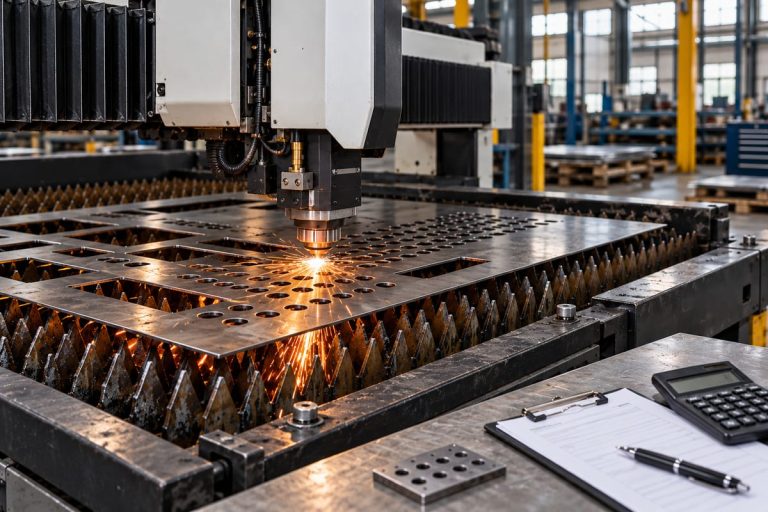
What Is The Cost Of Laser Cutting Machines?
This article explores laser cutting machine price ranges, installation and operating costs, financing, ROI, and the key factors that determine total cost of ownership for buyers.
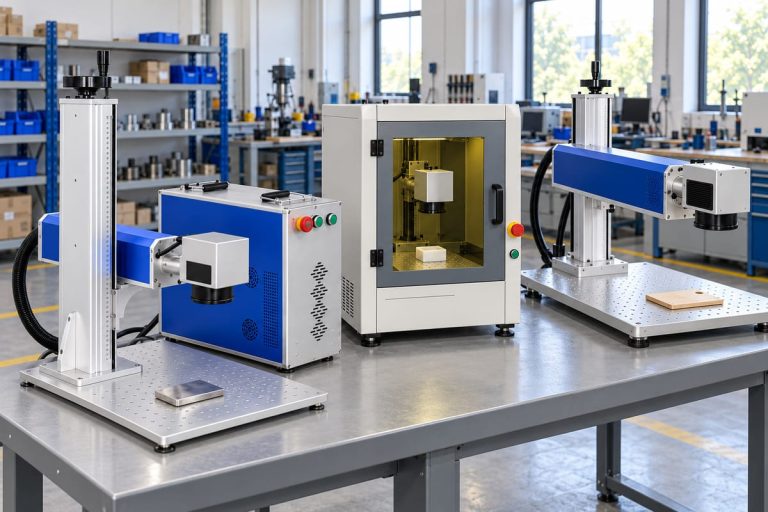
What Are The Different Types Of Laser Marking Machines
This article provides an overview of laser marking machine types, covering fiber, CO2, UV, green, and ultrafast systems, as well as applications, features, selection factors, and practical applications in manufacturing.
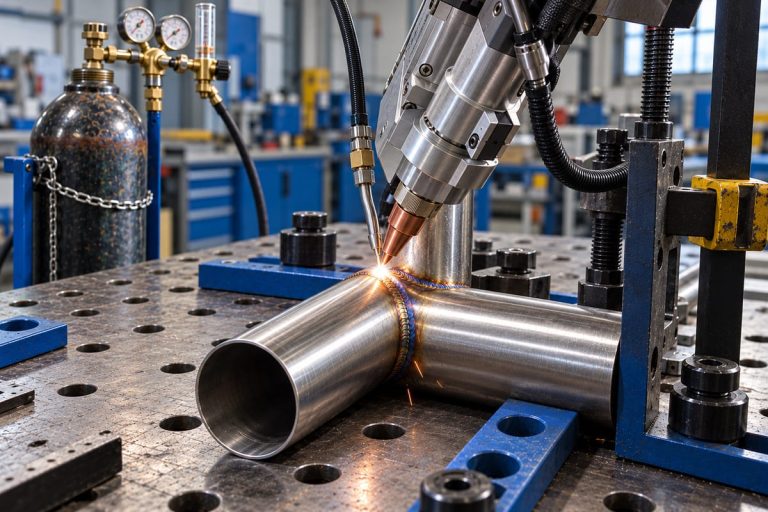
Does Laser Welding Require Assist Gas
This article explores whether laser welding requires assist gas, including its functions, material considerations, process impact, cost tradeoffs, and practical guidance for real-world applications.
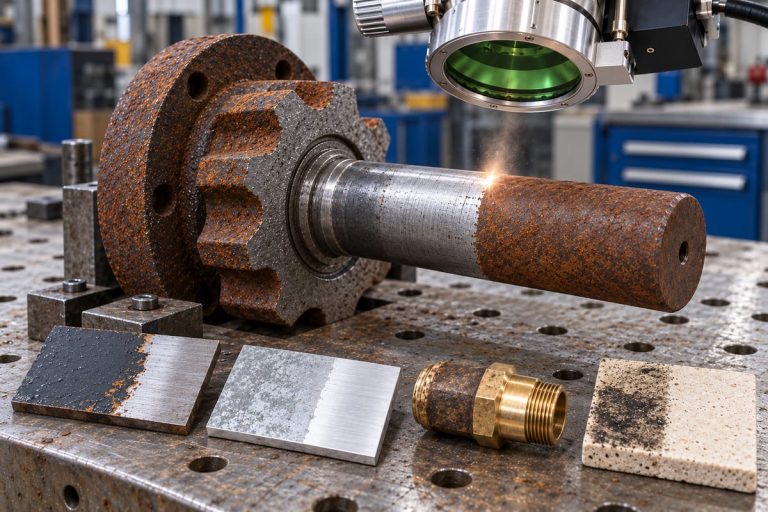
What Types Of Materials And Surfaces Can Lasers Clean
This article explores what materials and surfaces lasers can clean, including metals, coatings, plastics, and delicate substrates. Learn key factors affecting compatibility and performance.
Frequently Asked Questions
What Should I Consider When Comparing Laser Equipment From Different Suppliers?
- Application Suitability: Confirm the machine can process your actual materials, thicknesses, part sizes, and desired finishes. Compare the proposed laser technology, power, working area, and configuration against your regular production tasks.
- Demonstrated Performance: Ask suppliers to process representative samples using agreed acceptance criteria. Compare finished quality, repeatability, and complete job times, including loading and setup. Record test settings so demonstrations can be checked against the quoted configuration.
- Machine Specifications and Construction: Request exact models for the laser source, processing head, controller, cooling system, and motion components where applicable. Assess assembly quality, maintenance access, and inspection records alongside component brands.
- Software and Workflow: Check file compatibility, programming steps, operator controls, automation options, and integration requirements. Confirm software licenses, update policies, and whether operators can save proven settings for repeat jobs.
- Total Ownership Cost: Compare itemized quotations covering equipment, accessories, freight, installation, training, and applicable charges. Estimate electricity, gas, consumables, servicing, software, and replacement parts over the same expected workload.
- Safety and Installation Requirements: Review guarding, interlocks, extraction needs, operating instructions, and applicable compliance documentation. Confirm electrical supply, cooling, compressed air, floor space, and site preparation before agreeing on the installation scope.
- Training and Technical Support: Clarify training content, language, delivery method, and costs. Ask who provides technical assistance, when support is available, how faults are investigated, and whether visits by service technicians can be arranged.
- Warranty and Spare Parts: Obtain written coverage, exclusions, claim procedures, and responsibility for labor and transport. Check replacement component availability, expected delivery times, and support after the warranty expires.
- Supplier Transparency and Delivery: Verify the supplier’s identity, manufacturing role, and stated capabilities. Request relevant references where available, realistic delivery milestones, payment terms, and written acceptance checks before placing an order.
Can Faster Laser Customize Machines For My Application?
- Application and Material Requirements: We review material grades, thicknesses, surface conditions, part sizes, and required results. This helps us recommend a suitable processing approach and identify any application requirements that need testing before equipment selection.
- Laser Technology and Power: Depending on your application, we assess appropriate laser technologies, power levels, and processing capabilities. Recommendations consider the required finish, cycle time, material response, and production volume.
- Working Area and Machine Layout: We can evaluate different working areas, worktable arrangements, and machine layouts around your part dimensions and available floor space. Access for loading, operation, and maintenance also forms part of the review.
- Processing Heads and Fixtures: Where required, we assess suitable processing heads, accessories, and fixtures to position your parts consistently. The proposed configuration considers part geometry, operator access, and compatibility with the selected laser process.
- Automation and Material Handling: For suitable projects, we explore automated loading and unloading, handling arrangements, and integration with other production equipment. We review the expected workflow to identify options that could reduce repetitive handling and support output targets.
- Software and Production Integration: We discuss software requirements, job preparation, and connections with existing systems. Integration options are reviewed against the machine’s capabilities and your production environment, with the agreed functions defined in the proposal.
- Application Testing: Representative samples and drawings can help us evaluate processing quality, speed, and consistency. Trials provide evidence for equipment selection and help identify useful settings, process limitations, or additional checks needed before implementation.
- Installation, Training, and Support: We plan installation and commissioning requirements and discuss operator training, routine maintenance, and technical assistance. Support arrangements are matched to the supplied equipment and confirmed as part of the project scope.
- Proposal and Project Planning: After reviewing the application, we provide a proposed configuration, customization details, pricing, and estimated delivery schedule. This gives you a clear basis for evaluating the equipment and services included.
Can I Test My Materials Before Purchasing Machines?
- Material and Application Review: Share the material name, grade, thickness, surface finish, coatings, and intended process. Drawings, photographs, safety information, and details of your current production method help us understand what needs to be tested. Include available technical or safety data sheets, especially for coated materials.
- Representative Samples: Testing is most useful when samples match your planned production materials, dimensions, and surface conditions. Discuss sample quantity, size, packaging, and delivery arrangements with our team before sending anything.
- Defined Quality Targets: Explain the result you need, including required dimensions, edge finish, weld appearance, cleaning condition, marking readability, or engraving detail. Where relevant, provide an accepted reference sample and measurable quality criteria.
- Suitable Equipment Selection: We review the application and identify an appropriate laser system and configuration for the trial. Material suitability, part geometry, processing requirements, and available safety controls all influence the proposed testing approach.
- Controlled Processing Trials: Relevant settings may include power, speed, focus, pulse parameters, assist gas, or scan pattern, depending on the process. We compare selected settings systematically and record the conditions associated with each sample.
- Quality and Productivity Assessment: We examine the agreed quality features and record useful performance information, such as processing time and consistency across samples. We also note visible effects such as discoloration, residue, or distortion. Any additional tests needed to confirm the application should be agreed separately.
- Results and Recommendations: Test findings help us explain suitable configurations, starting parameters, observed limitations, and possible changes to fixtures or workflow. Discuss which samples, photographs, measurements, and processing records you need when arranging the trial.
- Production Support: Sample results represent the tested conditions. Changes in material batches, part design, machine setup, or operating conditions may require further adjustments. We can help review new requirements and discuss additional trials where needed.
What Information Should I Provide When Requesting Quotations?
- Processing Application: Tell us whether you need laser cutting, welding, cleaning, or marking. Explain what you want to achieve, the problems you are trying to solve, and whether you are replacing equipment or adding a new process.
- Material Specifications: Provide material names, grades, thickness ranges, and surface conditions. Include details of coatings, contaminants, or treatments where relevant, and identify the materials and thicknesses you process most frequently.
- Part Sizes and Design Files: Share drawings, CAD files, photographs, or representative samples. Include maximum workpiece dimensions, sheet sizes, tube profiles, or marking areas, along with any features that could affect loading or processing.
- Quality Requirements: Specify dimensional tolerances, edge finish, weld requirements, cleaning results, or marking readability. Reference samples and acceptance criteria help us understand which results the proposed equipment should deliver.
- Production Targets: Indicate daily output, batch sizes, operating hours, and desired cycle times. Describe material loading, unloading, and other production steps so we can assess capacity and appropriate automation options.
- Preferred Configuration: Mention any required working area, laser power, fixtures, rotary devices, software, or component preferences. If you are unsure, our team can recommend suitable options based on your application.
- Installation Conditions: Provide your available floor space, local voltage, frequency, and relevant utility supplies. Let us know about existing cooling, compressed air, extraction, or access limitations that could affect installation.
- Delivery and Timing: State the destination country, city, postal code, and preferred delivery location. Include your planned purchasing date and required production start date so we can discuss shipping arrangements and a realistic schedule.
- Budget and Service Scope: Share an approximate budget and indicate whether you need installation, operator training, extraction equipment, accessories, or spare parts. Clarify the services and additional costs that should be addressed in the quotation.
- Contact Information: Include your company name, contact person, email address, telephone number, and preferred communication method. Identify the technical contact if another team member will review machine specifications.
Can I Order Replacement Parts Directly From Faster Laser?
- Machine Details: Provide the machine model, serial number, and relevant configuration information. These details help us identify the correct specifications, since machines with similar model names may use different component versions.
- Part Identification: Send the existing part number, a clear photograph of its label, and pictures showing where it is installed. Include the quantity required and explain whether the request is urgent or for planned maintenance.
- Fault Information: If you are unsure which component needs replacement, describe the symptoms, error messages, and checks already completed. Our team can review the information and determine whether further troubleshooting is needed before ordering.
- Compatibility Verification: We check the proposed part against your machine’s requirements. Optical, electrical, motion, and control components may require matching specifications, associated hardware, settings, or calibration, so appearance alone is insufficient for selecting replacements.
- Consumables and Maintenance Parts: Depending on the system, replacement items may include protective lenses, nozzles, filters, sensors, motion components, and cooling system parts. Available options are confirmed for your particular machine and application.
- Pricing and Availability: After identifying the component, we confirm the description, quantity, price, stock status, and expected lead time. Any supply constraints or alternative options can be discussed before you approve the order.
- Shipping and Delivery: Provide your delivery address and preferred timing so we can review suitable shipping options. Packaging depends on the component’s handling needs, and shipment details or tracking information are provided when available.
- Installation and Testing: Relevant instructions or remote guidance can support suitable replacement tasks. Components requiring electrical access, optical alignment, or specialized tools may need a qualified technician, followed by appropriate function and processing checks.
- Spare Parts Planning: We can recommend routinely used consumables to keep available based on your machine, operating hours, and maintenance schedule. This helps your team plan purchases and reduce delays when wear items need replacement.
How Does Faster Laser Inspect Machine Quality Before Shipment?
- Configuration and Component Verification: We review the machine against the agreed specifications, including laser type, power, working area, and selected options. Key components are checked for suitability and consistency with the approved configuration.
- Mechanical Assembly Inspection: Structural parts and assembled mechanisms are examined for build quality, alignment, fastening, and stability. Relevant motion systems are checked to support smooth operation and the accuracy required for the intended application.
- Laser and Optical Testing: Checks cover laser output, focus accuracy, beam delivery, and stability as applicable to the system. Optical alignment and calibration help establish suitable processing conditions for cutting, welding, cleaning, or marking.
- Electrical and Functional Checks: Controls, operating sequences, and installed functions are tested for correct operation. The inspection also considers the interaction between the laser, motion equipment, cooling system, and other relevant supporting components.
- Application Performance Trials: Processing tests assess the results that matter to the machine’s application. These may include dimensional accuracy, cutting quality, weld appearance, cleaning results, marking clarity, processing speed, and consistency across representative samples. Customer drawings, reference samples, and agreed acceptance criteria can be used to make these trials relevant to the intended production task.
- Operating Stability and Endurance: Functional and endurance testing evaluates performance during continued operation under defined conditions. Temperature behavior, processing consistency, and mechanical stability are reviewed to identify issues requiring attention before delivery.
- Safety and Compliance Review: Applicable safety functions and supporting documentation are reviewed for the supplied configuration. Relevant requirements should be agreed for the destination market, with the available compliance documents identified during the purchasing process.
- Inspection Records and Final Approval: Test findings and performance verification form part of the final quality review. Pre-delivery inspection reports provide information about the checks completed, while final approval is required before the machine is released for shipment.
Can Faster Laser Help Existing Factories Expand Their Processing Capabilities?
- Existing Process Assessment: We review current equipment, production volumes, cycle times, quality requirements, and recurring bottlenecks. Understanding where your process falls short helps us identify which changes are most likely to address your priorities.
- Additional Processing Methods: We can discuss adding laser cutting, welding, cleaning, or marking to your factory. This may support new product types, bring selected outsourced work in-house, or introduce another stage into your existing production process.
- New Materials and Part Designs: If you want to process different materials, thicknesses, sizes, or shapes, we can review suitable laser technologies and configurations. Representative samples help establish whether the proposed process can meet your requirements.
- Capacity and Workflow Planning: Expansion involves the complete production sequence, including preparation, loading, processing, unloading, and inspection. We consider these steps when discussing machine capacity, handling arrangements, and options for supporting your expected output.
- Compatible Equipment Upgrades: For existing laser systems, we assess whether changes to software, controls, accessories, motion components, or automation are feasible. Recommendations account for the machine’s configuration, condition, cooling, power supply, and mechanical limits.
- Automation and Integration: Depending on the application, we can explore fixtures, automated loading and unloading, software connections, and integration with surrounding equipment. Proposed functions are reviewed for compatibility and defined in the agreed project scope.
- Application Testing and Validation: Trials on representative parts can assess processing quality, cycle time, and consistency. Agreed acceptance criteria help you evaluate the proposed solution before committing to equipment or an upgrade.
- Installation and Training: We discuss site preparation, utilities, installation timing, commissioning, and operator training. Planned work can be coordinated around production schedules, with the expected downtime and responsibilities explained before implementation.
- Ongoing Support: Technical guidance, maintenance planning, spare parts supply, and performance reviews help your team manage the added capability. As applications change, we can discuss further adjustments or additional equipment where appropriate.
How Can I Balance Machine Capabilities With My Available Budget?
- Define Your Main Applications: Identify the materials, thicknesses, part dimensions, processing methods, and output levels you handle most often. These requirements help establish the minimum machine capabilities needed for reliable daily production.
- Prioritize Essential Features: Separate features required for your current work from optional additions. Focus spending on the laser technology, processing quality, working area, and controls necessary to meet your agreed production requirements.
- Choose Appropriate Power and Capacity: Assess power, working area, and handling capacity against representative jobs. Include expected demand changes, and ask how each proposed configuration affects processing time, quality, and practical production output.
- Calculate the Complete Project Cost: Include shipping, installation, electrical preparation, cooling, extraction, accessories, software, and training. Required safety provisions and supporting utilities should form part of the project budget from the beginning.
- Compare Running Costs: Estimate electricity, gas, consumables, maintenance, replacement parts, and operator time over the same workload. Where possible, compare the estimated cost per acceptable part, including setup, handling, inspection, and additional finishing.
- Validate Performance Through Testing: Ask for trials using your materials and drawings. Check finished quality, repeatability, and complete job times so you can judge whether a proposed machine will meet your actual production needs.
- Assess Automation Benefits: Evaluate loading systems, fixtures, and other automation against your batch sizes and staffing needs. Compare the additional investment with realistic improvements in handling time, consistency, and production capacity.
- Plan Feasible Future Upgrades: Ask which accessories, software functions, or automation options can be added later. Confirm compatibility, installation requirements, and likely additional costs before making future expansion part of your purchasing plan.
- Compare Clear Configuration Options: Request quotations showing essential equipment, optional features, support arrangements, and exclusions. Ask the supplier to explain the performance and cost differences between configurations so you can make informed trade-offs.