
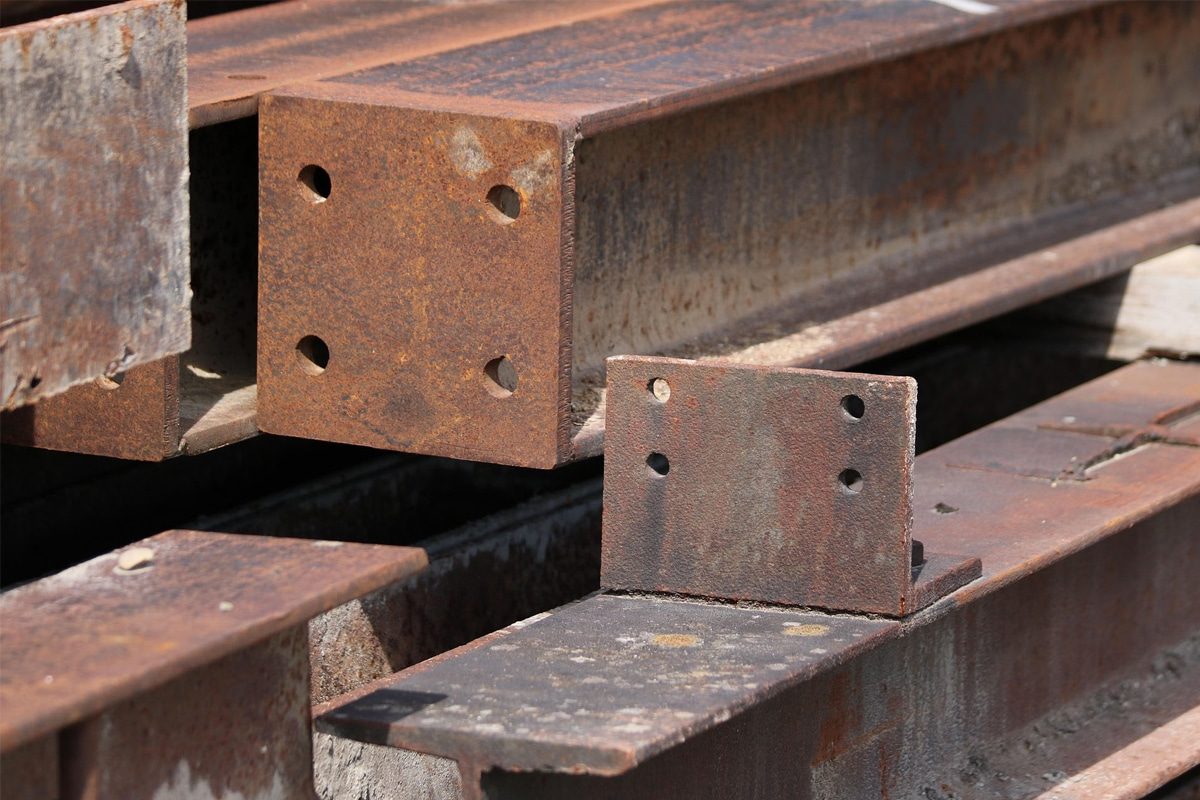
Understanding Rust Formation
What Is Laser Rust Removal?
Working Principle
Laser rust removal works based on three key physical mechanisms: differential absorption, rapid thermal expansion, and micro-ablation.
- Differential Absorption: Rust (iron oxide) absorbs laser energy much more efficiently than clean metal. When the laser beam contacts a rusted surface, the oxide layer heats quickly, while the underlying metal reflects part of the beam. This contrast allows selective removal without cutting or melting the base material.
- Rapid Thermal Expansion and Decomposition: As rust absorbs energy, it rapidly expands, fractures, and vaporizes. Micro-explosions occur at the oxide layer, causing contaminants to detach from the surface.
- Ablation and Plasma Formation: At sufficiently high energy densities, rust particles are converted into plasma and ejected as microscopic debris. This process produces extremely clean surfaces without leaving mechanical abrasion marks.
- Non-Contact Surface Interaction: The laser never physically touches the part. Instead, a focused beam removes corrosion while sensors monitor surface temperature or reflection to prevent overheating.
Types of Lasers Used
Continuous Wave (CW) Lasers
Continuous wave lasers emit a steady, uninterrupted beam. They deliver constant energy and are commonly used for thick rust layers, large-area cleaning, and high-speed industrial processes. Characteristics of CW lasers include:
- Continuous output results in strong heating and rapid oxide decomposition.
- High power levels (usually 1,000–3,000W) allow fast material removal.
- Best when surface roughness or fine texture preservation is not critical.
- Suitable for heavy steel structures, ship hulls, pipelines, and heavy corrosion.
Pulsed Lasers
Pulsed lasers emit energy in very short bursts—from nanoseconds to femtoseconds. They remove contaminants through explosive micro-ablation rather than continuous heating. Characteristics of pulsed lasers include:
- Extremely short pulses create high peak energy without overheating base metals.
- Ideal for precision cleaning, delicate metals, and thin components.
- Greatly reduces the risk of warping or substrate melting.
- Common in mold cleaning, aerospace maintenance, and restoration work.
Laser Equipment Components
A complete laser rust removal system typically includes the following key components:
- Laser Source: The heart of the machine. Fiber lasers (Raycus, MAX, IPG) are most common due to high beam quality, long lifespan, and efficiency. Power ranges from 100W to 6,000W, depending on the application.
- Optical Fiber Cable: Transmits the laser beam from the source to the cleaning head. High-durability fiber ensures stable energy delivery and flexibility during handheld operation.
- Laser Cleaning Head: A precision-engineered handheld or robotic head containing lenses, mirrors, sensors, and a galvanometer system. It shapes, focuses, and scans the laser beam across the surface.
- Control System: An interface for adjusting beam parameters—power, frequency, pulse width, scanning width, and cleaning modes. Advanced systems include presets for different materials.
- Cooling System: Typically, a water chiller or air-cooling unit that maintains safe operating temperatures for the laser source and optics, ensuring stability during long production runs.
- Smoke Extraction System: Removes vaporized oxides, dust, and micro-particles from the cleaning area to protect operators and keep work zones clean.
- Power Supply and Safety Interlocks: Provides stable electrical power and ensures safe operation through emergency stops, shutter protections, key switches, and beam-shielding controls.
Main Characteristics of Laser Rust Removal
Laser rust removal is defined by several distinctive properties:
- Highly Selective Cleaning: The laser targets corrosion without affecting base materials, allowing micron-level precision.
- Minimal Heat-Affected Zone: Especially with pulsed lasers, thermal impact is extremely low, preventing surface warping or microstructural changes.
- Non-Contact Operation: The beam never scrapes or grinds the surface, eliminating mechanical stress.
- Consistent and Repeatable Results: Beam parameters can be digitally programmed for uniform cleaning quality, even across complex geometries.
- Environmentally Friendly: No chemicals, acids, solvents, or abrasives are required. Only rust dust is produced.
- Compatible with Automation: Laser cleaning can be integrated with robotic arms, conveyors, or CNC systems for high-volume production.
- Flexible Cleaning Patterns: Operators can adjust scanning widths, overlap rates, and focus distances to adapt to different rust depths and surface materials.
Advantages
Laser rust removal offers multiple benefits that exceed conventional cleaning methods:
- Preserves Substrate Integrity: No abrasion, no mechanical pressure, and no consumption of the base metal.
- High Precision and Control: Suitable for thin sheets, precision components, small parts, and high-value molds.
- Eco-Friendly: No toxic waste, no chemical disposal, and minimal consumables.
- Low Operating Costs: No abrasive media, no solvents, and minimal maintenance. Laser sources often last 80,000–100,000 hours.
- Stable Cleaning Results: Digital control ensures consistent cleaning quality across different operators and shifts.
- Suitable for Hard-to-Reach Areas: The focused beam can clean corners, grooves, weld seams, and detailed textures.
- Reduced Noise and Vibration: Unlike sandblasting or grinding, the process is quiet and smooth.
- Compatible with Multi-Material Surfaces: Works on steel, stainless steel, aluminum, copper, titanium, and even composite surfaces, depending on settings.
Disadvantages
Despite its strengths, laser rust removal has some limitations:
- Higher Initial Equipment Cost: Laser machines are significantly more expensive than sandblasting or chemical rust removers.
- Limited Effectiveness on Deep Pitting Corrosion: While rust can be removed, deep holes caused by corrosion cannot be restored.
- Speed Limitations for Extremely Large Areas: For ship hulls, bridges, or large steel plates, sandblasting may still be faster.
- Operator Training Required: Technicians must understand power settings, scanning parameters, and safety protocols.
- Potential Reflective Hazards: Highly reflective metals (e.g., aluminum) require careful parameter control to avoid beam back-reflection.
- Ventilation Needed: Laser cleaning produces metal vapor and dust that must be extracted to maintain safe air quality.
Applications
Laser rust removal is used in a broad range of industrial and commercial fields:
- Automotive Industry: Rust removal on car bodies, frames, weld joints, and engine components; ideal for restoration and manufacturing.
- Aerospace and Aviation: Cleaning of high-precision parts, turbine components, landing gear, and de-coating sensitive alloys.
- Mold Maintenance: Removal of rust and residue from injection molds, rubber molds, tire molds, and precision stamping molds without altering dimensions.
- Manufacturing and Fabrication: Pre-welding surface preparation, oxide removal, paint stripping, and laser pre-treatment before coating.
- Shipbuilding and Marine Engineering: Cleaning corroded steel structures, pipes, valves, and large equipment surfaces.
- Cultural Heritage Protection: Gentle removal of oxidation from sculptures, monuments, or historical artifacts where abrasive methods are not allowed.
- Oil, Gas, and Power Plant Maintenance: De-rusting pipelines, valves, flanges, heat-exchanger plates, and steel infrastructure.
What Is Electrolytic Rust Removal?
Working Principle
Electrolytic rust removal operates on the principle of electrochemical reduction, where electrical energy is used to convert rust (iron oxide) back into elemental iron while detaching corrosion products.
- Electrochemical Setup: The rusted metal is connected to the negative terminal of a DC power supply, making it the cathode. A sacrificial metal (commonly steel) is connected to the positive terminal, serving as the anode.
- Formation of an Electrolytic Cell: Both the cathode and anode are submerged in an alkaline electrolyte solution. When current flows through the solution, ions begin to move: positively charged metal ions migrate toward the cathode, while negatively charged ions move toward the anode.
- Reduction of Iron Oxide: Rust (iron oxide) on the cathode surface undergoes reduction. The electrical energy breaks the chemical bonds of the iron oxides, converting some back to iron and loosening the remaining corrosion:
- Ferric oxide (Fe₂O₃) reduces to ferrous oxide (FeO).
- Further reduction converts FeO into metallic iron.
- Loose, softened rust detaches and floats or settles as residue.
- Anode Oxidation: At the anode, oxidation occurs. The sacrificial metal corrodes instead of the workpiece, protecting the cathode throughout the process.
- Hydrogen Gas Release: Small hydrogen bubbles form on the surface of the rusted object. These bubbles help lift rust flakes, paint residues, or contaminants, further improving cleaning efficiency.
Equipment Requirements
Electrolytic rust removal requires several essential components to operate safely and effectively:
- DC Power Supply: A variable DC source (battery charger, bench power supply) capable of delivering a steady current. Adjustable current is important, as different metal sizes require different amperage levels.
- Electrolyte Solution: Typically, water is mixed with a mild alkaline, washing soda (sodium carbonate), baking soda (sodium bicarbonate), or specialized electrolysis salts. The solution must be conductive but not acidic, as acids may dissolve base metal.
- Non-Conductive Container: A plastic tank, bucket, or tub large enough to fully submerge the workpiece.
- Sacrificial Anode: Mild steel plates, rods, or rebar pieces are commonly used. Stainless steel should be avoided due to toxic hexavalent chromium formation.
- Wiring and Connectors: Stable clamps and insulated cables for connecting the cathode and anode.
- Ventilation System: Although electrolytic cleaning produces minimal fumes, hydrogen gas is released and must be safely dispersed.
- Brushes and Rinsing Tools: After cleaning, soft brushes or water jets are used to remove loosened rust residues.
- Safety Equipment: Gloves, eye protection, and insulated tools are recommended to prevent accidental shock or chemical contact.
Main Characteristics
Electrolytic rust removal has distinct technical and operational characteristics:
- Gentle Rust Removal Mechanism: The process stops corrosion without grinding or removing the base metal, making it ideal for fragile or historically significant items.
- Slow, Controlled Cleaning: Electrolysis works gradually; cleaning time depends on rust depth, current strength, and electrolyte concentration.
- Submersion-Based Process: Entire parts must be immersed, so it is most effective for components that can fit within a tank.
- Non-Abrasive and Surface-Safe: No mechanical abrasion or steel loss occurs. Threaded parts, engraved surfaces, and intricate geometries remain intact.
- Variable Cleaning Depth: Electrolysis can handle heavy scale and deep rust, though extended treatment may be needed for large or severely corroded parts.
- Produces Sludge Residue: Rust converts into soft black sludge that must be rinsed off after treatment.
- Requires Constant Electrical Flow: The process relies on a stable current; interruptions reduce effectiveness.
Advantages
Electrolytic rust removal offers several benefits, especially for restoration and maintenance work:
- Preserves Material Integrity: Unlike sanding or grinding, electrolysis does not remove base metal, protecting dimensional accuracy and structural strength.
- Excellent for Intricate or Irregular Shapes: Electrolyte reaches recesses, threads, holes, and tight geometries that mechanical tools cannot clean.
- Low Cost and Simple Setup: Equipment can be assembled using basic household or workshop tools.
- Effective for Heavy Rust: Deep oxidation and layered corrosion can be softened and removed with extended treatment.
- Chemical-Free and Environmentally Safer: Uses mild alkaline solutions instead of aggressive acids or solvents.
- Ideal for Restoration Work: Highly valued by antique restorers, museums, hobbyists, and maintenance technicians.
- Removes Grease, Paint, and Dirt: Electrolysis can loosen non-metallic contaminants without damaging the metal surface.
Disadvantages
Electrolytic rust removal also presents several limitations:
- Slow Process: Cleaning can take several hours or even days, depending on rust severity and the current level.
- Size Limitations: Parts must fit inside a container; large components such as doors, beams, or machinery cannot be processed easily.
- Safety Concerns: Hydrogen gas is generated and requires proper ventilation. Poor wiring or unattended setups pose electrical risks.
- Requires Post-Cleaning Treatment: After electrolysis, metal surfaces are extremely reactive and must be quickly dried, oiled, or coated to prevent flash rust.
- Cannot Restore Metal Loss: Deep pits created by severe corrosion remain even after rust is removed.
- Messy Residue: Electrolysis leaves a black sludge that must be rinsed and properly disposed of.
- Non-Industrial Speed: Electrolysis is not suitable for high-volume or automated production environments.
Applications
Electrolytic rust removal is primarily used in restoration, repair, and small-scale maintenance:
- Vintage Tool Restoration: Cleaning of old hammers, wrenches, chisels, pliers, hand planes, and precision tools.
- Automotive Restoration: De-rusting brackets, bolts, brake parts, carburetor components, pistons, and engine parts.
- Machine Component Refurbishment: Cleaning of gears, bearings, bushings, clamps, and mechanical assemblies.
- Firearm and Weapon Restoration: Removing oxidation without damaging rifling, engravings, or serial numbers.
- Antique and Heritage Conservation: Museums and collectors use electrolysis on iron artifacts, archaeological finds, and historical items.
- Hobbyist and Workshop Use: DIY restoration projects where cost reduction and safe handling are priorities.
Comparison of Laser Rust Removal and Electrolytic Rust Removal
Mechanism and Scientific Principles
Put simply:
- Laser cleaning uses thermal energy to remove rust.
- Electrolysis uses electrical energy to reverse oxidation.
Surface Effects and Precision
Cleaning Speed
Material Compatibility
Portability and On-Site Operation
Electrolysis requires a stationary tank or bath. This means:
- The object must fit inside the container.
- Large structures, beams, pipelines, ship parts, or machinery cannot be cleaned without disassembly.
- On-site cleaning is nearly impossible unless a large mobile tank is transported, which is rarely practical.
Environmental Impact
Both methods can be environmentally safe, but:
- Laser cleaning produces virtually zero waste.
- Electrolysis requires chemical disposal and gas management.
Maintenance Requirements
Electrolysis requires frequent maintenance:
- Electrolytes must be replaced periodically.
- Sacrificial anodes dissolve over time and must be replaced.
- Sludge must be removed from the tank.
- Tanks must be cleaned and inspected.
- Electrical connections must be checked for safety.
Safety
Cost Structure
Comparison of Practical Application Scenarios
Automotive Industry
Manufacturing Plants
Construction and Infrastructure
Aerospace and Precision Engineering
Maritime and Offshore
Surface Quality and Post-Treatment Analysis
Final Surface Appearance
Laser Rust Removal
On flat steel, aluminum, or stainless steel panels, the cleaned areas typically show:
- A bright, metallic, reflective surface
- Minimal roughness changes
- Clearly defined boundary lines where rust is removed
- Consistent coloration and micro-sheen
Electrolytic Rust Removal
Typical post-electrolysis appearance includes:
- A dark grey or blackened finish
- Slight dullness or patchiness, depending on rust thickness
- Visible pitting if deep corrosion existed
- A slightly rough or etched texture caused by uneven oxide reduction
Residues and Contaminants
Laser Rust Removal
Laser cleaning leaves minimal residue. Because the laser vaporizes or ejects rust particulates, the majority of byproducts become airborne dust that can be captured by an extraction system. After cleaning, the surface is almost completely free of:
- Loose rust particles
- Oils
- Dirt
- Paint flakes
- Chemical contaminants
Electrolytic Rust Removal
Electrolysis produces more substantial residues because rust is chemically converted into a soft sludge. After cleaning, the surface usually retains:
- Black iron oxide film (magnetite/Fe₃O₄)
- Electrolyte residue (sodium carbonate or similar)
- Hydrogen bubble marks or streaks
- Sludge deposits in crevices, threads, or recesses
Microstructure Effects
Laser Rust Removal
Laser cleaning alters the surface at the microstructural level, depending on laser type, energy density, and exposure duration:
- Pulsed lasers produce minimal thermal diffusion, causing negligible microstructural change. Grain boundaries, hardness levels, and metallurgical properties remain nearly identical to untreated metal. This makes pulsed laser cleaning suitable for high-value aerospace or precision components.
- CW lasers, however, create more sustained heating. While not enough to melt thick metal substrates, localized micro-melting may occur on the very top layer of softer metals or thin sheets. This results in:
- Slight refinement or smoothing of micro-peaks
- Minor changes in reflectivity
- Possible surface hardening in isolated zones
Electrolytic Rust Removal
Key microstructural effects include:
- No Thermal Modification: No grain growth or transformation occurs because the surface never experiences elevated temperatures.
- No Surface Hardening or Softening: Mechanical properties remain unchanged.
- Potential Exposure of Existing Corrosion Pits: Deep rust cavities remain visible and may even appear more pronounced once the loose oxide is removed.
- No Removal of Base Metal: Electrolysis is one of the few rust-removal methods that does not consume or erode the substrate.
Cost Analysis and Return on Investment
Initial Cost
Laser Rust Removal
Initial costs include:
- The laser source (pulsed or continuous-wave fiber laser)
- Laser cleaning head, optics, and protective windows
- Cooling system (air- or water-cooled)
- Control system and software
- Safety equipment such as goggles, shielding curtains, and fume extraction
- Optional robotic or automated integration
Electrolytic Rust Removal
Electrolysis requires only simple and inexpensive equipment:
- A DC power supply or battery charger
- A non-conductive tank or container
- Washing soda or a mild alkaline electrolyte
- Sacrificial steel anodes
- Basic wiring and clamps
Long-Term Cost
Laser Rust Removal
Long-term operating costs primarily include:
- Electricity consumption
- Occasional replacement of protective lens windows
- Routine cleaning of optics
- Maintenance of cooling units
Electrolytic Rust Removal
Electrolysis is inexpensive to set up but incurs continuous operational costs:
- Electrolyte replenishment
- Replacement of sacrificial anodes
- Tank cleaning and sludge disposal
- Electricity usage over long treatment times
- Manual labor for brushing and post-cleaning
- Space and water consumption
Productivity
Laser Rust Removal
Laser cleaning is engineered for speed, repeatability, and industrial throughput. A skilled operator can clean multiple square meters of rust in minutes. Automated laser rust removal systems integrate with conveyors, robots, and CNC gantries to support high-volume operations. Productivity gains include:
- Rapid cycle times
- No drying, rinsing, or neutralization steps
- Minimal operator handling
- Immediate readiness for downstream processes
- Consistent performance across multiple shifts
Electrolytic Rust Removal
Electrolysis operates much more slowly. Rust must be chemically reduced, loosened, and lifted over time. Depending on corrosion depth and part size, cleaning cycles may last hours or days. In addition:
- Parts must be monitored periodically
- Post-treatment brushing is required
- Parts must dry quickly to avoid flash rust
- Only ferrous materials can be processed
Return on Investment (ROI)
Laser Rust Removal
Laser rust removal systems often deliver a strong ROI for industries that use them frequently. Even though the upfront cost is significant, the following factors drive long-term savings:
- Drastic reduction in labor time
- No consumables, chemicals, or media expenses
- Improved throughput and fewer bottlenecks
- Superior cleaning precision, reducing rework
- Reduced environmental management and disposal fees
- Extended equipment lifespan and low maintenance
- Long-term operational stability
Electrolytic Rust Removal
Electrolysis is financially attractive only when:
- Cleaning volumes are low
- Time sensitivity is not critical
- Preservation outweighs speed
- Parts fit in immersion tanks
Environmental and Safety Considerations
Environmental Friendliness
Laser Rust Removal
Key environmental advantages include:
- No chemical solvents that require disposal or neutralization
- No abrasive media, eliminating waste streams such as sand, grit, or blasting residues
- Minimal particulate matter, easily controlled with dust extraction
- No water contamination or wastewater management requirements
- Reduced carbon footprint due to high cleaning efficiency and long equipment lifespan
Electrolytic Rust Removal
Electrolysis is more environmentally benign than acid-based chemical rust removers, but it is not waste-free. The electrolyte solution—typically washing soda or sodium carbonate—is relatively safe and non-toxic. However, the process generates:
- Sludge composed of iron oxide particles and anode debris
- Contaminated electrolyte that must be replaced periodically
- Residual alkaline film left on surfaces that must be rinsed away
- Water usage for rinsing and neutralizing cleaned components
Exposure Risks
Laser Rust Removal
Major exposure concerns include:
- Eye injuries from direct or reflected laser radiation
- Skin burns from high-energy beams
- Inhalation risks from fine particulate matter produced during cleaning
- Potential smoke or microfume exposure, especially when cleaning paints or coatings
Electrolytic Rust Removal
Key risks include:
- Hydrogen gas production, which is flammable and potentially explosive in unventilated spaces
- Electrical shock if wires, clamps, or power supplies are handled carelessly
- Chemical irritation from alkaline electrolytes, which can cause skin or eye discomfort
- Sludge contact, which may contain metal particles and alkaline residues
- Water–electricity proximity, especially dangerous in improvised setups
Regulatory Factors
Laser Rust Removal
Laser cleaning is subject to laser safety regulations, most commonly classified under:
- IEC 60825 / ISO 11553 international laser safety standards
- OSHA laser safety guidelines (in applicable regions)
- Local occupational health and safety regulations regarding laser equipment
- Air quality regulations for fume extraction systems
Laser cleaning generally helps businesses meet:
- ISO 14001 environmental management standards
- Environmental impact reduction goals
- Clean-production or low-emission manufacturing initiatives
Electrolytic Rust Removal
Electrolysis uses mild chemicals, but its waste products may fall under:
- Local wastewater disposal regulations
- Restrictions on the disposal of metal-containing sludge
- EPA, EU, or national regulations on water contamination
- Hazardous waste classification, depending on electrolyte composition
Additionally, hydrogen emissions may require compliance with:
- Ventilation standards
- Fire safety codes
- Explosion-prevention regulations in enclosed workshop environments
Choosing Between Laser Rust Removal and Electrolytic Rust Removal
Conditions for Choosing Laser Rust Removal
When High Productivity and Fast Turnaround Are Required
Laser rust removal systems clean rust in seconds or minutes and can process hundreds of parts per shift. This is essential for:
- Automotive repair and manufacturing
- Shipbuilding and offshore maintenance
- Aerospace component preparation
- Steel fabrication plants
When On-Site or Large-Scale Structures Must Be Cleaned
Choose laser cleaning when you must treat:
- Bridges, beams, towers, rail systems
- Heavy machinery and equipment
- Large steel plates or structures
- Surface areas that exceed container size limits
When Excellent Surface Quality Is Required Immediately After Cleaning
Laser-cleaned surfaces are bright, clean, and ready for:
- Welding
- Painting and coating
- Powder coating
- Adhesive bonding
- Precision machining
When Working With Multiple Metal Types
Laser rust removal systems safely clean:
- Steel
- Aluminum
- Stainless steel
- Titanium
- Copper alloys
When Environmental Regulations Are Strict
Laser cleaning produces almost no waste. This makes it ideal for facilities seeking:
- Low environmental impact
- Compliance with ISO 14001
- Reduction of chemical disposal costs
- Safer, greener production processes
When Long-Term Cost Efficiency Is Important
Although the initial investment is high, laser rust removal systems offer:
- Minimal consumables
- Low maintenance
- High equipment lifespan
- Low cost per part in high-volume operations
Conditions for Choosing Electrolytic Rust Removal
When Working With Delicate, Precision, or Historical Items
Electrolysis removes rust without abrasion, deformation, or thermal stress. This makes it ideal for:
- Antique tools
- Museum artifacts
- Firearm components
- Precision-threaded parts
- Sculptures and historical ironwork
When Surface Hardness and Microstructure Must Not Be Altered
Because electrolysis operates at room temperature and does not affect material grain structure, it is preferred for:
- Hardened steel tools
- Components requiring tight tolerances
- Parts sensitive to heat or mechanical influence
When Budget Constraints Favor Low Upfront Costs
Electrolysis is attractive for small workshops, hobbyists, and restorers due to minimal equipment requirements:
- A tank
- Washing soda
- Power supply
- Sacrificial anode
When Rust Is Deep, Thick, or Heavily Pitted
Electrolysis performs exceptionally well on:
- Deep corrosion pockets
- Irregular geometries
- Internal cavities and threads
- Intricate mechanical assemblies
When Parts Can Be Fully Immersed in a Controlled Environment
Electrolysis requires immersion, so it is ideal for:
- Small to moderate-sized components
- Workshop environments with tank setups
- Repeatable, controlled cleaning processes
In essence:
- Laser rust removal is the optimal solution for industrial efficiency and large-scale operations.
- Electrolytic rust removal is ideal for gentle, low-cost, small-scale restoration and preservation.
Summary
Get Laser Rust Removal Solutions
Drawing upon years of deep expertise in industrial laser cutting, welding, marking, and cleaning, this article presents information based on practical experience and the latest industry insights. By providing clear and technically sound guidance, it helps readers select the right machines, understand process trade-offs, and optimize workflows.
My goal is to help engineers, shop floor managers, and production decision-makers make informed choices that perfectly combine innovation, quality, and operational efficiency.
Drawing upon years of deep expertise in industrial laser cutting, welding, marking, and cleaning, this article presents information based on practical experience and the latest industry insights. By providing clear and technically sound guidance, it helps readers select the right machines, understand process trade-offs, and optimize workflows.
My goal is to help engineers, shop floor managers, and production decision-makers make informed choices that perfectly combine innovation, quality, and operational efficiency.