
Product Introduction
Types of Sheet Laser Cutting Machines
-

FL-C Laser Cutting Machine
Rated 4.88 out of 5$22,360.00 – $94,900.00Price range: $22,360.00 through $94,900.00 Select options This product has multiple variants. The options may be chosen on the product page -
FL Laser Cutting Machine
Rated 4.88 out of 5$24,050.00 – $215,150.00Price range: $24,050.00 through $215,150.00 Select options This product has multiple variants. The options may be chosen on the product page -
FE Laser Cutting Machine
Rated 4.75 out of 5$29,900.00 – $228,150.00Price range: $29,900.00 through $228,150.00 Select options This product has multiple variants. The options may be chosen on the product page -
FB Laser Cutting Machine
Rated 4.75 out of 5$29,250.00 – $226,850.00Price range: $29,250.00 through $226,850.00 Select options This product has multiple variants. The options may be chosen on the product page -
FP Laser Cutting Machine
Rated 4.50 out of 5$35,750.00 – $240,500.00Price range: $35,750.00 through $240,500.00 Select options This product has multiple variants. The options may be chosen on the product page -
FH Laser Cutting Machine
Rated 4.75 out of 5$41,600.00 – $254,800.00Price range: $41,600.00 through $254,800.00 Select options This product has multiple variants. The options may be chosen on the product page -
FH-A Laser Cutting Machine
Rated 4.63 out of 5$100,100.00 – $313,300.00Price range: $100,100.00 through $313,300.00 Select options This product has multiple variants. The options may be chosen on the product page
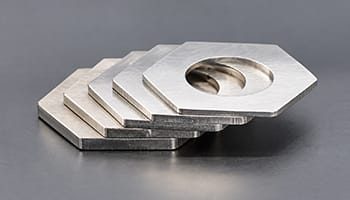
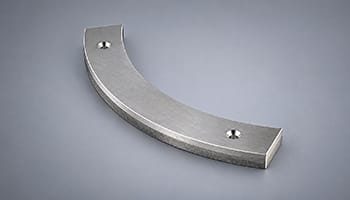
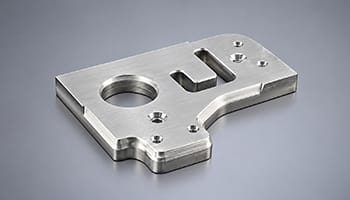
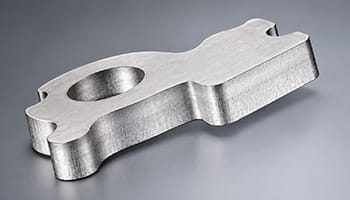
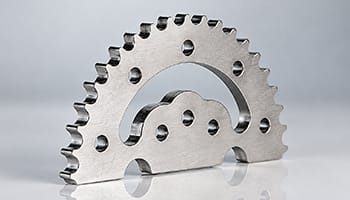
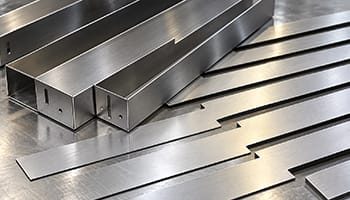
Application of Sheet Laser Cutting Machines


Why Choose Us
Cutting-Edge Technology
Every Faster Laser machine is built with the latest advancements, ensuring precise cuts, faster operation speeds, and the ability to handle complex designs effortlessly.
Superior Build Quality
We use only premium-grade materials and components, ensuring that every machine delivers consistent performance and maintains durability under heavy use.
Customized Solutions
Our team works closely with each customer to develop tailored laser cutting solutions that meet specific production needs and business objectives.
Comprehensive Support
Faster Laser provides thorough training, responsive technical support, and ongoing maintenance services to keep your machines running at peak efficiency.
Cost-Effective Investment
We offer high-quality laser cutting machines at competitive prices, ensuring you get maximum performance and long-term value from your investment.
Proven Industry Experience
With years of expertise and a strong global client base, Faster Laser has built a reputation for reliability, innovation, and customer satisfaction.
Sheet Laser Cutting Machines VS Other Cutting Machines
| Comparison Item | Sheet Laser Cutting Machine | Plasma Cutting Machine | Waterjet Cutting Machine | Flame Cutting Machine |
|---|---|---|---|---|
| Cutting Method | Fiber laser beam | Ionized gas arc | High-pressure water with abrasive | Oxy-fuel combustion |
| Suitable Materials | Stainless steel, carbon steel, aluminum, brass | Conductive metals | Almost all materials | Thick carbon steel |
| Cutting Precision | Very high | Moderate | High | Low |
| Edge Quality | Clean, burr-free | Rough, needs finishing | Smooth and clean | Rough and oxidized |
| Cutting Speed | Fast | Fast | Slow to moderate | Slow |
| Heat Affected Zone (HAZ) | Minimal | Medium | None | Large |
| Material Thickness Range | Thin to medium | Medium to thick | Wide (including very thick) | Thick only |
| Ability to Cut Intricate Designs | Excellent | Limited by torch size | Excellent | Poor |
| Operating Cost | Low | Moderate | High (abrasives, water) | Low |
| Maintenance Requirements | Low | Moderate | High | Low |
| Environmental Impact | Low | Fumes and noise | Water and abrasive waste | High emissions |
| Tool Wear | Minimal (non-contact cutting) | Moderate (consumables) | High (nozzles, garnet) | Low |
| Automation Capability | Excellent (CNC, nesting) | Good | Limited | Poor |
| Initial Equipment Cost | Moderate to high | Low to moderate | Very high | Low |
| Common Industry Use | Precision metal fabrication | General metal cutting | Aerospace, stone, custom jobs | Heavy steel structure, shipbuilding |
Customer Testimonials
Related Resources
What Is The Cost Of Laser Cutting Machines?
This article explores laser cutting machine price ranges, installation and operating costs, financing, ROI, and the key factors that determine total cost of ownership for buyers.
What Should You Consider Before Buying Laser Cutting Machines
This article is a comprehensive guide on what to consider before buying laser cutting machines, covering production requirements, laser technology, machine configuration, operating costs, vendor support, and testing.
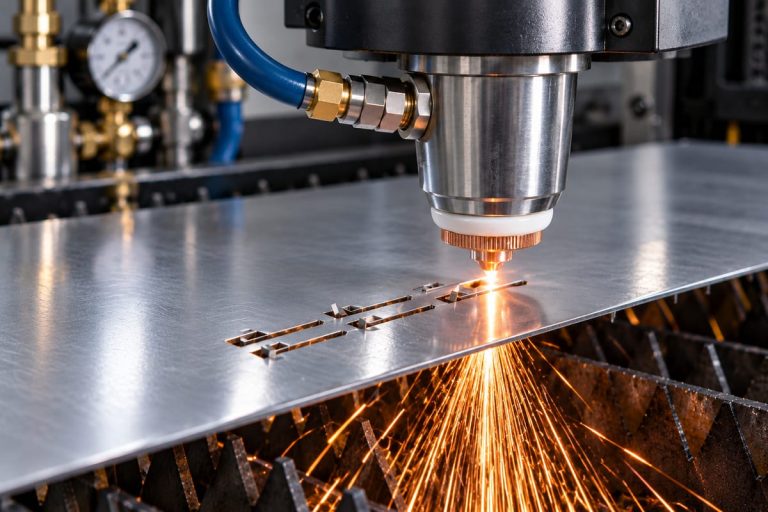
Does Laser Cutting Require Assist Gases
This article explains whether assist gas is required for laser cutting, covering how it works, when it’s necessary, gas types, quality impact, costs, safety factors, and practical decision guidance.
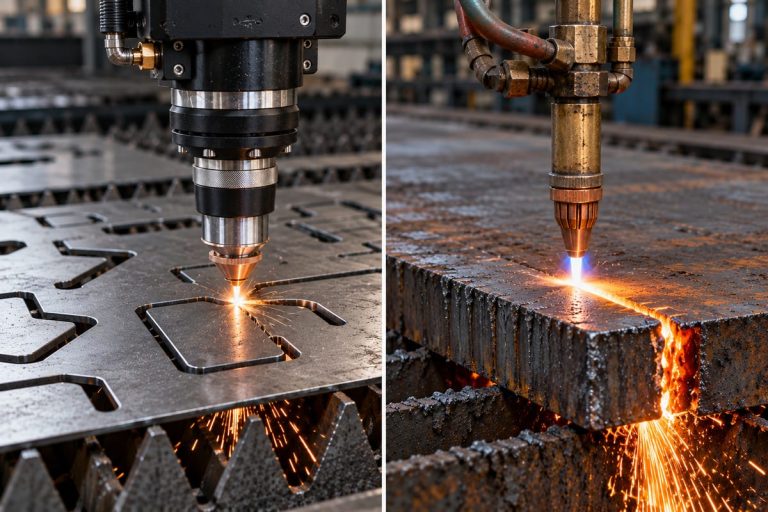
Laser Cutting VS Flame Cutting
This article compares laser cutting and flame cutting, exploring their differences in precision, material versatility, speed, cost, and applications to help industries choose the right cutting method.
Frequently Asked Questions
What Are Sheet Laser Cutting Machines?
- Working Principle: The laser source generates a beam within a specially doped optical fiber and delivers it to the cutting head through a transport fiber. Focusing optics concentrate the beam onto the metal, where heat melts the material. Assist gas expels molten metal from the narrow cut.
- Main Components: The typical system includes a fiber laser source, cutting head, CNC controller, machine bed, gantry, servo drives, cooling system, gas supply, and fume extraction. These components work together to control beam delivery, cutting position, temperature, and the removal of molten material and airborne emissions.
- Suitable Metals: These machines commonly process carbon steel, stainless steel, aluminum, galvanized steel, brass, and copper. Material compatibility depends on the source, cutting head, and system design. Highly reflective metals require equipment approved for those applications, with appropriate protection against damaging back reflections.
- CNC Control and Programming: Operators prepare part drawings using CAD software and generate cutting paths through CAM software. Nesting arranges multiple parts on a sheet to improve material use. The controller coordinates movement, laser output, piercing, and cutting sequences according to the selected program and processing parameters.
- Cutting Capabilities: These machines produce straight lines, curves, slots, holes, and complex profiles without a solid cutting tool contacting the sheet. Cut quality and achievable feature size depend on material thickness, beam focus, gas conditions, and motion control. Some parts still require deburring or edge cleaning.
- Configurations and Automation: Machines come with different table sizes, laser powers, and loading arrangements. Models may feature a single table or exchange tables. Optional automation can load sheets, unload finished parts, sort components, and connect the cutting system to material storage, helping maintain production flow.
- Industrial Applications: Sheet laser cutting supports the production of electrical cabinets, machinery guards, automotive parts, kitchen equipment, construction panels, signs, and general metal components. Its programmable workflow accommodates prototypes, customized orders, and repeated production batches. Cut parts often move onward to bending, welding, finishing, or assembly.
- Performance and Operating Requirements: Cutting speed, maximum thickness, and accuracy vary with laser power, material grade, machine construction, and process settings. Reliable results require suitable utilities, effective extraction, trained operators, and routine maintenance of optics, nozzles, cooling equipment, and motion components. Specifications should be checked for the intended material.
What Is The Disadvantage of Sheet Laser Cutting Machines?
- High Initial Investment: Purchasing the machine involves more than the laser cutting machine itself. Installation, cooling equipment, extraction, gas supply, software, and operator training add to the total investment. Higher-power configurations and automated material handling can increase capital requirements further, making low machine utilization a financial concern.
- Ongoing Operating Costs: Electricity, assist gas, replacement nozzles, protective windows, filters, and maintenance contribute to production expenses. High-pressure nitrogen cutting can generate substantial gas costs. Compressed-air cutting also requires suitable compression, drying, and filtration equipment, so its running costs must be evaluated alongside the required edge quality.
- Material and Thickness Constraints: Standard sheet metal fiber laser cutting systems are designed primarily for metals. Their table dimensions, laser power, and processing capability limit sheet size and usable thickness. Cutting near the machine’s thickness limit can increase piercing time, reduce cutting speed, and make consistent edge quality harder to maintain.
- Thermal Effects and Additional Finishing: Laser cutting introduces heat, which can cause localized material changes, discoloration, or distortion, particularly around thin sections and closely spaced features. Dross, burrs, and oxidized edges may require cleaning or deburring before finishing or assembly. Results depend on the material, assist gas, and cutting parameters.
- Reflective Metal Processing Challenges: Copper, brass, and polished aluminum can be demanding because of their reflectivity and thermal conductivity. They require suitable equipment and validated settings. Back reflections can threaten inadequately protected components, so cutting capability must be confirmed for the specific machine configuration, material, and thickness.
- Sensitivity to Contamination and Wear: Dust, oil, scale, and poor sheet flatness can interfere with processing. Contaminated protective windows, worn nozzles, or unstable cooling can cause defective cuts and downtime. Major cutting-head, motion-system, or laser-source repairs can also be expensive and may require specialist service.
- Setup and Training Requirements: Reliable production requires correct nesting, cutting sequences, focus, speed, assist gas, and piercing settings. Operators need training to manage tipped parts, collision risks, and cutting defects. New materials or complex designs may require sample trials and parameter development before stable batch production is achieved.
- Safety and Facility Requirements: High-power fiber lasers require appropriate guarding, interlocks, fume extraction, and controlled operating procedures. Electrical supply, gas infrastructure, cooling, and material handling also need suitable arrangements. These requirements increase installation complexity and occupy space beyond the machine’s cutting table.
What Is The Cost of Sheet Laser Cutting Machines?
- Laser Power: Higher laser power generally increases the purchase price because the source, cutting head, cooling system, and supporting equipment must handle greater output. Select power according to material type, thickness, and production targets. Paying for unused capacity can increase investment without improving the actual workflow.
- Working Area and Machine Structure: Larger cutting tables require longer motion systems and a larger supporting structure, increasing cost. Bed rigidity, gantry construction, drive quality, and precision components also affect pricing. The working area should accommodate normal sheet sizes and the largest planned parts.
- Laser Source and Cutting Head: Source brand, output characteristics, service support, and warranty influence the quoted price. Cutting heads vary in autofocus capability, monitoring, protective features, and power rating. Compare the actual component models and their suitability for the intended materials rather than relying on headline laser power alone.
- Enclosures and Exchange Tables: Protective enclosures and interlocked access arrangements add equipment cost. Exchange tables also increase the purchase price while allowing loading and unloading alongside cutting. Their value depends on whether material handling currently limits production and whether the additional space is available.
- Controls, Software, and Automation: CNC controllers, nesting software, automatic nozzle systems, sheet loaders, unloading equipment, and storage towers can change the total significantly. Confirm which functions are standard, which are optional, and whether software licenses, updates, or production-management connections involve separate charges.
- Supporting Equipment: Check whether the price includes the chiller, extraction system, gas regulators, and necessary accessories. Compressed-air cutting may require a suitable compressor, dryer, and filtration system. Nitrogen supply or generation equipment can represent another investment, depending on the production setup.
- Shipping, Installation, and Training: Packing, freight, insurance, import duties, taxes, unloading, commissioning, and operator training may be quoted separately. Compare suppliers using the same delivery terms and destination. Site preparation, electrical work, and gas piping should also be included in the project budget.
- Warranty and Operating Costs: Review coverage for the machine, source, and cutting head, including service labor and travel arrangements. Beyond purchase, budget for electricity, assist gas, consumables, maintenance, and labor. These expenses affect ownership cost even when two machines have similar selling prices.
What Thickness Ranges Can Sheet Laser Cutting Machines Effectively Handle?
- Carbon Steel: Representative working limits reach approximately 16 mm at 3 kW and 22 mm at 6 kW. Oxygen-assisted cutting adds reaction heat, helping extend thickness capability. The achievable range changes when oxide-free edges, higher speeds, or demanding internal features are required.
- Stainless Steel: Illustrative working limits are approximately 8 mm at 3 kW and 16 mm at 6 kW. Nitrogen is commonly used for bright, oxide-free edges. Grade, surface condition, and gas delivery affect the thickness that can be processed consistently.
- Aluminum: Published working examples extend to around 6 mm at 3 kW and 14 mm at 6 kW. Aluminum’s reflectivity and heat conduction make alloy selection, suitable equipment, and stable processing conditions important when approaching the upper end.
- Copper and Brass: Representative 3 kW working limits are approximately 3 mm for copper and 4 mm for brass; comparable 6 kW figures are approximately 6 mm and 8 mm. Both materials require a machine configuration approved for reflective-metal processing.
- Thin Sheets: Material around 1–3 mm thick is a common application for sheet fiber systems. However, thin stock still requires suitable settings, support, and cutting sequences. Excessive heat, poor flatness, and unstable small parts can affect quality even when thickness is comfortably within machine capacity.
- Thicker Plates and Higher Power: Selected 12 kW systems have manufacturer-listed maximum capacities around 40 mm for carbon steel, 40 mm for stainless steel, 30 mm for aluminum, and 8 mm for brass. These figures describe particular equipment and conditions, rather than a guaranteed capability for every 12 kW machine.
- Factors That Change the Range: Gas type and purity, nozzle condition, focal position, source characteristics, and material quality all influence usable thickness. Coated or galvanized sheets need appropriate process data; a bare-steel rating should not automatically be applied to a coated material.
- Production Capacity Versus Maximum Cutting: Effective handling means repeatable piercing, complete separation, acceptable edges, dimensional accuracy, and a commercially useful cycle time. The maximum-thickness demonstration alone does not establish these conditions. Test representative parts, including holes and corners, on the proposed machine before confirming production capability.
How To Choose The Correct Sheet Laser Cutting Machine Bed Size?
- Regular Sheet Dimensions: Check the actual sizes supplied by your metal distributor. Common nominal working areas include 3000 × 1500 mm, 4000 × 2000 mm, and 6000 × 2500 mm. Confirm exact dimensions: 3048 × 1524 mm stock needs more space than a true 3000 × 1500 mm cutting envelope.
- Largest Part and Cutting Clearance: Identify the longest and widest parts you expect to cut in one piece. Allow for lead-ins, edge margins, part spacing, and any excluded areas specified by the manufacturer. Compare the complete programmed layout with the usable cutting envelope, rather than relying on the model designation.
- Nesting and Material Yield: Run representative production drawings through nesting software for the candidate sheet sizes. Compare material utilization, remnant sizes, sheet changes, and part quantities. The larger bed can accommodate more parts, but improved yield depends on the actual product mix and available stock formats.
- Sheet Weight and Table Capacity: Confirm that the pallet and support system can carry the heaviest full sheet planned for production. Material density, thickness, and sheet area affect weight. Check the machine’s rated load and the capacities of cranes, lifting devices, and automated loaders separately.
- Factory Space and Access: Obtain the complete installation drawing, including exchange tables, enclosures, service doors, extraction equipment, and cooling units. Provide the specified maintenance clearances and material transport routes. Check delivery access, floor requirements, and overhead obstructions before finalizing the machine position.
- Loading and Unloading Arrangements: Match bed dimensions to your handling method. Large sheets require suitable lifting and positioning equipment. Automatic loaders and storage systems have their own limits for sheet dimensions, thickness, and weight, so verify compatibility with both full sheets and any remnants you intend to reuse.
- Production Volume and Workflow: Assess loading time, cutting cycles, sorting, and downstream bending or welding. A larger table alone does not guarantee higher output. Where sheet changes create delays, an exchange-table arrangement or compatible automation may provide greater benefit than simply increasing bed length.
- Future Requirements and Budget: Allow for realistic increases in part size or confirmed new products. Compare the extra purchase cost, floor space, handling requirements, and installation work associated with a larger format. Base the decision on expected recurring work and the cost of handling occasional oversized jobs.
What Is The Service Life of Sheet Laser Cutting Machines?
- Fiber Laser Source: Some suppliers quote operating-life estimates around 100,000 hours for fiber laser sources. These figures depend on the model and stated conditions. Pump-diode reliability ratings describe individual components and should not be treated as guarantees for the complete source or machine. Repairs may still be necessary.
- Machine Structure and Motion System: The bed, gantry, guide rails, racks, bearings, and drive assemblies influence long-term cutting accuracy. A stable structure can remain useful while individual motion components need servicing or replacement. Correct installation, lubrication, and periodic accuracy checks help preserve dependable operation as the machine ages.
- Operating Hours and Workload: Machines used across several shifts accumulate operating hours and mechanical cycles faster than machines used occasionally. Record both calendar age and actual usage. Frequent piercing, demanding material conditions, and repeated loading cycles can also increase maintenance requirements, particularly when faults or contamination are allowed to persist.
- Optics and Consumables: Nozzles, protective windows, ceramic holders, seals, and filters have much shorter replacement intervals than the machine itself. Their condition directly affects cutting stability and equipment protection. Replacing damaged or contaminated parts promptly helps avoid deteriorating edge quality and potentially expensive damage to the cutting head.
- Cooling and Working Environment: Reliable cooling protects the source and cutting head from excessive temperatures. Follow the specified coolant, flow, temperature, and maintenance requirements. Dust, moisture, condensation, and unsuitable electrical conditions can contribute to premature failures, making proper site preparation and environmental control important throughout the equipment’s working life.
- Preventive Maintenance: Consistent cleaning, lubrication, inspections, and scheduled servicing help control wear and detect developing problems. Maintenance records make recurring faults easier to identify. Investigate unusual noise, unstable cutting, repeated alarms, or declining accuracy promptly, and follow the manufacturer’s procedures for repairs and component replacement.
- Repairs and Technical Support: Replacing worn drives, repairing cooling equipment, and renewing damaged cutting-head components can extend productive use. Continued operation also depends on available spare parts, compatible control systems, and qualified service. Check support arrangements before purchasing and review them as the machine gets older.
- Practical Replacement Decisions: Useful life depends on sustained performance and operating cost as well as physical condition. Assess cutting accuracy, edge quality, downtime, repair expenses, and accepted output. The technically repairable machine may eventually become less economical for the workload it must handle.
What Are The Dangers of Sheet Laser Cutting Machines?
- Laser Radiation: Direct or reflected near-infrared laser radiation can cause permanent eye injury and skin burns. The cutting beam is invisible, so appearance alone cannot establish safety. Keep protective enclosures and laser-rated viewing windows intact, never bypass interlocks, and use any required laser eyewear selected through a competent assessment.
- Hazardous Fumes and Fine Particles: Cutting generates airborne metal particles and fumes whose composition depends on the alloy, coatings, and contamination. Galvanized and stainless steel require material-specific exposure assessment. Capture emissions at the source with suitable extraction, maintain filtration, and verify that workers’ exposure is adequately controlled.
- Fire Hazards: Sparks, hot slag, and cutting heat can ignite oils, combustible debris, or deposits in extraction equipment. Oxygen leaks can intensify combustion. Maintain housekeeping, use extraction equipment suitable for the processed metals, and follow the machine’s supervision requirements and site-specific fire response procedures.
- Hot Metal and Spatter: Freshly cut parts, scrap, support slats, and molten droplets can cause burns. Metal may remain hot after cutting stops. Allow appropriate cooling, use suitable handling tools, and select heat protection for the task before removing parts or cleaning the cutting area.
- Moving Machinery: Gantries, cutting heads, exchange tables, and automatic loaders can strike, trap, or crush people. Keep personnel outside safeguarded movement zones. Use the prescribed energy-isolation procedure before clearing jams, entering hazardous areas, or carrying out maintenance that could expose someone to unexpected movement.
- Electrical Hazards: Damaged wiring, poor grounding, moisture, and unauthorized repairs can cause electric shock or fire. Stored electrical energy may remain after shutdown. Restrict electrical cabinet access to qualified personnel and follow isolation, verification, and discharge procedures specified for the equipment.
- Pressurized Gas and Asphyxiation: Damaged hoses, regulators, or cylinders can release gas violently. Nitrogen leaks can displace breathable oxygen, while oxygen leaks increase fire risk. Secure cylinders, use compatible pressure-rated components, inspect connections, and provide ventilation and atmospheric monitoring where the risk assessment requires them.
- Sharp Edges and Heavy Sheets: Sheet edges, cut parts, and scrap skeletons can cause deep cuts. Large plates can fall, shift, or cause lifting injuries. Use suitable lifting equipment, secure loads, keep clear of suspended sheets, and wear appropriate hand protection when handling stationary metal.
- Noise Exposure: Assist-gas jets, extraction equipment, compressors, and material handling can generate harmful noise. Assess actual exposure, maintain equipment, apply noise-reduction measures, and provide hearing protection where required.
How To Maintain Sheet Laser Cutting Machines?
- Safe Shutdown and Isolation: Before hands-on maintenance, follow the prescribed shutdown and lockout procedure. Isolate relevant energy sources, control stored energy, and prevent unexpected gantry, pallet, or loader movement. Allow hot parts to cool and assign electrical or internal laser servicing to qualified personnel.
- Bed and Slat Cleaning: Remove scrap, slag, and accumulated dust from the cutting table, collection trays, and accessible work areas. Clean heavily coated support slats and replace damaged ones to maintain stable sheet support. Use cleaning equipment suitable for the collected metal dust and avoid dispersing fine particles.
- Nozzles and Protective Optics: Inspect nozzles, ceramic holders, and protective windows as specified. Replace damaged or contaminated consumables promptly. Clean user-serviceable optics only with approved materials and procedures in a clean environment. Avoid touching optical surfaces, and leave internal lenses and fiber connections to appropriately trained service personnel.
- Lubrication and Motion Components: Clean designated lubrication points and apply the specified lubricant at the recommended intervals. Check automatic lubrication reservoirs and delivery lines. Inspect guide rails, racks, bearings, and drive components for wear, and investigate unusual noise, vibration, looseness, or inconsistent movement.
- Cooling System: Monitor coolant level, temperature, flow, and hose condition. Clean chiller filters and heat exchangers according to their instructions. Use the coolant specified for the source and cutting head, follow replacement intervals, and address leaks, overheating, freezing risks, or condensation before continuing production.
- Assist Gas Supply: Inspect hoses, regulators, filters, and connections using approved leak-checking methods. Maintain the specified gas purity, pressure, and flow. Where compressed air is used, service its dryer and filtration system. Keep oxygen-service components free from oil and grease.
- Fume Extraction and Dust Collection: Check extraction airflow, duct condition, filter loading, and collection containers. Clean or replace filters according to the collector’s instructions and process requirements. Handle collected dust using methods suitable for the metals involved, and investigate reduced suction or abnormal heating promptly.
- Electrical Systems and Safeguards: Keep cabinet ventilation filters and cooling fans maintained. Have qualified personnel inspect wiring, grounding, and connections. Check enclosure condition, viewing windows, interlocks, emergency stops, and alarms through approved inspection procedures. Back up machine settings before authorized software or firmware updates.
- Calibration and Maintenance Records: Verify nozzle centering, height sensing, focus calibration, and cutting accuracy as specified, particularly after collisions or component replacement. Use approved operating modes for powered checks. Record maintenance, operating hours, alarms, and replaced parts, and arrange scheduled professional servicing.