
Product Introduction
Types of Fiber Laser Cutting Machines
-

FL-C Laser Cutting Machine
Rated 4.88 out of 5$22,360.00 – $94,900.00Price range: $22,360.00 through $94,900.00 Select options This product has multiple variants. The options may be chosen on the product page -
FL Laser Cutting Machine
Rated 4.88 out of 5$24,050.00 – $215,150.00Price range: $24,050.00 through $215,150.00 Select options This product has multiple variants. The options may be chosen on the product page -
FE Laser Cutting Machine
Rated 4.75 out of 5$29,900.00 – $228,150.00Price range: $29,900.00 through $228,150.00 Select options This product has multiple variants. The options may be chosen on the product page -
FB Laser Cutting Machine
Rated 4.75 out of 5$29,250.00 – $226,850.00Price range: $29,250.00 through $226,850.00 Select options This product has multiple variants. The options may be chosen on the product page -
FP Laser Cutting Machine
Rated 4.50 out of 5$35,750.00 – $240,500.00Price range: $35,750.00 through $240,500.00 Select options This product has multiple variants. The options may be chosen on the product page -
FH Laser Cutting Machine
Rated 4.75 out of 5$41,600.00 – $254,800.00Price range: $41,600.00 through $254,800.00 Select options This product has multiple variants. The options may be chosen on the product page -
FL-T Laser Cutting Machine
Rated 4.63 out of 5$44,200.00 – $237,250.00Price range: $44,200.00 through $237,250.00 Select options This product has multiple variants. The options may be chosen on the product page -
FE-T Laser Cutting Machine
Rated 4.75 out of 5$50,050.00 – $250,250.00Price range: $50,050.00 through $250,250.00 Select options This product has multiple variants. The options may be chosen on the product page
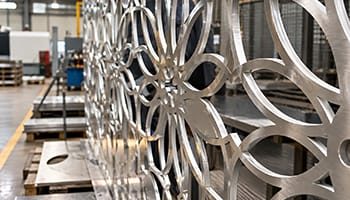
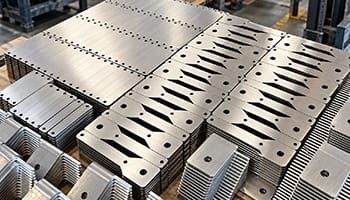
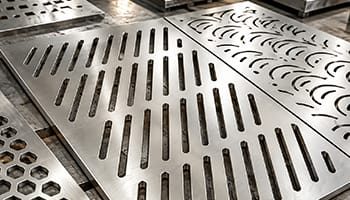
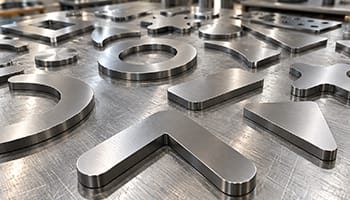
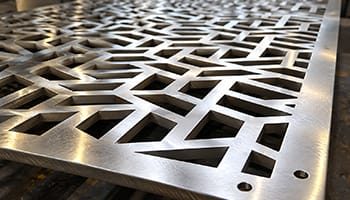
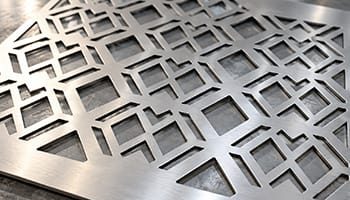
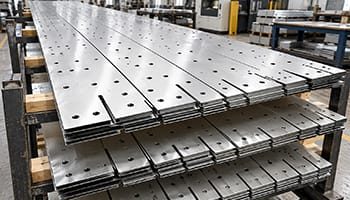
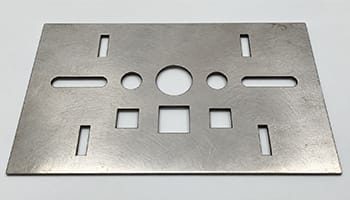
Application of Fiber Laser Cutting Machines
Why Choose Us
Cutting-Edge Technology
Every Faster Laser machine is built with the latest advancements, ensuring precise cuts, faster operation speeds, and the ability to handle complex designs effortlessly.
Superior Build Quality
We use only premium-grade materials and components, ensuring that every machine delivers consistent performance and maintains durability under heavy use.
Customized Solutions
Our team works closely with each customer to develop tailored laser cutting solutions that meet specific production needs and business objectives.
Comprehensive Support
Faster Laser provides thorough training, responsive technical support, and ongoing maintenance services to keep your machines running at peak efficiency.
Cost-Effective Investment
We offer high-quality laser cutting machines at competitive prices, ensuring you get maximum performance and long-term value from your investment.
Proven Industry Experience
With years of expertise and a strong global client base, Faster Laser has built a reputation for reliability, innovation, and customer satisfaction.
Fiber Laser Cutting Machines VS Other Cutting Machines
| Comparison Item | Fiber Laser Cutting Machine | Plasma Cutting Machine | Waterjet Cutting Machine | Flame Cutting Machine |
|---|---|---|---|---|
| Cutting Method | Fiber laser beam | Ionized gas arc | High-pressure water with/without abrasive | Oxy-fuel combustion |
| Best for Materials | Metals (steel, aluminum, brass, copper) | Conductive metals | Most materials, including stone and glass | Thick carbon steel |
| Cutting Precision | Very high | Moderate | High | Low |
| Cutting Speed | Fast | Fast | Slow to moderate | Slow |
| Edge Finish | Smooth and clean | Rougher, may need finishing | Very smooth | Rough and oxidized |
| Heat Affected Zone (HAZ) | Minimal | Medium | None | Large |
| Ability to Cut Reflective Metals | Excellent | Good | Good | Limited |
| Cutting Thickness Range | Thin to thick metals (varies by power) | Medium to thick metals | Wide, including very thick materials | Thick metals only |
| Operating Cost | Low | Moderate | High | Low |
| Maintenance Requirements | Low | Moderate | High | Low |
| Initial Equipment Cost | Moderate to high | Moderate | Very high | Low |
| Automation Capability | Excellent | Good | Limited | Poor |
| Environmental Impact | Low (no fumes with extraction) | Fumes and noise | Water waste, abrasive disposal | High emissions |
| Noise Level | Low | High | Moderate | High |
| Application Versatility | High (flat sheet, tube, complex shapes) | Good for general metal cutting | Broad material support | Limited to carbon steel |
Customer Testimonials
Related Resources
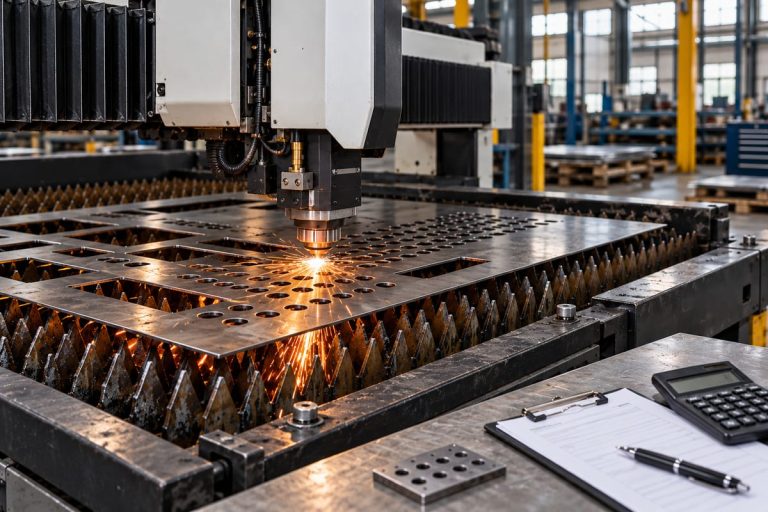
What Is The Cost Of Laser Cutting Machines?
This article explores laser cutting machine price ranges, installation and operating costs, financing, ROI, and the key factors that determine total cost of ownership for buyers.
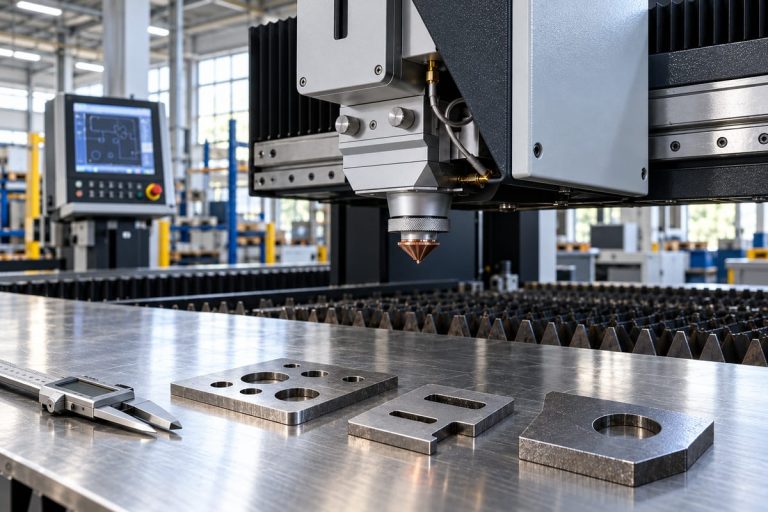
What Should You Consider Before Buying Laser Cutting Machines
This article is a comprehensive guide on what to consider before buying laser cutting machines, covering production requirements, laser technology, machine configuration, operating costs, vendor support, and testing.
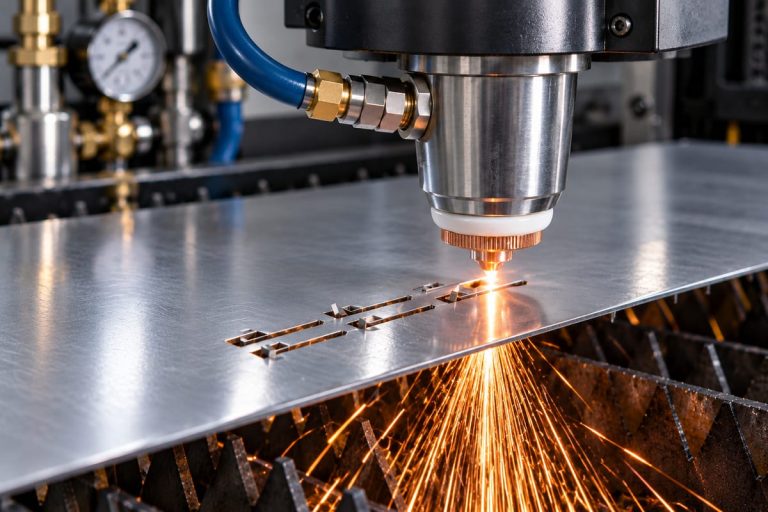
Does Laser Cutting Require Assist Gases
This article explains whether assist gas is required for laser cutting, covering how it works, when it’s necessary, gas types, quality impact, costs, safety factors, and practical decision guidance.
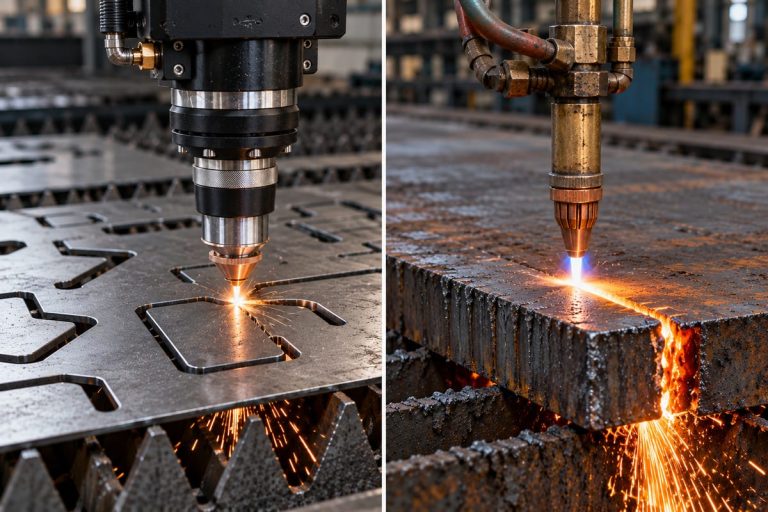
Laser Cutting VS Flame Cutting
This article compares laser cutting and flame cutting, exploring their differences in precision, material versatility, speed, cost, and applications to help industries choose the right cutting method.
Frequently Asked Questions
What Power Options Are Available For Fiber Laser Cutting Machines?
- 1500W (1.5kW): The economical option for thin metal sheets, particularly carbon steel and stainless steel. It suits small workshops producing signs, decorative panels, and simple fabricated parts where moderate cutting speeds can meet production requirements without a large initial investment.
- 2000W (2kW): Provides additional processing capacity compared with 1500W under comparable conditions. It suits light fabrication, including electrical enclosures, furniture components, and brackets. This power level can accommodate businesses seeking more flexibility while keeping equipment investment relatively modest.
- 3000W (3kW): The versatile option for general sheet metal fabrication involving carbon steel, stainless steel, and aluminum. Typical applications include kitchen equipment, cabinets, and metal signage. It offers a useful balance between cutting capability, production speed, and purchase cost.
- 4000W (4kW): Offers greater scope for processing moderately thick sheets and improving throughput on suitable materials. It can serve manufacturers expanding beyond light fabrication while maintaining flexibility for varied jobs. Its practical advantage depends on the thicknesses and materials processed regularly.
- 6000W (6kW): Supports productive cutting across a wider thickness range, making it suitable for busy fabrication shops and machinery manufacturers. Compared with lower power options, it can improve cutting speed and expand material capacity when paired with appropriate cutting parameters and supporting equipment.
- 12000W (12kW): Suits industrial production requiring substantial cutting capacity and faster processing of suitable plate materials. Larger fabrication businesses may select this option for demanding workloads involving carbon steel, stainless steel, and aluminum, with productivity helping justify the additional equipment investment.
- 20000W (20kW): Targets demanding plate processing and heavy fabrication. It provides greater power for thick materials and productive piercing strategies. Realizing these benefits requires a compatible cutting head, effective cooling, suitable gas delivery, and a machine designed for the workload.
- 30000W (30kW): Supports intensive plate cutting for structural steel, construction equipment, mining machinery, and related industries. It can increase productive capacity on suitable jobs, although loading, unloading, part geometry, and downstream operations also influence the number of finished components produced.
- 40000W (40kW): The ultra-high-power option for substantial thick-plate workloads and demanding production targets. It requires a suitably engineered machine and adequate supporting infrastructure. Its economic value is strongest where regular production can use the available capacity effectively.
What Auxiliary Equipment Is Required For Fiber Laser Cutting Machines?
- Industrial Water Chiller: Most industrial fiber laser cutting systems use a chiller to cool the laser source and, where specified, the cutting head. Cooling capacity, coolant quality, flow, and temperature control must match the equipment requirements. Some compact air-cooled models use different arrangements.
- Air Compressor: The compressor or suitable factory air supply supports pneumatic functions and, on compatible machines, compressed-air cutting. Cutting can require substantially different pressure and flow from ordinary pneumatic services, so the air supply must accommodate the machine’s actual operating demands.
- Air Dryer and Filtration: Compressed-air treatment controls moisture, oil, and particles that could contaminate the cutting system. Depending on the specification, equipment may include a dryer, moisture separators, filters, and an air receiver. Air quality must meet the machine manufacturer’s requirements at the connection point.
- Assist-Gas Supply: Oxygen, nitrogen, or compressed air supports cutting, depending on the material and required finish. Oxygen and nitrogen may come from cylinders, cylinder banks, or bulk storage. The on-site nitrogen generator is an optional alternative where its purity, capacity, and economics suit production.
- Gas Regulation and Distribution: Suitable regulators, isolation valves, gauges, and gas-compatible piping deliver a stable supply. Components must accommodate the specified pressure and peak flow. Supply sizing should account for pressure losses between the storage equipment and machine, especially during demanding cutting operations.
- Fume Extractor and Dust Collector: Extraction captures metal fumes and particles generated during cutting. The system needs suitable airflow, ducting, and filtration matched to the machine and processed materials. Dust characteristics and sparks must be considered when selecting collection equipment and any additional protective measures.
- Electrical Supporting Equipment: The installation requires an adequately rated electrical supply, protective devices, and grounding. The transformer may be needed to match the supply voltage. Voltage stabilization or other conditioning should follow the manufacturer’s requirements and the assessed quality of the local electricity supply.
- Material Handling Equipment: Suitable lifting equipment, sheet racks, and loading aids help move materials safely and efficiently. Options include cranes, forklifts, and vacuum lifters selected for the load. Automatic loading, unloading, and storage systems can support higher production volumes where justified.
- CAD/CAM and Nesting Software: Compatible software prepares drawings, arranges parts, and creates cutting programs. It is often supplied with the machine’s control system. The additional workstation or software package may be useful for preparing jobs while the machine continues production.
What Gases Are Required For Fiber Laser Cutting?
- Nitrogen (N2): Commonly used for stainless steel, aluminum, and applications requiring minimal edge oxidation. Nitrogen blows molten material from the cut while shielding the heated edge from oxygen. The laser supplies the cutting heat, so sufficient power and gas delivery are important. Clean edges can reduce subsequent finishing work.
- Oxygen (O2): Widely used for carbon steel and low-alloy steel. Oxygen reacts with heated metal, adding energy that supports cutting and melt removal. It generally operates at lower pressures than nitrogen fusion cutting. However, the resulting oxide layer may require removal before certain welding, painting, or coating operations.
- Compressed Air: An alternative for compatible machines processing materials such as steel and aluminum. Air combines nitrogen and oxygen, so some edge oxidation can occur. It can reduce purchased-gas expenses, although compressor electricity, maintenance, drying, and filtration remain operating costs. Suitability depends on the required finish and validated cutting parameters.
- Argon (Ar): Used for certain reactive metals, particularly titanium, where oxygen or nitrogen can adversely affect the cut surface. Titanium can absorb these gases at cutting temperatures, producing a hard, brittle surface layer. Argon provides an inert environment, but its additional expense usually limits it to applications requiring these properties.
- Nitrogen–Oxygen Mixtures: Some high-power systems use controlled mixtures to improve cutting performance on carbon steel or aluminum. The carefully selected oxygen content can help reduce burr formation under suitable conditions. These processes require compatible equipment and validated mixture ratios, with results depending on the alloy, thickness, and cutting settings.
- Gas Purity and Cleanliness: Gas must meet the machine manufacturer’s specifications. Oxygen contamination in nitrogen can discolor stainless-steel edges, while moisture, oil, and particles can contaminate optics or disrupt processing. Compressed air therefore needs suitable treatment, and nitrogen generation systems must deliver the required purity consistently.
- Pressure and Flow: Requirements vary with material thickness, nozzle size, laser power, and cutting method. Follow the approved process settings and confirm adequate delivery at the machine during operation. Excessive pressure can waste gas or disturb cutting, while insufficient flow can leave dross or incomplete cuts.
- Supply Arrangements: Oxygen, nitrogen, and argon can be supplied through cylinders, cylinder banks, or bulk systems. Nitrogen may also be generated on-site. Regulators, piping, and storage equipment must suit the gas and operating requirements, including peak consumption during production.
What Are The Working Environment Requirements For Fiber Laser Cutting Machines?
- Temperature Control: Maintain ambient temperature within the specified operating range and avoid rapid fluctuations. Provide air conditioning or additional heat removal where necessary, accounting for heat released by chillers and compressors. Protect temperature-sensitive equipment from direct sunlight, nearby heaters, and freezing conditions.
- Humidity and Condensation: Keep humidity within the equipment’s specified limits and prevent condensation on optics, electronics, and cooling connections. Dehumidification may be necessary in humid climates. Chiller settings must consider ambient dew point and manufacturer requirements; excessively cold coolant can increase condensation risk.
- Cleanliness and Air Quality: Limit airborne dust, grinding debris, oil mist, and corrosive contamination around the laser source and control equipment. Maintain housekeeping around cutting and loading areas. Clean surroundings help protect sensitive components and prevent contamination from affecting performance or reliability.
- Ventilation and Fume Extraction: Provide effective extraction at the cutting table to capture metal fumes and particles. General workshop ventilation should support the extraction system and remove accumulated heat. Exhaust discharge and any air recirculation must suit the processed materials and applicable requirements.
- Electrical Supply: Provide the specified voltage, phase arrangement, supply capacity, grounding, and protective devices. Include the electrical demand of auxiliary equipment when planning the installation. A transformer or voltage-conditioning equipment may be required, depending on the machine specification and local supply quality.
- Foundation and Vibration: Install the machine on a floor meeting its flatness, strength, and support-point loading requirements. Consider the combined weight of the machine, material, and accessories. Nearby presses, heavy machinery, or vehicle traffic can introduce vibration; any necessary isolation should follow an engineered installation plan.
- Space and Access: Allow sufficient room for loading, unloading, maintenance, emergency access, and auxiliary equipment. Follow the supplier’s clearance drawings, including space around electrical cabinets and cooling equipment. Check delivery routes, door openings, ceiling clearance, and lifting access before the machine arrives.
- Gas and Compressed-Air Infrastructure: Supply gases and compressed air at the specified purity, pressure, and flow. Provide suitable storage, ventilation, secured cylinders, and protected distribution lines. Gas installations must accommodate production demand and allow safe isolation for maintenance without obstructing working areas.
- Laser and Fire Safety: Maintain the required protective enclosure, interlocks, access controls, and warning signs. Keep combustible materials away from sparks and hot scrap. Provide suitable fire protection and clear escape routes, with arrangements appropriate to the machine, processed metals, and workshop layout.
What Materials Can Fiber Laser Cutting Machines Cut?
- Carbon Steel and Mild Steel: Widely processed for brackets, frames, machinery components, and structural parts. Oxygen can support cutting through an oxidation reaction, while nitrogen is useful where an oxide-free edge is required. Material thickness and surface condition influence suitable settings and achievable speed.
- Stainless Steel: Common grades such as 304, 316, and 430 can be cut for kitchen equipment, enclosures, architectural components, and industrial parts. Nitrogen is frequently selected to minimize edge oxidation. Edge cleanliness and any necessary finishing should be checked for corrosion-sensitive or hygienic applications.
- Aluminum and Aluminum Alloys: Suitable for lightweight panels, equipment housings, transportation components, and decorative products. Aluminum’s reflectivity and thermal conductivity require appropriate equipment and parameters. Cutting performance varies between alloys, thicknesses, and surface conditions, so representative testing helps establish reliable production settings.
- Galvanized and Coated Steel: Galvanized sheet is commonly processed for ductwork, cabinets, and fabricated components. The coating affects cutting behavior and generates additional emissions, making effective extraction essential. Paints, films, and other surface treatments must also be identified and assessed before processing.
- Copper: Suitable machines can cut copper for electrical connectors, busbars, and other conductive components. Its high reflectivity and thermal conductivity make equipment compatibility particularly important. Use a laser source and cutting configuration approved for copper; some fiber laser systems specifically exclude this material.
- Brass: Brass can be cut for signs, decorative panels, hardware, and precision components. Its copper–zinc composition influences processing behavior, and its reflectivity requires suitable equipment. Power, thickness, and cutting parameters determine practical capacity, while effective extraction controls emissions from the cutting process.
- Titanium and Titanium Alloys: Processed for aerospace, medical, and specialized engineering components. Titanium reacts readily with oxygen and nitrogen at cutting temperatures, which can affect edge properties. Argon is therefore used where an inert cutting environment is needed, with the process qualified for the intended application.
- Nickel and Nickel Alloys: Selected corrosion-resistant and heat-resistant nickel alloys can be cut on suitably configured industrial systems. These materials serve demanding engineering applications and may require carefully developed parameters. Trials should confirm edge quality, productivity, and any finishing requirements for the particular alloy.
- Nonmetallic Material Limitations: Standard industrial fiber metal cutting machines are generally unsuitable for routine cutting of wood, clear acrylic, paper, or textiles. Specialized laser systems can process some nonmetals, but capabilities depend on wavelength, pulse duration, and machine design. Material marking capability does not establish cutting capability.
How To Maintain Fiber Laser Cutting Machines?
- Safe Servicing and Electrical Checks: Follow approved shutdown, isolation, and stored-energy procedures before maintenance. Qualified personnel should inspect wiring, grounding, and cabinet cooling. Check guards, interlocks, and emergency stops through approved procedures, and repair faults before returning the equipment to production.
- Protective Windows and Optics: Inspect the cutting head’s protective window according to its maintenance schedule and condition alerts. Use approved cleaning materials where cleaning is permitted, and replace damaged or persistently contaminated windows. Keep internal optics and fiber connections closed unless authorized servicing requires access.
- Nozzles and Height Control: Inspect nozzles for spatter, blockage, wear, and deformation, and check ceramic holders for damage. Clean or replace components as instructed. Verify nozzle centering, focus, and height-sensor calibration through approved procedures, especially after replacement or a collision.
- Cooling System: Check coolant level, temperature, circulation, and leaks. Clean chiller filters and heat-exchange surfaces, and inspect hoses for deterioration. Use only the specified coolant and replacement interval. Seasonal freeze protection and condensation prevention must follow the requirements of the laser source and chiller.
- Gas and Compressed-Air Systems: Inspect hoses, regulators, connections, and filters for leakage, damage, or contamination. Maintain dryers and condensate drains, and verify pressure stability during operation. Replace treatment elements as specified so moisture, oil, and particles do not compromise the cutting system.
- Motion Components and Lubrication: Remove contamination from accessible guide rails, racks, and screws. Maintain automatic lubrication equipment and use the specified lubricant, quantity, and intervals. Check for unusual movement or noise, and inspect cable chains and fiber routing for damage or strain.
- Cutting Bed and Scrap Handling: Remove scrap and accumulated slag from trays and the cutting area at suitable intervals. Clean support slats and replace worn or damaged sections that affect workpiece stability. Keep exchange-table mechanisms and travel paths clear of obstructions.
- Fume Extraction: Inspect extraction inlets, ducts, fans, and dust collectors for blockage or damage. Maintain filters and cleaning mechanisms according to the collector’s instructions and condition indicators. Use cleaning and waste-handling methods suitable for the collected metal dust, and address reduced extraction promptly.
- Records and Professional Servicing: Record inspections, alarms, consumable changes, and repairs. Back up approved machine settings and cutting parameters. Arrange periodic professional checks of laser performance, calibration, electrical condition, and safety systems, and verify cutting quality after maintenance that could affect processing.
What Is The Service Life Of Fiber Laser Cutting Machines?
- Laser Source Life: Industrial fiber laser sources can operate for a decade or more under suitable conditions. Their longevity depends on their design, operating conditions, and component reliability. Repairing or replacing source modules may keep the cutting machine productive when its mechanical structure remains serviceable.
- Advertised Hour Ratings: Some suppliers advertise laser-source figures approaching 100,000 hours. Confirm which component the figure covers, how it was established, and what operating conditions apply. Source ratings, statistical reliability estimates, warranty periods, and the useful life of the complete machine describe different things.
- Operating Hours and Workload: Calendar age provides only part of the picture. The machine running continuously accumulates operating hours much faster than one used occasionally. Track machine hours, laser-on time, maintenance history, and production conditions when assessing its condition and likely future service requirements.
- Consumables and Cutting-Head Components: Nozzles, protective windows, ceramic holders, filters, and support slats require attention throughout the machine’s life. Replacement intervals depend on contamination, collisions, materials, and workload. Their replacement is normal maintenance and does not indicate that the entire machine has retired.
- Mechanical and Electrical Components: Guideways, racks, bearings, drives, cables, and control equipment have individual wear and failure patterns. Appropriate lubrication, alignment, electrical inspections, and timely repairs help preserve accuracy. The availability of compatible replacement parts becomes increasingly important as the machine ages.
- Cooling and Working Environment: Reliable cooling, clean gas supplies, controlled humidity, and protection against condensation help prevent premature damage. Contaminated coolant, overheating, dust, and unstable electrical conditions can shorten component life considerably. Environmental control is therefore part of maintaining long-term reliability.
- Preventive Maintenance: Follow the manufacturer’s schedule for optics inspection, lubrication, cooling-system care, extraction maintenance, and safety checks. Keep records of alarms, repairs, and consumable use. Changes in cutting quality or component consumption can help identify developing problems before they cause extended downtime.
- Repairs and Upgrades: Refurbishment, replacement cutting heads, control improvements, and approved upgrades can extend productive service. However, a power increase may also require changes to cooling, motion, gas delivery, or other equipment. Evaluate the complete upgrade package before deciding that modernization is economical.
- Economic Replacement Point: Assess repair costs, downtime, cutting quality, productivity, energy use, and service support together. The machine may remain functional while becoming less economical for current production needs. Compare professional refurbishment and replacement using representative jobs and realistic operating costs.
How To Handle Fumes During Fiber Laser Cutting?
- Material Assessment: Identify metal grades, coatings, oils, and protective films before cutting. Stainless steel, galvanized steel, and coated materials can introduce different hazards. Use supplier information and safety data sheets as starting points for assessing emissions and selecting suitable controls.
- Source Extraction: Use dedicated local exhaust ventilation connected to the machine’s designed capture points, such as a zoned downdraft table. Size airflow and collection equipment for laser power, material, table geometry, and production duty. General room ventilation cannot replace effective capture at the source.
- Enclosures and Operating Routine: Keep the machine’s designed enclosure closed and intact. Start extraction before cutting and maintain it for the specified clearance period afterward. Stop processing if airflow fails or fumes escape, and investigate the cause before restarting.
- Appropriate Filtration: Use industrial filters selected for the particle size and contaminants. The HEPA stage may be specified, particularly for certain recirculating systems. Particle filters do not remove gases; emissions from coatings may require additional treatment designed for those particular contaminants.
- Ventilation and Exhaust Discharge: Arrange exhaust discharge according to applicable requirements and the contaminant assessment. Indoor recirculation needs an engineered, verified system. Provide adequate replacement air, and avoid drafts or fans that disrupt capture or carry emissions toward workers.
- Fire and Explosion Protection: Some fine metal dusts are combustible, and hot particles can ignite collector contents. Have dust characteristics and fire or explosion hazards assessed. Spark management, isolation, or explosion protection may be required; sharing collectors between materials also requires a compatibility assessment.
- Maintenance and Housekeeping: Check airflow indicators, filter differential pressure, ducts, dampers, and collection bins. Maintain cleaning mechanisms and replace filters according to equipment instructions and condition. Remove settled dust using methods suitable for the material, and contain waste during handling and disposal.
- Performance Verification: Commission the extraction system and recheck performance after important changes. Use exposure measurements where needed to confirm worker protection. Visible smoke and odor cannot establish safe exposure levels, so maintain documented checks and investigate alarms, escaping fumes, or declining airflow.
- Respiratory Protection: Where residual exposure or maintenance tasks require it, provide respirators selected for the contaminants and exposure level. Tight-fitting facepieces require fit testing. Respiratory protection supplements engineering controls, and workers need training in correct use, maintenance, and replacement.