
Product Introduction
Types of Laser Cutting Machines
-

FL-C Laser Cutting Machine
Rated 4.88 out of 5$22,360.00 – $94,900.00Price range: $22,360.00 through $94,900.00 Select options This product has multiple variants. The options may be chosen on the product page -
FL Laser Cutting Machine
Rated 4.88 out of 5$24,050.00 – $215,150.00Price range: $24,050.00 through $215,150.00 Select options This product has multiple variants. The options may be chosen on the product page -
FE Laser Cutting Machine
Rated 4.75 out of 5$29,900.00 – $228,150.00Price range: $29,900.00 through $228,150.00 Select options This product has multiple variants. The options may be chosen on the product page -
FB Laser Cutting Machine
Rated 4.75 out of 5$29,250.00 – $226,850.00Price range: $29,250.00 through $226,850.00 Select options This product has multiple variants. The options may be chosen on the product page -
FP Laser Cutting Machine
Rated 4.50 out of 5$35,750.00 – $240,500.00Price range: $35,750.00 through $240,500.00 Select options This product has multiple variants. The options may be chosen on the product page -
FH Laser Cutting Machine
Rated 4.75 out of 5$41,600.00 – $254,800.00Price range: $41,600.00 through $254,800.00 Select options This product has multiple variants. The options may be chosen on the product page -
FL-T Laser Cutting Machine
Rated 4.63 out of 5$44,200.00 – $237,250.00Price range: $44,200.00 through $237,250.00 Select options This product has multiple variants. The options may be chosen on the product page -
FE-T Laser Cutting Machine
Rated 4.75 out of 5$50,050.00 – $250,250.00Price range: $50,050.00 through $250,250.00 Select options This product has multiple variants. The options may be chosen on the product page
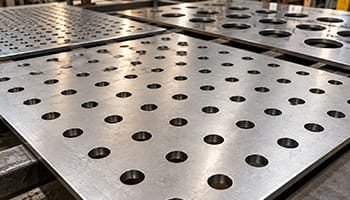
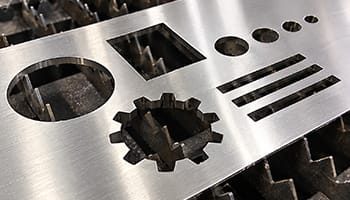
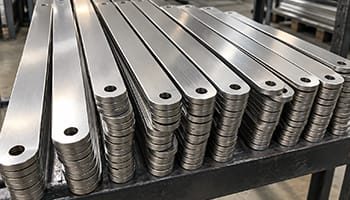
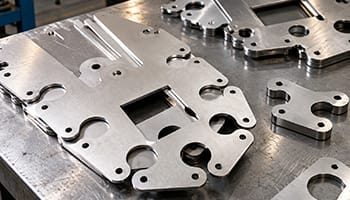
Application of Laser Cutting Machines
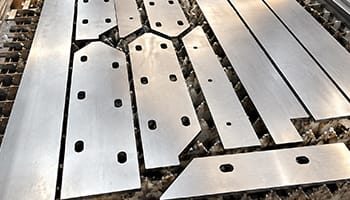
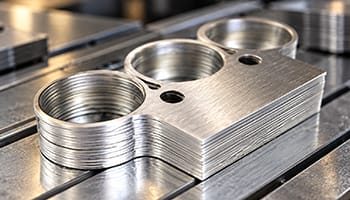
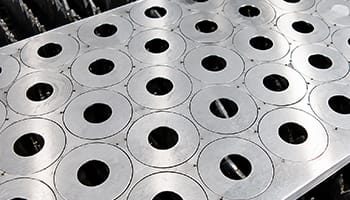
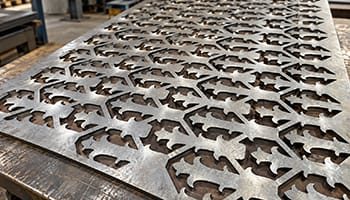
Why Choose Us
Cutting-Edge Technology
Every Faster Laser machine is built with the latest advancements, ensuring precise cuts, faster operation speeds, and the ability to handle complex designs effortlessly.
Superior Build Quality
We use only premium-grade materials and components, ensuring that every machine delivers consistent performance and maintains durability under heavy use.
Customized Solutions
Our team works closely with each customer to develop tailored laser cutting solutions that meet specific production needs and business objectives.
Comprehensive Support
Faster Laser provides thorough training, responsive technical support, and ongoing maintenance services to keep your machines running at peak efficiency.
Cost-Effective Investment
We offer high-quality laser cutting machines at competitive prices, ensuring you get maximum performance and long-term value from your investment.
Proven Industry Experience
With years of expertise and a strong global client base, Faster Laser has built a reputation for reliability, innovation, and customer satisfaction.
Laser Cutting Machines VS Other Cutting Machines
| Comparison Item | Laser Cutting Machine | Plasma Cutting Machine | Waterjet Cutting Machine | Flame Cutting Machine |
|---|---|---|---|---|
| Cutting Precision | Extremely high | Moderate | High | Low |
| Material Range | Metals, non-metals, composites | Mostly metals | Almost all materials | Primarily thick metals |
| Cutting Speed | Fast | Very fast | Moderate | Slow |
| Edge Quality | Smooth, clean edges | Rougher edges | Very smooth | Rough, oxidized edges |
| Heat-Affected Zone | Very small | Large | None | Large |
| Thickness Capability | Medium to thick | Thick materials | Very thick materials | Very thick materials |
| Operating Cost | Moderate | Low | High | Low |
| Maintenance Requirement | Low | Medium | High | Low |
| Environmental Impact | Low emissions | High emissions | High water usage, abrasive waste | High emissions |
| Initial Investment | Medium to high | Low | Very high | Low |
| Automation Integration | Easy | Moderate | Moderate | Difficult |
| Noise Level | Low | High | Low | High |
| Accuracy for Fine Details | Excellent | Poor | Excellent | Poor |
| Energy Consumption | Moderate | High | Very high | High |
| Typical Applications | Precision parts, electronics, signage | Construction, automotive | Aerospace, stone cutting | Heavy metal cutting |
Customer Testimonials
Related Resources
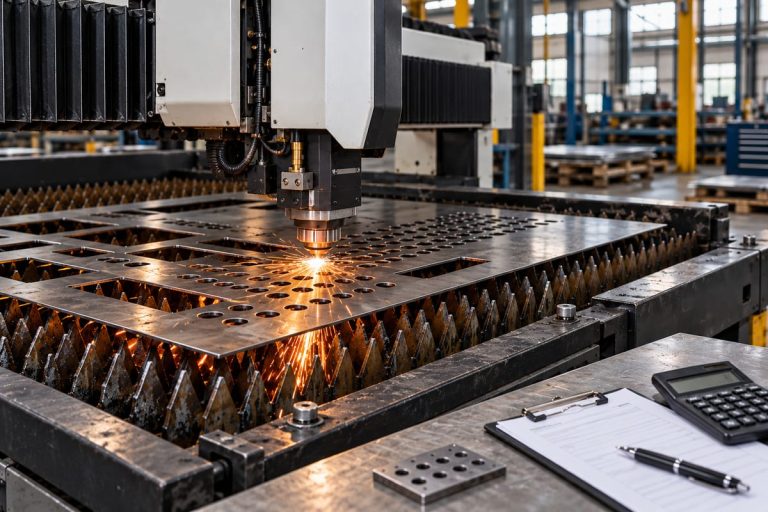
What Is The Cost Of Laser Cutting Machines?
This article explores laser cutting machine price ranges, installation and operating costs, financing, ROI, and the key factors that determine total cost of ownership for buyers.
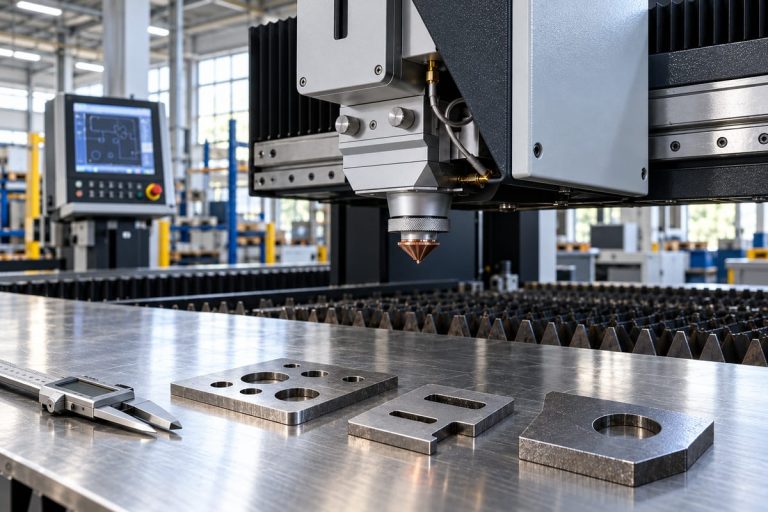
What Should You Consider Before Buying Laser Cutting Machines
This article is a comprehensive guide on what to consider before buying laser cutting machines, covering production requirements, laser technology, machine configuration, operating costs, vendor support, and testing.
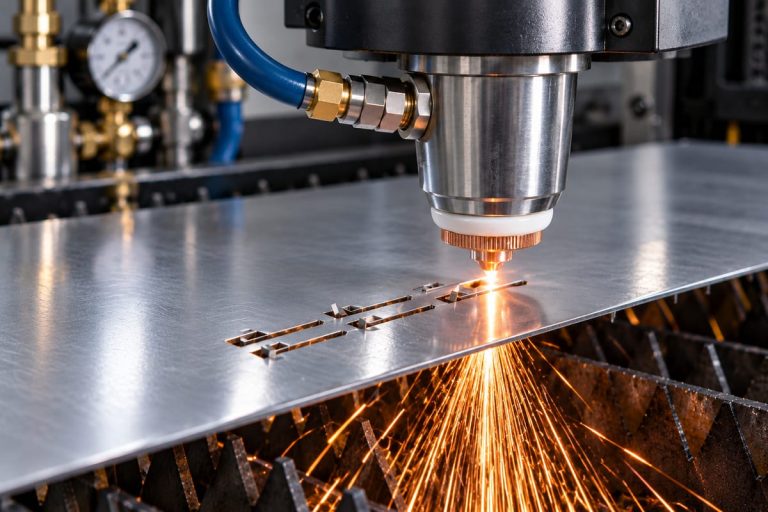
Does Laser Cutting Require Assist Gases
This article explains whether assist gas is required for laser cutting, covering how it works, when it’s necessary, gas types, quality impact, costs, safety factors, and practical decision guidance.
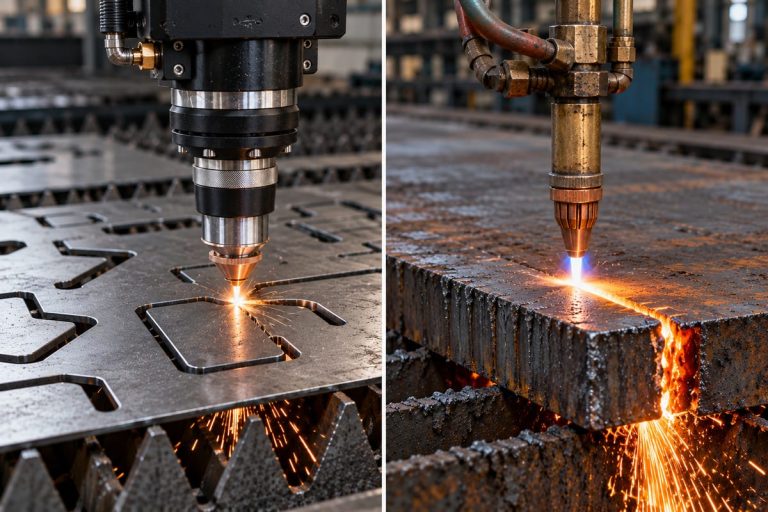
Laser Cutting VS Flame Cutting
This article compares laser cutting and flame cutting, exploring their differences in precision, material versatility, speed, cost, and applications to help industries choose the right cutting method.
Frequently Asked Questions
How Much Do Laser-Cutting Machines Cost?
- CO2 Laser-Cutting Machines: $3,100–$16,500. These machines are commonly selected for wood, acrylic, paper, leather, and suitable textiles. Prices vary with laser power, table dimensions, tube technology, motion components, and accessories. Larger working areas, camera positioning, automatic feeding, and other production features can increase the quotation.
- Fiber Laser-Cutting Machines: $22,500–$315,000. These systems primarily serve metal fabrication, including cutting carbon steel, stainless steel, and aluminum. The broad price range reflects differences in laser power, cutting format, machine construction, enclosure design, and automation. Sheet-cutting, tube-cutting, and combined configurations require different equipment and should be quoted separately.
- Laser Power and Cutting Performance: Higher output generally increases equipment cost and can improve cutting speed or thickness capability for suitable applications. However, the required power depends on the material, thickness, edge quality, and production volume. Sample cutting helps confirm whether additional power provides useful value.
- Working Area and Machine Construction: Larger tables accommodate larger sheets but require more machine structure and floor space. Motion systems, cutting heads, controls, and mechanical construction also influence price. Compare demonstrated cutting accuracy and repeatability rather than relying only on a machine’s advertised dimensions.
- Automation and Software: Automatic loading, unloading, exchange tables, and material storage can substantially increase the investment. Nesting software, camera systems, automatic nozzle functions, and production monitoring may also affect pricing. Confirm which features and software licenses are included in the quoted package.
- Cooling, Extraction, and Gas Equipment: Chillers, fume extraction, air compressors, air treatment, and cutting-gas supply equipment may be included or priced separately. Requirements differ between CO2 and fiber laser cutting systems. Check the complete equipment list and the site’s available utilities before comparing machine-only quotations.
- Delivery and Installation: Freight, insurance, applicable duties and taxes, unloading, positioning, electrical preparation, commissioning, and operator training can add to the delivered cost. Their inclusion depends on the supplier’s terms. Request an itemized quotation showing the responsibilities of both the supplier and the buyer.
- Operating Costs and Technical Support: Electricity, assist gas where used, extraction filters, optics, nozzles, maintenance, and repairs contribute to ownership costs. Warranty coverage, replacement-parts availability, and local technical support also matter. Compare these expenses against actual production output when evaluating the overall investment.
What Should I Know Before Buying Laser-Cutting Machines?
- Material and Laser Type: CO2 laser cutting machines are commonly chosen for wood, acrylic, and suitable textiles, while industrial fiber cutters are commonly selected for metals. Confirm compatibility with the exact material grade, coating, and thickness you use. Different laser technologies have different processing capabilities.
- Laser Power and Thickness: Identify both your usual production thickness and occasional maximum thickness. Ask for cutting data at the required edge quality and production speed. The machine’s maximum separation thickness may be less useful than its ability to produce consistent, finished parts economically.
- Working Area and Material Handling: Match the usable cutting area to your stock dimensions and part sizes. For tube cutting, confirm supported profiles, diameters, lengths, and clamping limitations. Include loading, unloading, material storage, maintenance access, and potential automation when planning the available floor space.
- Sample Cutting and Acceptance Criteria: Request tests using your own materials and representative drawings. Check dimensions, edge finish, burrs or dross, small features, and repeatability. Measure the complete production cycle, including loading and unloading. Agree on measurable acceptance criteria before placing the order.
- Software and Automation: Verify compatibility with your CAD/CAM workflow, drawing formats, and machine controller. Evaluate nesting, lead-in control, job preparation, and operator usability. Confirm software licensing, update costs, and which automation features are included. Request a demonstration of preparing and running a typical job.
- Safety and Fume Extraction: Check beam containment, interlocks, emergency stops, extraction, and fire precautions. Identify hazardous materials and coatings before processing. Confirm that the machine’s safety documentation and installation arrangements meet applicable local requirements, with protection appropriate for operators and nearby workers.
- Installation and Utilities: Obtain the manufacturer’s installation plan before purchasing. Check electrical voltage, phase, capacity, grounding, cooling, and environmental requirements. Confirm compressed-air quality and cutting-gas pressure, purity, and flow where applicable. Delivery access, unloading equipment, floor loading, and service clearances also need consideration.
- Total Cost of Ownership: Budget for delivery, installation, training, extraction, cooling, gas equipment, consumables, software, electricity, maintenance, and repairs. Ask suppliers to distinguish included equipment from optional items. Compare expected cost per acceptable part at your production volume, alongside the initial machine price.
- Supplier Support and Training: Review warranty coverage, exclusions, service response arrangements, spare-parts availability, and technical support. Confirm who installs the machine and trains operators in setup, safety, maintenance, and troubleshooting. Clear service responsibilities help reduce uncertainty when faults or production problems arise.
What Are The Disadvantages of Laser-Cutting Machines?
- High Initial Investment: The laser source, cutting head, motion system, controls, and protective enclosure can represent a substantial purchase. Cooling, extraction, installation, and automation increase the total investment. For occasional production or simple parts, the equipment cost may be difficult to justify.
- Continuing Operating Expenses: Electricity, cutting gases where used, compressed air, cooling, filters, optics, and nozzles contribute to running costs. Labor, software, servicing, and repairs also affect profitability. Compare cost per acceptable finished part rather than assuming that fast cutting automatically means low production costs.
- Material Compatibility Restrictions: Different laser types suit different materials. Fiber laser cutting machines optimized for metal cutting generally cannot replace CO2 laser cutting machines for wood and acrylic. Materials such as PVC are unsuitable for standard laser processing because they can release hazardous, corrosive emissions.
- Thickness and Speed Limitations: Maximum useful cutting thickness depends on laser power, material, and quality requirements. Cutting speed generally decreases as thickness increases. Very thick stock may require a more powerful system or another cutting process, particularly when productivity and edge quality are critical.
- Heat-Affected Areas: Conventional laser cutting introduces localized heat that can change material properties near the edge. Thin parts may distort, wood can char, and some plastics can melt or discolor. Applications sensitive to heat or changes in edge properties require carefully validated processing conditions.
- Cut-Edge Defects and Finishing: Incorrect focus, cutting speed, nozzle condition, or gas settings can produce burrs, dross, striations, and uneven edges. Oxygen-assisted metal cutting also creates an oxidized edge. Depending on the next manufacturing step, deburring, cleaning, or oxide removal may add processing time.
- Setup and Training Requirements: Reliable results depend on drawing preparation, nesting, parameter selection, focus, and material handling. Different grades, coatings, and thicknesses may require separate settings and trial cuts. Operators need training in machine operation, troubleshooting, maintenance, and safe working procedures.
- Maintenance and Production Downtime: Protective windows, lenses, nozzles, extraction filters, and cooling systems require attention according to the machine’s design. Contamination or worn components can reduce cut quality and cause interruptions. Access to replacement parts and qualified service becomes important when faults stop production.
- Safety and Ventilation Requirements: Laser radiation, reflections, fumes, and fire risks demand engineered safeguards. Suitable enclosures, interlocks, extraction, material screening, and operating procedures add equipment and management requirements. Poorly controlled emissions or combustible residue can create hazards for operators and nearby workers.
How Thick Can Laser-Cutting Machines Cut?
- Wood and Wood-Based Products: CO2 lasers commonly cut thin wood sheets and panels. For example, Epilog guidance describes cutting wood up to approximately 12.7 mm with a 120W laser. Species, density, glue layers, and moisture influence results, while thicker sections can produce more charring.
- Acrylic and Suitable Plastics: Acrylic often supports greater cutting thickness than many other plastics. Epilog lists examples of 12.7 mm acrylic in one pass with 120W and 19 mm with 200W. Multiple passes can extend capacity, but increase processing time and require finish checks.
- Carbon Steel: Selected industrial fiber configurations are rated for approximately 20 mm at 3kW and 22 mm at 6kW. These are manufacturer-specific maximum capacities. Steel grade, surface condition, gas selection, and the required finish determine whether those thicknesses are practical for regular production.
- Stainless Steel: Published examples include maximum thicknesses of 8 mm with 3kW and 16 mm with 6kW on particular fiber laser cutting machine series. Other machines with the same power may have different limits. Gas supply and cutting conditions strongly influence edge quality.
- Aluminum: One industrial fiber series lists maximum aluminum thicknesses of 6 mm at 3kW and 14 mm at 6kW. Alloy, surface condition, optical configuration, and processing requirements affect performance. Confirm the exact alloy and required thickness through representative cutting trials.
- Copper and Brass: Compatible fiber laser cutting systems can cut these reflective metals, with published examples of 5 mm at 3kW and 10 mm at 6kW. Capacity depends on the complete machine’s design and processing data, including its suitability for managing reflections during piercing and cutting.
- Thicker Industrial Plate: Specialized configurations can extend these capacities. For example, one 12kW industrial laser cutting system lists 30 mm mild steel and 25 mm stainless steel with an optional thick-sheet cutting package. These figures apply to vertical cutting; its bevel-cutting limits are substantially lower.
- Production Quality and Cutting Conditions: Cutting completely through a material is only one requirement. Useful production thickness also depends on speed, reliable piercing, edge roughness, burr formation, dimensional accuracy, and repeatability. Focus, nozzle condition, gas pressure, and material quality must match the selected process.
Why Are Laser-Cutting Machines So Expensive?
- Laser Source: Producing a stable, concentrated laser beam requires specialized components and power electronics. Higher output and demanding beam-quality requirements increase engineering complexity. Fiber and CO2 laser sources also use different technologies, so machines cannot be compared fairly by wattage alone.
- Precision Mechanical Components: Rigid frames, accurately machined components, guide rails, and servo drives help maintain positioning accuracy during rapid movements. Larger cutting areas require bigger structures and motion systems. Building and aligning these components adds to manufacturing and assembly costs.
- Cutting Heads and Optics: Focusing lenses, protective windows, nozzles, and height-control systems must work reliably near heat, fumes, and molten material. Features such as automatic focusing, collision protection, and protective-window monitoring introduce additional components, sensors, and control functions.
- Control Systems and Software: The controller coordinates motion, laser output, and cutting parameters. CAD/CAM software, nesting tools, material databases, and production-management interfaces can add development or licensing costs. Advanced capabilities may be included in the purchase price or sold separately.
- Cooling and Auxiliary Equipment: Suitable chillers, gas-control equipment, compressed-air treatment, and fume extraction support reliable operation. Their capacity must match the application. Some suppliers include these systems, while others quote them separately, which can make apparently similar machine prices difficult to compare.
- Safety Systems: Protective enclosures, suitable viewing windows, interlocks, emergency stops, and electrical safeguards require additional hardware and engineering. The necessary arrangement depends on the machine and installation. These features contribute to the cost of providing a controlled operating environment.
- Automation and Customization: Exchange tables, sheet-loading systems, unloading equipment, storage towers, and tube-handling attachments increase equipment and integration costs. Automated monitoring and nozzle-changing functions can also raise the purchase price, although their value depends on production volume and workflow.
- Engineering and Quality Control: Machine design, process development, component inspection, calibration, and cutting trials require skilled personnel and equipment. Manufacturers must integrate the laser, mechanics, optics, and software so they operate together consistently. More demanding performance specifications generally require additional engineering and verification.
- Installation and After-Sales Support: Delivery, positioning, commissioning, operator training, warranty coverage, and technical support may form part of the quotation. Access to service engineers and spare parts also affects the overall package. Buyers should confirm exactly which services and expenses are included.
What Are The Hazards of Laser-Cutting Machines?
- Laser Radiation: Direct beams and reflections can cause permanent eye injuries and skin burns. CO2 and fiber cutting lasers typically emit invisible infrared radiation. Properly enclosed systems can meet Class 1 limits during normal operation, but damaged enclosures or bypassed interlocks can expose dangerous radiation.
- Fire: The beam can ignite wood, paper, plastics, accumulated debris, and nearby flammable materials. Sparks and hot slag from metal cutting can also start fires. Clean cutting beds, suitable extraction maintenance, and the manufacturer’s required monitoring arrangements help control this risk.
- Harmful Fumes and Particles: Cutting releases airborne particles, vapors, and gases whose composition depends on the material, coatings, and adhesives. Exposure may irritate the eyes and lungs or cause more serious health effects. Effective source extraction and appropriate exhaust treatment are essential.
- Hazardous Material Decomposition: Some materials release particularly dangerous chemicals when heated. PVC, for example, produces corrosive hydrogen chloride and should not be laser cut. Unknown plastics, coatings, and composite materials require identification and compatibility checks before processing; appearance alone cannot establish safety.
- Burns and Flying Debris: Freshly cut parts, slag, and machine components may remain hot after cutting stops. Molten droplets and fragments can injure exposed skin or eyes. Allow cooling before handling and use suitable handling tools and protective equipment where required.
- Electrical Hazards: Power supplies, damaged wiring, and exposed electrical components can cause severe shock or electrocution. Capacitors may retain dangerous stored energy after shutdown. Electrical servicing requires qualified personnel and proper energy isolation, including verification that stored energy has been safely controlled.
- Moving Machinery and Sharp Edges: Cutting heads, exchange tables, loaders, and rotating tube chucks can strike, trap, or crush workers. Heavy sheets and sharp cut edges add handling risks. Keep guards effective and isolate equipment before reaching into hazardous areas or clearing jams.
- Compressed-Gas Hazards: High-pressure cylinders, hoses, and fittings can fail or release gas unexpectedly. Nitrogen leaks can displace oxygen in poorly ventilated spaces, while oxygen enrichment increases fire intensity. Compatible equipment, secure cylinders, ventilation, and leak checks are important safeguards.
- Noise Exposure: Cutting operations and auxiliary equipment can generate harmful noise, depending on the installation. Repeated or prolonged exposure may damage hearing. Assess actual workplace noise and apply engineering controls and hearing protection according to the measured exposure.
What Is The Operating Cost of Laser-Cutting Machines?
- Electricity: Calculate consumption for the complete installation, including the laser source, motion systems, chiller, extraction, and compressor where applicable. Optical laser power differs from electrical input. For example, an assumed average draw of 20 kW at $0.15/kWh costs $3 per hour.
- Assist Gas and Compressed Air: Metal cutting commonly consumes oxygen, nitrogen, or compressed air. Cost varies with gas type, nozzle size, pressure, cutting time, and supply arrangements. Compressed air also requires electricity, filtration, and drying, which must be included in its cost.
- Consumable Parts: Budget for cutting nozzles, protective windows, lenses, filters, and other components that wear or become contaminated. Replacement frequency depends on the machine and application. CO2 and fiber laser cutting systems have different optical arrangements, so their consumable requirements should be evaluated separately.
- Maintenance and Repairs: Include cleaning materials, lubricants, coolant, scheduled servicing, and an allowance for unexpected repairs. Major components, including the laser source, may eventually require repair or replacement. Spread expected periodic expenses across realistic operating hours when calculating an hourly maintenance allowance.
- Labor and Programming: Operator wages, employer costs, job preparation, programming, loading, unloading, and inspection contribute to production expenses. Automation can reduce labor per part, but its supporting equipment also needs maintenance. Allocate shared operator time according to actual involvement with each machine.
- Software and Supporting Systems: Include recurring CAD/CAM licenses, nesting subscriptions, support agreements, and extraction or compressor servicing where applicable. Some software is purchased outright, while other packages involve ongoing fees. Account for each expense once to avoid duplicating electricity, filters, or maintenance allowances.
- Materials, Scrap, and Rework: Raw material is usually tracked separately from machine running costs, but it matters greatly when calculating finished-part cost. Poor nesting, rejected parts, and unnecessary finishing increase spending. Credit reusable remnants or scrap only when their recovery value is realistic.
- Utilization and Ownership Costs: Setup, idle time, and downtime affect how many acceptable parts are produced. For a complete production cost, also allocate depreciation, financing, rent, and insurance consistently. These expenses should be identified separately from direct hourly running costs.
- Illustrative Hourly Budget: Assume electricity costs $3, gas $6, consumables and maintenance $2, and labor $20 per operating hour. The total is $31 per hour before materials, software, and ownership overhead. These hypothetical figures illustrate the calculation; actual costs require site-specific data.
How To Maintain Laser Cutting Machines?
- Safe Shutdown and Isolation: Before maintenance, follow the prescribed shutdown procedure, disable laser emission, and isolate electrical and other hazardous energy sources as required. The emergency stop does not replace energy isolation. Allow hot components to cool and leave electrical servicing to qualified personnel.
- Worktable and Interior Cleaning: Remove offcuts, dust, resin deposits, and slag from the cutting bed, slats, scrap trays, and accessible interior surfaces. Use cleaning methods approved for the material residues. Regular cleaning helps reduce fire risk and prevents buildup from obstructing cutting or extraction.
- Optics and Protective Windows: Inspect accessible CO2 mirrors and lenses, or fiber-laser protective windows, according to the manual—clean contaminated surfaces using approved optical cleaners and lint-free materials. Avoid touching optical surfaces. Replace damaged optics and leave sealed internal assemblies to authorized service personnel.
- Cooling System Maintenance: Check coolant level, condition, temperature, flow indications, and hoses on water-cooled machines. Use the coolant specified for both the laser and chiller, and follow replacement intervals. Clean accessible condenser filters; on air-cooled systems, keep fans and heat sinks clear.
- Motion Components and Lubrication: Keep guideways, racks, and protective covers clean as instructed. Apply only the specified lubricant at designated points and intervals, checking automatic lubrication delivery where fitted. Report unusual vibration, looseness, or positioning errors; avoid unapproved adjustments or indiscriminate lubrication.
- Cutting Head and Gas Supply: On metal-cutting systems, inspect nozzles, ceramic holders, and accessible head components for contamination or damage. Check gas and air-assist hoses, regulators, filters, and drains. Maintain the specified gas quality and pressure, and arrange repairs when leaks or instability appear.
- Exhaust and Filtration: Inspect extraction airflow, duct connections, fans, and filter indicators. Remove approved deposits and replace filters according to condition and manufacturer instructions. The running fan does not prove adequate capture. Handle collected dust and used filters according to their contamination hazards.
- Safety Devices and Performance Checks: Check guards, interlocks, emergency stops, and alarms using the manufacturer’s test procedures. Never bypass failed safeguards. After relevant maintenance, verify focus, calibration, and cut quality with an approved test piece before returning the machine to production.
- Maintenance Records and Professional Servicing: Record inspections, operating hours, alarms, replacement parts, and recurring problems. Schedule professional servicing at the recommended calendar or operating-hour intervals. Bring inspections forward after collisions, overheating, persistent alarms, or unexpected deterioration in cutting performance.