Laser cutting has become one of the most precise, efficient, and widely used manufacturing processes in modern fabrication. From automotive components and aerospace parts to signage and consumer products, this technology is valued for its ability to deliver clean edges, tight tolerances, and high repeatability. However, one of the most common questions asked by beginners and even experienced operators is: Does laser cutting require assist gases? Understanding the role of assist gas is essential for achieving optimal cutting quality, productivity, and cost efficiency.
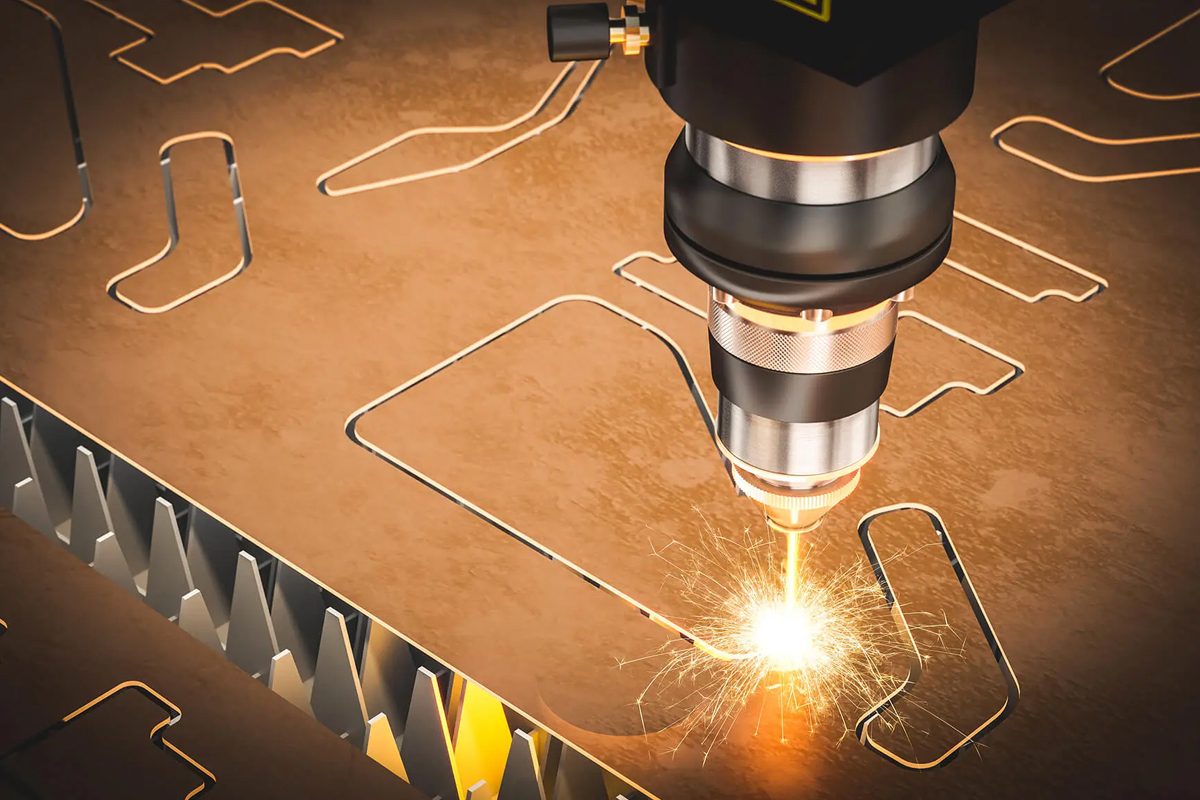
At its core, laser cutting works by focusing a high-energy laser beam onto a material surface, melting, burning, or vaporizing it along a defined path. While the laser itself provides the thermal energy needed for cutting, the process does not rely on the laser alone. Assist gas—such as oxygen, nitrogen, compressed air, or inert gases—is often introduced through a nozzle coaxial with the laser beam. This gas stream interacts directly with the molten material during cutting, influencing everything from edge finish to cutting speed.
The importance of assist gas varies depending on the material being cut, the thickness of the workpiece, and the desired edge quality. In some cases, assist gas enhances cutting efficiency by accelerating oxidation or by physically blowing molten material out of the kerf. In other situations, it plays a protective role, preventing oxidation and discoloration while ensuring a smooth, high-quality finish. There are also scenarios where operators explore cutting with minimal or alternative gas setups to reduce operating costs.
Because assist gas impacts cut quality, surface appearance, and overall production economics, it is not a simple optional add-on—it is a critical process variable. This article explores whether assist gas is truly required for laser cutting, how it affects different materials, and when it may be possible to optimize or modify its use. By understanding these fundamentals, manufacturers and hobbyists alike can make more informed decisions and achieve better laser cutting results.
In laser cutting, the term assist gas refers to a controlled stream of pressurized gas that is delivered through the laser cutting head and directed precisely into the cutting zone, or kerf, alongside the laser beam. Although the laser supplies the energy required to heat and melt the material, the assist gas governs how that molten or vaporized material behaves during the cut. In practical terms, it is one of the most critical process variables influencing cut quality, efficiency, and repeatability.
When the laser beam strikes the material, it rapidly raises the temperature at the focal point, causing localized melting, burning, or vaporization. As this happens, molten material must be removed continuously to allow the laser to penetrate deeper and progress along the cutting path. Assist gas performs this task by physically blowing molten material and debris out of the kerf. This prevents reattachment or resolidification on the cut edges, which would otherwise lead to rough surfaces, excessive dross, or incomplete cuts.
Assist gas also plays an important thermal and chemical role. Reactive gases, such as oxygen, interact with certain metals during cutting. This chemical reaction produces additional heat, effectively supplementing the laser’s energy and enabling faster cutting speeds or thicker material processing with lower laser power. On the other hand, inert gases like nitrogen or argon do not react with the material. Instead, they act as a protective shield, preventing oxidation and preserving the natural color and corrosion resistance of the cut edge. This distinction is especially important for applications where aesthetics, weldability, or surface integrity are critical.
In addition, assist gas helps stabilize the cutting process itself. A consistent gas flow maintains a clear optical path by reducing plasma formation and preventing smoke or spatter from interfering with the laser beam. It also protects sensitive optics, such as lenses and nozzles, from contamination and thermal damage. Gas pressure, nozzle design, gas purity, and alignment all influence how effectively assist gas performs these functions, making it a finely tuned parameter rather than a simple on/off feature.
Assist gas in laser cutting is far more than a secondary aid—it is an integral part of how the process works. By removing molten material, influencing chemical reactions, controlling heat distribution, and protecting both the cut edge and the equipment, assisting gas directly determines cutting speed, edge quality, and process stability. Understanding what assist gas means in laser cutting provides essential context for evaluating whether it is required, which type is appropriate, and how its use can be optimized for different materials and production goals.
Assist gas in laser cutting is not just an optional addition—it serves essential functions that significantly affect the outcome of the cutting process. The laser beam provides the necessary heat to melt or vaporize the material, but assist gas is responsible for controlling a wide range of critical factors that influence the cutting speed, edge quality, and overall efficiency. From ensuring clean cuts to protecting the equipment, assist gas works to optimize the entire process. The core functions of assist gas are tied to its ability to clear molten material, control chemical reactions, manage the interaction between the laser and the material, protect sensitive components, and control thermal effects around the cutting area. Each of these functions plays a crucial role in achieving precise, high-quality results.
The most fundamental task of assist gas is the removal of molten material from the kerf. As the laser beam melts the material, a substantial amount of molten metal is created at the cut’s edge. If not cleared effectively, this molten material can re-solidify on the cut surface, leading to rough, jagged edges and potentially incomplete cuts. Assist gas—delivered through a nozzle—blows the molten material out of the cutting zone. This prevents the buildup of debris, removes slag, and ensures the kerf remains clean and open, allowing for continuous and uninterrupted cutting. Without efficient kerf clearing, laser cutting would struggle with accuracy, and the quality of the cut would be compromised. The pressure and flow of the assist gas need to be precisely controlled to ensure optimal material removal without damaging the workpiece.
Assist gas is also crucial for managing the chemical interactions between the laser and the material. Reactive gases such as oxygen can enhance cutting by actively participating in the chemical process. When oxygen is used as an assist gas, it reacts with the material—particularly metals like steel—creating an exothermic reaction that generates additional heat. This helps accelerate the cutting process and allows for thicker materials to be cut more quickly with less laser power. However, this reaction leads to oxidation, resulting in discoloration and the formation of oxide layers on the cut edge, which might not be acceptable for some applications.
On the other hand, inert gases such as nitrogen or argon do not react with the material. Instead, they serve to displace oxygen from the cutting zone, ensuring that the cut edge remains free of oxidation. Nitrogen, in particular, is widely used for cutting stainless steel and aluminum because it produces a clean, smooth cut with a bright finish, which is crucial for parts that need to maintain their material properties or are intended for aesthetic applications. The choice of assist gas depends on the material being cut, the desired cutting speed, and the quality of the edge finish required.
As the laser cuts through the material, it generates intense heat that can vaporize the material, creating plasma and smoke above the cutting area. This can interfere with the laser’s ability to focus and deliver energy precisely, leading to inconsistencies in the cut. Assist gas helps manage this by removing the plasma and smoke from the kerf, ensuring that the laser beam remains unobstructed. The flow of gas suppresses the formation of plasma and disperses smoke, maintaining a clear path for the laser. By improving the stability of the cutting zone, assist gas ensures that the laser maintains consistent energy delivery, leading to a more controlled cutting process and higher-quality results.
Assist gas is instrumental in controlling the heat distribution around the cut. The area surrounding the laser’s focal point, known as the heat-affected zone (HAZ), can undergo thermal changes that affect the material’s properties. Excessive heat can lead to distortion, warping, or even material degradation in sensitive metals. Assist gas helps mitigate this by removing molten material quickly and cooling the area around the cut. By reducing the amount of time the material is exposed to high temperatures, assist gas helps minimize the size of the HAZ and maintains the material’s mechanical properties.
This is particularly important in applications where precise edge integrity is required, such as in the aerospace and automotive industries. A well-controlled HAZ results in smoother cuts with minimal microcracking and fewer issues with residual stress. Additionally, the gas flow helps ensure that the cut edge remains clean and intact, preserving both the functional and aesthetic quality of the part.
The core functions of assist gas are essential to the laser cutting process. From clearing molten material and controlling chemical reactions to protecting optics and minimizing thermal effects, assisting gas directly impacts the quality, speed, and efficiency of the cutting operation. Its role in maintaining a clean kerf, preventing oxidation, controlling plasma formation, and safeguarding sensitive components ensures that laser cutting can be both precise and reliable. Whether using reactive gases for faster cutting or inert gases for cleaner finishes, understanding the functions of assist gas is crucial for optimizing laser cutting performance and achieving the best possible results.
In the laser cutting process, the type of assist gas used is a defining factor that influences both the cutting mechanics and the final quality of the workpiece. Among the most widely used cutting techniques are fusion cutting and reactive cutting, each relying on specific properties of the assist gas to optimize material removal. The main distinction between these two cutting methods lies in how the gas interacts with the material being cut, which can drastically affect the cutting speed, edge finish, and overall efficiency. Understanding the differences between fusion cutting (inert gas cutting) and reactive cutting (oxygen cutting) is essential for selecting the appropriate method based on material type, thickness, desired edge characteristics, and production goals.
Fusion cutting is a technique that employs inert gases, such as nitrogen or argon, as the assist gas. The primary function of these inert gases is to help clear the molten material from the kerf—the narrow space created by the laser beam during cutting—without chemically interacting with the material. Instead of facilitating a chemical reaction, the inert gas simply aids in blowing the molten material away from the cutting area, ensuring the cut remains open and the molten metal does not re-solidify on the cut edges. This is crucial in maintaining a smooth, clean cut with minimal surface irregularities.
The fusion cutting process works by melting the material with the concentrated heat of the laser beam, and the inert gas assists by removing the molten material. Since the gas does not react with the material chemically, the cut remains free of oxidation or other contaminants. This results in a high-quality edge that is bright, smooth, and oxidation-free, which is particularly important for materials such as stainless steel, titanium, and aluminum, where maintaining the material’s original properties and appearance is essential.
Fusion cutting is generally more suitable for thinner materials, where the laser energy can efficiently melt and vaporize the material. The process tends to be faster for these materials due to the absence of chemical reactions that would otherwise slow down the process. Additionally, because the assist gas does not react with the material, fusion cutting provides more precise and aesthetically pleasing edges, which can be crucial for applications that require clean surfaces, such as in the aerospace, medical, and electronics industries.
Reactive cutting, also known as oxygen cutting, is a process where the assist gas—typically oxygen—actively interacts with the material being cut, particularly in metals like mild steel. The key feature of reactive cutting is the exothermic chemical reaction between the oxygen and the material, which releases additional heat that accelerates the cutting process. This reaction essentially “combusts” the material, lowering the energy required from the laser while increasing the overall cutting speed.
When oxygen is used as the assist gas, it reacts with the metal at the cutting site, particularly when the material reaches its ignition temperature. This reaction provides additional heat, helping to melt and burn the material away more efficiently. As a result, reactive cutting can achieve faster cutting speeds and deeper cuts compared to fusion cutting, especially in thicker sections of steel. Since the reaction generates additional heat, it allows for efficient cutting of thicker materials at lower laser power levels, reducing both energy consumption and operating costs.
However, there are trade-offs to using oxygen as an assist gas. The exothermic reaction causes oxidation, which leads to a rough, discolored edge—often referred to as “burnt edges”—that may require additional post-processing, such as grinding or cleaning, to achieve a smoother, more desirable finish. This oxidation can be particularly problematic in applications where the material needs to remain pristine or where the cut edges must meet strict standards for welding, painting, or coating. Despite this, the oxidized edges produced by reactive cutting are often acceptable in structural applications or when the material will undergo further treatment, such as welding, where the oxide layer can be removed.
Reactive cutting is commonly used for cutting ferrous metals, particularly mild steel, and is favored in industries such as construction and heavy manufacturing, where cutting speed and thickness are prioritized over surface finish. The ability to cut thicker sections of steel quickly and economically makes reactive cutting a popular choice for many industrial applications.
Fusion cutting and reactive cutting are two distinct laser cutting processes that cater to different material properties, cutting speeds, and edge requirements. Fusion cutting, using inert gases like nitrogen or argon, focuses on creating a clean, precise cut without chemical reactions. It is ideal for thin materials that require a smooth, oxidation-free edge, making it suitable for industries where edge quality and material integrity are critical. Reactive cutting, on the other hand, uses oxygen to promote a chemical reaction that accelerates the cutting process by generating additional heat. While reactive cutting allows for faster speeds and deeper cuts, it results in oxidized edges, which may require additional post-processing or be suitable only for certain applications.
The decision between fusion cutting and reactive cutting depends largely on the material being cut, the desired cutting speed, and the acceptable edge finish. Fusion cutting is perfect for precision and aesthetic requirements, whereas reactive cutting excels in efficiency and cost savings, particularly for thicker, less critical materials like mild steel. Understanding these two techniques and their respective assist gas requirements enables manufacturers to choose the most appropriate process for their specific needs, ensuring optimal results and efficiency in laser cutting operations.
When considering whether assist gas is “required” for laser cutting, the answer is highly dependent on several factors, including the material being cut, the cutting method, and the type of laser employed. While assist gas is often essential for optimizing the cutting process, it is not always strictly necessary for every scenario. Its role is multifaceted, influencing factors such as cut quality, cutting speed, the need for post-processing, and equipment protection. This section explores the role of assist gas in laser cutting for different types of materials—metal, non-metal, and ultrafast lasers—highlighting when it is indispensable and when it might be optional.
While it is possible to cut thinner metals without assist gas (especially if a higher-powered laser is used or if cutting with a laser that inherently minimizes heat buildup), the use of assist gas greatly improves cutting quality and speed. As a result, in industrial metal cutting, assist gas is almost always considered necessary for achieving optimal results.
For non-metals, assist gas is not always required but is frequently used to enhance cutting performance, improve surface finish, and mitigate the effects of smoke, fumes, and heat. Non-metal cutting without assist gas is more feasible for smaller or thinner materials where quality requirements are less stringent.
While assist gas is not always required in ultrafast laser cutting, it can still be useful in specific applications where material removal, cleanliness, or efficiency are priorities.
Assist gas is a critical component for optimizing the laser cutting process, particularly in metal cutting, where it is required to clear molten material, promote chemical reactions, and ensure a clean, precise cut. For non-metal cutting, assist gas is often used to enhance the cutting process, but it is not always mandatory, especially for thinner materials or when specific aesthetic qualities are desired. In the case of ultrafast lasers, the need for assist gas is typically less essential due to the high precision and minimal heat input of these lasers. However, assist gas can still provide performance improvements in certain applications, such as removing debris or enhancing cutting efficiency.
Assist gas is generally required for most metal cutting operations to ensure high-quality, efficient results, but its necessity decreases for non-metal cutting and in ultrafast laser cutting, where other factors, such as precision and minimal heat impact, may reduce or eliminate the need for gas. The decision to use assist gas should be based on the specific material, cutting conditions, and desired outcomes of the laser cutting process.
Assist gases play a crucial role in optimizing laser cutting processes. The choice of assist gas can dramatically influence cutting efficiency, quality, edge finish, and the overall performance of the laser. Depending on the material being cut, the type of laser, and the desired outcomes, the selection of an assist gas can either enhance the cutting process or pose challenges to achieving optimal results. The most commonly used assist gases in laser cutting include oxygen (O2), nitrogen (N2), compressed air, and argon/helium, each offering distinct benefits and characteristics. Understanding how each gas interacts with different materials during cutting can help manufacturers make informed decisions to achieve the best performance in their operations.
Oxygen is one of the most widely used assist gases, particularly in the cutting of ferrous metals, such as mild steel and carbon steel. When oxygen is used as the assist gas, it reacts with the material at the cutting zone, creating an oxidation reaction that generates additional heat. This reaction significantly accelerates the cutting process, allowing for faster cutting speeds and the ability to cut through thicker materials with lower laser power. The exothermic reaction between oxygen and the material not only increases cutting efficiency but also helps to reduce the overall energy consumption of the process.
However, there are trade-offs when using oxygen. While the increased heat from oxidation speeds up the cutting process, it also creates a rough, oxidized edge on the cut material, which can have undesirable effects. This oxidized edge often appears discolored, and the surface can be contaminated with oxide layers, which may need to be removed in subsequent processes like welding, coating, or painting. As a result, oxygen is generally used when cutting materials where cutting speed and thickness are prioritized over edge quality. It is particularly effective in structural cutting or for applications where the oxidized edge does not significantly impact the overall functionality or appearance of the part.
Oxygen is ideal for cutting ferrous metals quickly, especially for thicker materials, but the oxidized edges require post-processing if a clean, smooth finish is necessary.
Nitrogen is an inert gas, meaning it does not chemically react with the material during the cutting process. This property makes nitrogen particularly suitable for cutting materials where maintaining the material’s integrity and appearance is critical. Commonly used for stainless steel, aluminum, and non-ferrous metals, nitrogen ensures oxidation-free cuts, providing a clean, bright finish that preserves the material’s original properties.
One of the primary benefits of nitrogen as an assist gas is its ability to produce high-quality cuts with smooth edges that are free of discoloration or oxidation. This is essential in industries such as aerospace, medical, and electronics, where parts often require a pristine edge finish for further processing or aesthetic reasons. Nitrogen also helps cool the cutting zone and aids in material removal by blowing molten material out of the kerf, reducing the risk of material re-solidifying or obstructing the cut.
While nitrogen is excellent for producing clean cuts, it is not as effective in speeding up the cutting process compared to oxygen. This is due to its lack of exothermic reactions, meaning it does not add extra heat to accelerate the cut. As a result, cutting speeds can be slower than when oxygen is used, and nitrogen is more often used in applications where edge quality is more important than cutting speed or where thin materials are being processed.
Nitrogen is the ideal choice for creating clean, oxidation-free cuts in stainless steel, aluminum, and non-ferrous metals, particularly when a smooth, high-quality edge is required.
Compressed air is one of the most cost-effective assist gases available, making it a popular choice for high-volume or budget-conscious laser cutting operations. Compressed air is readily available and does not require the high levels of purity and specialized handling associated with other gases like nitrogen or oxygen. Its role in the laser cutting process is primarily to clear molten material from the kerf and remove debris from the cutting zone, allowing for continuous laser penetration.
Compressed air contains a small amount of oxygen, which means it can have some degree of oxidizing effect on the material, particularly when cutting metals like mild steel. The use of compressed air results in a rougher, oxidized edge compared to nitrogen or argon, which may be acceptable in certain applications where cutting speed and cost are more important than perfect edge quality. For example, compressed air is often used in structural steel cutting, where high-speed processing of thicker materials is prioritized.
The primary advantage of compressed air is its low cost and availability, making it an attractive option for industrial operations that need to balance cutting efficiency with budget constraints. However, it is generally not used for materials that require high precision or clean finishes, as the oxidation and rough edges may not meet the quality standards of industries like aerospace or medical manufacturing.
Compressed air is a cost-effective option for cutting mild steel and thicker materials, where speed is more important than achieving a perfectly clean edge.
Argon and helium are inert gases used primarily in high-precision cutting applications. They are particularly effective for materials like stainless steel, aluminum, and titanium, where maintaining a clean and smooth edge is crucial. Unlike nitrogen, argon and helium do not react with the material during the cutting process, preventing oxidation and ensuring that the cut edge remains bright and free from discoloration.
Helium, in particular, is favored for its low molecular weight, which allows it to be used at higher flow rates and speeds than argon. This makes helium an excellent choice for faster cutting while still maintaining the quality of the edge. Helium’s higher thermal conductivity can also help to increase the speed of cutting, especially for thicker materials, by removing heat more effectively from the cutting zone.
Argon and helium are commonly used in high-value applications, such as aerospace, medical device manufacturing, and precision metal cutting, where both the cutting speed and edge quality need to be optimized. However, the cost of these gases is significantly higher than that of compressed air or nitrogen, which can make them less suitable for budget-conscious operations.
Argon and helium are ideal for high-precision cutting applications that demand a clean edge and high-quality finish, but they come at a higher cost and are typically reserved for specialized industries.
The choice of assist gas in laser cutting depends on the specific needs of the application, including cutting speed, material type, and desired edge quality. Oxygen is ideal for fast cutting of ferrous metals, especially thicker sections, but it produces oxidized edges that may require additional processing. Nitrogen is the go-to gas for oxidation-free cuts, particularly in stainless steel and non-ferrous metals, though it tends to have slower cutting speeds. Compressed air is a cost-effective solution for mild steel cutting and thicker materials, but results in rougher edges due to oxidation. Finally, argon and helium provide high-quality, clean cuts in high-precision applications but come at a higher cost. By carefully selecting the appropriate assist gas, manufacturers can optimize laser cutting processes to meet their specific performance, cost, and quality requirements.
The role of assist gas in laser cutting is not one-size-fits-all; it varies significantly depending on the material being cut. Each material responds differently to laser cutting, and the choice of assist gas is tailored to achieve optimal results. The gas affects the cutting process in several ways—enhancing cutting speed, ensuring clean edges, preventing oxidation, and even affecting the finished appearance. Some materials require a reactive gas to facilitate the cutting process, while others require inert gases to preserve the material’s integrity. Understanding the relationship between assist gas and material properties is crucial for selecting the right gas, optimizing cutting efficiency, and achieving the desired finish. This section delves into the typical assist gas choices for different materials, explaining the reasoning behind these choices.
When cutting carbon steel or mild steel, the most commonly used assist gas is oxygen. Oxygen supports a reactive cutting process, where the gas chemically interacts with the material, promoting an oxidation reaction. This reaction generates additional heat, accelerating the cutting process, especially for thicker sections of steel. Oxygen helps the laser cut through the material more quickly by providing extra energy, making it ideal for applications where speed is more critical than edge quality. The oxidation, however, results in a rougher edge and discoloration on the cut surface, which may need additional processing (e.g., grinding, cleaning) depending on the application.
For thinner carbon steel, compressed air can be used as a more cost-effective alternative to oxygen. While compressed air also provides oxygen for the oxidation process, it is less controlled and results in more oxidation and rougher edges. Nitrogen is used when an oxidation-free cut is required, producing cleaner, smoother edges, but it tends to slow down the cutting process and is more commonly used in precision cutting or applications requiring high-quality finishes.
Oxygen is the typical choice for carbon steel to optimize cutting speed, while nitrogen and compressed air are alternatives depending on the need for edge quality and budget constraints.
When cutting stainless steel, nitrogen is often the preferred assist gas. Stainless steel is a material that requires high-quality edges with minimal oxidation, which is why nitrogen is ideal. Nitrogen creates an inert atmosphere, preventing oxidation and producing a clean, bright cut edge. This is particularly important in industries such as aerospace, medical devices, and food processing, where the appearance and corrosion resistance of the cut material are critical.
For thicker stainless steel or when higher cutting speeds are desired, oxygen can be used as an assist gas. Oxygen promotes an exothermic oxidation reaction that accelerates the cutting process, allowing faster cutting at the cost of a rougher edge and possible discoloration. In these applications, the oxidized edge may not be a problem or may be cleaned off later.
Nitrogen is the go-to gas for high-quality cuts in stainless steel with a smooth edge, while oxygen is used for faster cutting of thicker materials at the expense of surface quality.
Aluminum is highly reactive and prone to oxidation, which can significantly affect the cut’s quality. Nitrogen is typically used when cutting aluminum, as it prevents oxidation and ensures that the material retains its natural properties, particularly the bright, clean edge. This is critical in applications where aluminum will be exposed to harsh environments or undergo further processing, such as welding or anodizing.
Oxygen can also be used in some situations, especially when cutting thicker aluminum sections, as it can accelerate the cutting process. However, it leads to a rougher, oxidized edge that can compromise the material’s appearance and integrity. When a smooth, clean cut is required, nitrogen is preferred over oxygen.
Nitrogen is used for oxidation-free cuts in aluminum to preserve material properties, while oxygen can be used for faster cutting on thicker sections at the cost of edge quality.
Copper and brass are metals that are both highly reflective and thermally conductive, presenting unique challenges in laser cutting. Nitrogen is the typical assist gas for cutting copper and brass, as it prevents oxidation and helps produce a clean edge. These materials tend to heat up rapidly and transfer that heat efficiently, so nitrogen helps to cool the cutting zone and prevents the material from warping or distorting.
In certain cases, oxygen may be used for cutting thicker copper or brass parts. The oxygen promotes an oxidizing reaction, which generates additional heat to aid in cutting, but this results in a rougher, oxidized edge that requires post-processing. The decision to use nitrogen or oxygen depends on whether the application requires high precision or faster cutting speeds.
Nitrogen is typically preferred for copper and brass to preserve the clean edge, but oxygen may be used for faster cutting on thicker sections.
For titanium, nitrogen is again the preferred choice due to its inert properties. Titanium is highly reactive and prone to oxidation, which can compromise both the material’s appearance and its mechanical properties. Nitrogen helps prevent oxidation, producing a clean, smooth cut that is crucial for applications in industries like aerospace and medical implants.
For thicker titanium materials, oxygen can be used to accelerate the cutting process by promoting oxidation. However, the oxidation that results can cause a rough, darkened edge, which may require post-processing.
Nitrogen is the preferred assist gas for titanium to maintain edge quality and material integrity, while oxygen can be used for faster cutting of thicker materials at the cost of edge quality.
Coated materials, such as galvanized steel, painted metals, and laminated materials, present unique challenges in laser cutting because the coating can degrade or be damaged during the cutting process. When cutting galvanized steel, oxygen is commonly used, as it accelerates the cutting process through oxidation. However, the zinc coating on galvanized steel can cause fumes that are hazardous, and the coating itself can degrade, resulting in poor-quality cuts.
For painted or laminated materials, nitrogen is often used to prevent damage to the coating and ensure a clean cut. Nitrogen helps preserve the integrity of the coating and prevents the formation of smoke or fumes that could affect the material’s finish.
Oxygen is used for faster cutting of galvanized steel, while nitrogen is preferred for coated materials that require a clean, intact finish.
For plastics, the choice of assist gas depends on the material’s properties and the desired edge quality. Compressed air is commonly used for cutting plastics like acrylic or polycarbonate, as it helps clear molten material and prevents the buildup of soot or debris during cutting. However, using compressed air can result in a rougher edge.
Nitrogen is used for more precise cutting or for plastics like PVC, where oxidation must be minimized. Nitrogen also helps prevent the release of toxic fumes that can occur when cutting certain plastics, making it a safer choice in some cases.Compressed air is used for economical cutting of plastics, while nitrogen is preferred for precision cutting and when edge quality or fume control is critical.
When cutting wood, paper, cardboard, or fabrics, the most commonly used assist gas is compressed air. Compressed air helps remove debris, cool the material, and reduce the risk of excessive charring. It is particularly effective in preventing the material from catching fire or burning excessively, which is a common concern when cutting organic materials.
For fabrics, nitrogen may be used in some cases to prevent oxidation and preserve the material’s appearance, particularly for synthetic fabrics that are sensitive to heat.
Compressed air is typically used for wood, paper, cardboard, and fabrics, but nitrogen may be preferred for delicate fabrics or where a clean edge is required.
The selection of assist gas is highly dependent on the material being cut. Oxygen is often used for ferrous metals like carbon steel for faster cutting speeds, though it leads to oxidation and rough edges. Nitrogen is preferred for materials like stainless steel, aluminum, titanium, and plastics when clean, oxidation-free cuts are necessary. Compressed air is commonly used for cost-effective cutting of thicker materials, wood, and paper, but it can result in rougher edges. Nitrogen and oxygen can be used together, depending on the material and thickness. By understanding the properties of each material and the effect of different gases, manufacturers can make informed decisions to optimize cutting quality, speed, and cost.
In laser cutting, the delivery of assist gas is critical to achieving optimal cutting performance, quality, and efficiency. While the choice of assist gas is vital, the delivery system—which includes pressure, flow rate, nozzle design, standoff distance, and gas purity—also plays a central role in how effectively the assist gas performs its functions. These factors directly impact the cutting process by affecting molten material removal, cut stability, edge quality, and overall speed. If not carefully controlled, improper gas delivery can lead to poor cutting results, inconsistent cuts, material damage, and increased operational costs.
In this section, we will explore the significance of each gas delivery factor—pressure and flow regimes, nozzle design and condition, standoff distance and height control, and gas purity and dew point—and how they all contribute to the success of the laser cutting process. By understanding and optimizing these delivery parameters, manufacturers can significantly improve cutting performance and achieve high-quality results, even with the most challenging materials.
The pressure and flow rate of the assist gas are fundamental to controlling the cutting process, especially when dealing with thicker or more difficult materials. The pressure determines how forcefully the gas is delivered to the cutting zone, which directly influences the kerf clearing ability and the removal of molten material. Adequate pressure ensures that molten metal or material is efficiently blown out of the kerf, preventing it from re-solidifying and obstructing the laser’s path. However, too little pressure can cause molten material buildup, leading to incomplete cuts, slow cutting speeds, and unpredictable edge quality.
On the other hand, too high a pressure can disrupt the stability of the cut. Excessive pressure can cause kerf widening, turbulence in the cutting zone, and even uncontrolled spatter, which compromises both the cut quality and the safety of the cutting system. Moreover, excessive gas pressure can also lead to unnecessary wear and tear on equipment and higher operational costs.
The flow rate of the gas, which is typically measured in standard cubic feet per minute (SCFM), also plays a significant role in the cutting process. The appropriate flow rate ensures that the molten material is not only cleared effectively but that the gas stream also stabilizes the cutting zone. Higher flow rates generally improve kerf clearing and help remove molten debris more efficiently. However, an excessive flow rate can disrupt the consistency of the cut by creating turbulence and uneven gas delivery.
For different materials, pressure and flow rates need to be adjusted. For metals like stainless steel or titanium, which have high thermal conductivity and produce significant amounts of molten material, higher gas pressure and flow rates are required. In contrast, for plastics or wood, lower gas pressure and flow rates are sufficient to maintain cut stability and quality without causing excessive heat buildup or material warping.
The proper balance of pressure and flow is crucial for ensuring effective kerf clearing, maintaining consistent cut stability, and achieving the desired cut quality. Too little or too much pressure and flow can lead to a range of problems, including inefficient cuts, rough edges, and higher operational costs.
The nozzle is the key component through which the assist gas is delivered to the cutting zone. Its design, condition, and size all impact how efficiently the gas is directed and distributed. An improperly designed nozzle or a poorly maintained one can result in inconsistent gas flow, which compromises the cutting process and edge quality.
Nozzle size and aperture are critical factors in gas delivery. Larger nozzle apertures allow for higher gas flow rates, which can be useful for cutting thicker materials or when higher pressure is needed to clear molten material. However, larger apertures can also lead to turbulence in the cutting zone if not appropriately managed, resulting in inconsistent cuts or kerf widening. Conversely, smaller nozzle apertures can focus the gas stream more precisely, providing better control, but they may limit the overall gas flow and make it harder to clear molten material effectively.
The material and coating of the nozzle are also important considerations. High-performance nozzles, typically made of ceramics, hardened steel, or tungsten, are used for their durability and heat resistance. These materials ensure a longer lifespan for the nozzle, especially when cutting high-speed or high-temperature materials. Additionally, nozzle coatings can be applied to reduce molten material buildup, minimize wear, and improve the consistency of the gas stream.
Furthermore, the condition of the nozzle affects gas delivery efficiency. A nozzle that is clogged, worn, or damaged can lead to irregular gas flow, which results in poor cut quality. Contaminants, molten material buildup, or damage to the nozzle can affect the stability of the laser beam, leading to inconsistent cutting and poor edge definition. Regular inspection and maintenance of the nozzle are essential to ensure consistent and optimal gas delivery throughout the cutting process.
The design, size, material, and condition of the nozzle are critical for maintaining consistent and efficient gas delivery, which directly impacts the cut quality, cut speed, and cut stability. Regular maintenance and proper nozzle selection are key to ensuring optimal performance.
The standoff distance refers to the gap between the laser nozzle and the material being cut. This distance is essential for controlling both the focus of the laser beam and the gas flow. If the nozzle is too far from the material, the gas stream becomes diffused, reducing its effectiveness at clearing molten material and potentially leading to inconsistent cuts. Conversely, if the nozzle is too close, the gas flow may be obstructed, causing turbulence and instability in the cutting zone, which can lead to kerf widening or poor edge quality.
The ideal standoff distance varies depending on the material, thickness, and laser power, but it generally falls within a specified range (often between 0.5 and 2 millimeters). Maintaining this optimal distance ensures that the laser beam focus is precise and the gas stream is effectively directed to clear molten material from the kerf.
Height control systems, often equipped with sensors, help maintain a consistent standoff distance throughout the cutting process. Automated height control ensures that the nozzle maintains the correct distance from the material, even as the material moves or deforms during cutting. This helps maintain consistent cut quality and cut speed, as fluctuations in the standoff distance can disrupt the laser’s focus, leading to subpar results.
Maintaining the correct standoff distance and implementing height control mechanisms are essential for maintaining the laser focus, optimizing gas delivery, and ensuring consistent cutting performance.
The purity of the assist gas is critical for maintaining consistent cutting quality and protecting both the material and the cutting system. Contaminants in the gas—such as moisture, hydrocarbons, or dust—can negatively affect the cutting process. Impurities in gases like oxygen or nitrogen can cause chemical reactions that may lead to undesired byproducts, which can degrade the quality of the cut and potentially damage the material or laser optics.
The dew point of the gas is equally important, particularly in oxygen and nitrogen. The dew point is the temperature at which the moisture in the gas condenses. Moisture contamination can cause inconsistent cutting, lead to rust or corrosion on sensitive materials, and damage the cutting system by creating unwanted condensation in the laser cutting chamber. Therefore, low dew point gas is essential to ensure that moisture does not compromise the cutting process or material integrity.
High-purity gases with a low dew point are crucial for maintaining stable cutting conditions and preventing contamination. In many cases, gas purification systems, such as molecular sieves or desiccant dryers, are employed to ensure that the assist gas remains free from impurities and moisture, optimizing cutting performance and protecting the workpiece and equipment.
Maintaining high gas purity and ensuring that the dew point is low are vital for preventing contamination, ensuring stable cutting performance, and protecting both the material and the equipment.
The effective delivery of assist gas is critical to the success of laser cutting, and several factors must be optimized to ensure high-quality results. Pressure and flow control are crucial for effective molten material removal and maintaining consistent cut stability. Nozzle design and condition influence how well the gas is directed to the cutting zone, with the right nozzle size and material ensuring consistent gas flow and minimal disruption. Standoff distance and height control ensure that the nozzle maintains the correct distance from the material, preserving the laser’s focus and ensuring a consistent cut. Finally, gas purity and dew point are essential for maintaining cutting quality and protecting the material and equipment from contamination. By carefully managing these factors, manufacturers can significantly improve cutting performance, speed, and overall efficiency.
In laser cutting, assist gas performance is inseparable from how precisely it is delivered. Even the correct gas at the correct pressure will fail to perform if the nozzle design, stand-off distance, or beam-to-nozzle alignment is poorly controlled. In real-world production, many issues blamed on “wrong gas” or “insufficient pressure” are actually delivery failures. Assist gas must arrive at the kerf with the right shape, symmetry, velocity, and timing relative to the laser beam. If any of these conditions are compromised, the cut quality deteriorates rapidly.
The nozzle is the final shaping device for the gas stream, the stand-off distance governs how that stream behaves at the workpiece surface, and alignment ensures that the laser beam and gas act as a single, coordinated system. When these three elements are optimized, assist gas can effectively clear molten material, control oxidation, stabilize the melt pool, and protect optics. When they are not, gas consumption rises while cut consistency, edge quality, and process reliability fall.
Regardless of type, nozzle condition is just as important as nozzle design. Spatter buildup, micro-cracks, ovalized orifices, or heat damage disrupt gas symmetry. These defects cause angled cuts, increased dross, and unstable kerf behavior. Regular inspection, cleaning, and replacement are essential for maintaining predictable gas performance.
Modern laser cutting systems rely on automatic height control to maintain a constant stand-off distance throughout the cut. This is especially important in high-speed cutting and thin-sheet processing, where even small height variations can significantly affect gas effectiveness and cut quality.
High-pressure nitrogen cutting and thick-plate applications are especially sensitive to centering errors. For this reason, routine beam alignment checks are essential after nozzle changes, collisions, or optical maintenance. Precision alignment transforms assist gas from a passive support into an active, controllable cutting tool.
Assist gas effectiveness in laser cutting depends as much on delivery mechanics as on gas selection. Nozzle type and condition determine how gas is shaped and accelerated, stand-off distance governs gas energy and stability at the kerf, and beam-to-nozzle alignment ensures the laser and gas function as a unified system. When any of these elements are neglected, gas performance collapses—resulting in dross, rough edges, instability, and wasted operating cost.
In practical terms, assist gas is only as good as the precision of its delivery. Treating nozzle selection, height control, and alignment as core process parameters—rather than setup afterthoughts—allows manufacturers to achieve cleaner cuts, higher speeds, and more reliable results across a wide range of materials and thicknesses.
While assist gas is essential for most industrial laser cutting—especially for metals—it is not universally required. There are specific scenarios where cutting can be performed without assist gas or with only minimal airflow, primarily when the cutting mechanism does not rely on melting and ejecting material. In these cases, material removal occurs through vaporization, charring, or ablation, which significantly reduces or eliminates the need for gas-driven kerf clearing and oxidation control.
However, it is important to understand that “no assist gas” does not automatically mean “no airflow at all.” In many of these applications, low-pressure air is still used for smoke removal, flame suppression, optics protection, or process consistency, rather than for cutting performance itself. The following cases represent the main situations where assist gas can be reduced or eliminated—and why these situations are the exception rather than the norm.
CO2 lasers are highly efficient at cutting thin, organic, and polymer-based materials, including acrylic, wood veneers, paper, cardboard, leather, rubber, and certain plastics. These materials absorb CO2 laser wavelengths extremely well, causing rapid surface vaporization or controlled burning rather than sustained melting.
Because little molten material is generated, the kerf often remains open without the need for forced gas flow. Thin sections allow vaporized material and combustion byproducts to escape naturally. In many low-to-medium speed CO2 cutting applications, cutting can be performed with no dedicated assist gas, relying instead on ambient air.
That said, minimal airflow is commonly introduced for fire prevention, smoke evacuation, and lens protection. Without any airflow, flaming, soot buildup, and optical contamination can occur, especially with wood and paper. In practice, CO2 cutting without assist gas is feasible only for thin materials, low thickness variability, and moderate speeds. As thickness increases, even non-metals begin to benefit from air assist to maintain edge consistency and prevent excessive charring.
Low-power diode lasers—commonly used in desktop engravers, hobby machines, and marking systems—frequently operate with little or no assist gas. These systems typically lack sufficient power density to produce deep molten pools and instead remove material through localized heating, surface carbonization, or shallow vaporization.
Materials such as thin wood, paper, cardboard, fabrics, leather, and dark plastics can often be cut using ambient air alone. Because the cutting depth is shallow and material removal is slow, kerf blockage is rarely a limiting factor. In these cases, assist gas is not required for cutting itself.
However, nearly all diode laser systems benefit from minimal air assist, even if it is not strictly necessary. Low airflow improves engraving contrast, reduces smoke staining, limits charring, and prevents redeposition of vaporized material on the lens. While true gasless operation is possible, it often results in inconsistent edges and increased maintenance.
Ultrafast lasers—such as picosecond and femtosecond systems—operate on a fundamentally different principle than conventional laser cutting. Instead of melting material, they remove it through ultrafast ablation, where extremely short pulses vaporize material before heat can spread into the surrounding area.
Because this process produces virtually no molten material, the primary reason for assist gas—molten ejection—disappears. As a result, many ultrafast cutting applications operate in ambient air without assist gas, especially in micromachining, semiconductor processing, medical device fabrication, and precision glass cutting.
When gas is used in these systems, it is typically at very low flow rates and serves secondary purposes: removing ablated particles, preventing redeposition, or protecting optics. Even then, the gas plays a supportive role rather than a functional cutting role. This makes ultrafast laser cutting one of the clearest examples of where assist gas is genuinely optional.
There are also niche and experimental cutting approaches designed to minimize or eliminate assist gas. These include vacuum-assisted kerf evacuation, beam shaping techniques that promote self-ejection, and cutting extremely thin foils or films where gravity and vapor pressure alone are sufficient to clear the kerf.
Some research systems use controlled atmospheres or enclosed chambers where airflow is replaced by environmental control. While these methods demonstrate that assist gas is not theoretically mandatory, they are highly constrained, slow, and difficult to scale. They are rarely practical for general manufacturing, especially where material thickness, speed, and robustness are required.
Cutting without assist gas is possible—but only in specific, limited scenarios. Thin non-metals cut with CO2 lasers, low-power diode laser applications, and ultrafast ablation-based cutting can operate with minimal or no assist gas because they rely on vaporization or ablation rather than molten material removal. Even in these cases, low airflow is often used for safety, cleanliness, and optics protection rather than cutting performance.
For most industrial laser cutting—particularly metal cutting—assist gas remains essential. Gasless or minimal-gas cutting is the exception, not the rule, and typically applies only to thin materials, low power densities, or specialized laser technologies. Understanding these boundaries helps clarify when assist gas can be reduced and why it is still required in the vast majority of laser cutting applications.
In laser cutting, assist gas is not a secondary accessory—it is a primary determinant of cut quality. While the laser beam supplies energy, the assist gas controls how that energy translates into material removal, edge formation, and thermal behavior. The gas type, pressure, purity, and flow stability directly shape what happens inside the kerf at the moment of cutting. As a result, many quality defects commonly blamed on laser power, focus, or speed are actually caused by improper assist gas selection or poor gas delivery.
Assist gas influences both visible quality characteristics—such as edge smoothness and discoloration—and subsurface material properties that affect strength, fatigue life, and downstream processing. Understanding these quality factors clarifies why assist gas is considered essential in most laser cutting applications.
Dross and burr formation are among the most immediate and noticeable indicators of assist gas effectiveness. Dross forms when molten material is not fully expelled from the kerf and instead re-solidifies along the lower edge of the cut. Assist gas provides the mechanical force needed to eject this molten material before it can attach to the workpiece.
When gas pressure is too low, flow is unstable, or nozzle alignment is poor, molten material lingers in the kerf. This results in heavy dross, sharp burrs, and irregular bottom edges that often require grinding or secondary finishing. Proper gas selection and sufficient pressure dramatically reduce or eliminate dross by maintaining continuous downward molten ejection.
Gas type also plays a role. High-pressure inert gases such as nitrogen are particularly effective at producing dross-free cuts in stainless steel and aluminum. Oxygen cutting, while faster, often tolerates a small amount of dross due to oxidation effects but still relies on adequate gas flow to prevent excessive buildup.
Assist gas directly controls the chemical environment of the cut edge, making it the primary factor in oxidation and discoloration. When oxygen is used, oxidation is intentional and contributes additional heat to the cutting process. This results in darker edges, visible oxide layers, and color changes that vary with material thickness and cutting speed.
In contrast, inert gases such as nitrogen or argon displace oxygen from the cutting zone, preventing oxidation altogether. This produces bright, metallic edges with minimal discoloration—critical for parts that require corrosion resistance, cosmetic appeal, or clean weld preparation. Even slight contamination or moisture in the assist gas can cause inconsistent coloration, highlighting how sensitive oxidation control is to gas purity and delivery stability.
Kerf geometry is strongly influenced by assist gas behavior. Gas pressure and flow determine how effectively molten material is cleared from the cut path, which in turn affects kerf width and taper.
Insufficient gas flow allows molten material to partially obstruct the kerf, forcing the laser to widen the cut and increasing taper—especially on thicker materials. Excessively high gas pressure can also be detrimental, eroding kerf walls and causing unnecessary widening. Properly balanced gas delivery stabilizes the molten flow, producing a narrow, uniform kerf with minimal taper and improved dimensional accuracy.
Striations—vertical lines visible on the cut edge—are formed by the interaction between laser energy, molten material flow, and assist gas dynamics. Gas stability plays a key role in how uniform these striations appear.
A smooth, laminar gas flow promotes consistent molten ejection, resulting in fine, evenly spaced striations and lower surface roughness. Turbulent or asymmetric gas flow disrupts molten flow, creating irregular striation spacing, deeper grooves, and rougher surfaces. Gas choice also matters: inert gas cutting typically yields smoother surfaces, while oxygen cutting often produces more pronounced striations due to higher thermal input and oxidation.
Beyond surface appearance, assist gas significantly affects the microstructure and metallurgical condition of the cut edge. Gas type influences heat input, cooling rate, and chemical reactions at the material surface.
Oxygen cutting introduces oxidation and higher localized temperatures, which can alter surface chemistry, increase hardness near the edge, and expand the heat-affected zone (HAZ). These changes may impact fatigue resistance, corrosion behavior, and weldability. Inert gas cutting minimizes chemical interaction and supports more controlled cooling, helping preserve the base material’s original microstructure and mechanical properties.
For critical applications—such as aerospace, medical devices, and pressure-containing components—this metallurgical control is a primary reason assist gas selection is tightly specified.
Assist gas directly governs nearly every major quality outcome in laser cutting. It determines dross and burr formation, controls edge oxidation and discoloration, stabilizes kerf width and taper, shapes striation patterns and surface roughness, and influences the microstructure and metallurgy of the cut edge. Proper assist gas selection and delivery are therefore essential not only for achieving clean, visually appealing cuts, but also for ensuring dimensional accuracy, material performance, and long-term reliability of laser-cut parts.
In laser cutting, assist gas is often treated as a necessary consumable, but in reality, it is a powerful economic lever that directly influences productivity, unit cost, and overall profitability. The choice of gas, its purity, pressure, and delivery strategy affect not only cutting quality but also cycle time, machine utilization, maintenance frequency, and scrap rates. When evaluated correctly, assist gas should be considered in terms of total cost of ownership rather than simply cost per cubic meter.
Reducing gas consumption without understanding its process impact frequently leads to false savings. Slower cutting speeds, increased downtime, and lower quality yield can quickly outweigh any reduction in gas expense. The real economic question is not “How much does the gas cost?” but “How does the gas affect cost per part?”
Assist gas directly affects cutting speed, which in turn determines machine productivity. Reactive gases such as oxygen enable significantly higher cutting speeds on carbon steel by adding exothermic heat to the process. Even though oxygen is consumed continuously, the time saved per cut often results in a lower cost per part. Faster processing means more parts produced per hour, better utilization of capital equipment, and lower overhead allocation per unit.
Inert gases such as nitrogen may have a higher direct cost, but they frequently reduce or eliminate downstream operations. Clean, oxidation-free edges can bypass deburring, grinding, or chemical cleaning steps. When these avoided processes are factored in, higher gas consumption often produces a net cost reduction.
Attempts to minimize gas flow below optimal levels typically increase cycle time. Cuts slow down, pierce reliability decreases, and interruptions become more common. Since laser cutting machines are high-cost assets billed by the hour, even small increases in cutting time can dwarf gas savings. In most production environments, time saved is worth more than gas saved.
Assist gas has a direct and often underestimated impact on equipment reliability and maintenance costs. Proper gas flow protects the cutting head by preventing molten spatter, fumes, and vaporized material from reaching the nozzle and optical components.
When gas pressure or flow is insufficient, spatter adhesion increases and optical contamination occurs more frequently. This leads to accelerated nozzle wear, dirty protective windows, degraded beam quality, and a higher risk of lens damage. Each maintenance event—nozzle replacement, lens cleaning, alignment checks—creates unplanned downtime and labor expense.
Using the correct gas at the appropriate pressure keeps the cutting head cleaner and more stable over longer production runs. Although this may increase gas usage, it significantly reduces maintenance frequency and extends consumable life. In high-throughput operations, the economic value of avoided downtime far exceeds the incremental cost of additional gas.
Scrap is one of the most expensive hidden costs in laser cutting, and assist gas plays a major role in determining first-pass yield. Poor gas selection or unstable delivery leads to defects such as excessive dross, oxidation, inconsistent kerf width, or incomplete cuts. These defects result in rejected parts, rework, or additional finishing steps.
Each scrapped part represents lost material, wasted machine time, and lost production capacity. Rework adds labor cost and disrupts production flow. By contrast, optimized assist gas usage improves cut consistency and repeatability, increasing the percentage of acceptable parts produced on the first attempt.
High-quality nitrogen cutting, for example, often produces edges that are immediately ready for welding or coating. This eliminates secondary processing and reduces variability between parts. Higher quality yield means more sellable parts per shift, which directly improves profitability even if gas consumption is higher.
Assist gas is not just a technical necessity—it is a strategic cost driver in laser cutting. Its influence on cutting speed, machine uptime, and quality yield often has a greater financial impact than the cost of the gas itself. Faster cutting reduces cost per hour, proper gas flow minimizes downtime by protecting nozzles and lenses, and improved edge quality reduces scrap and rework. When evaluated in terms of total process economics, assist gas frequently lowers overall manufacturing cost rather than increasing it. The most cost-effective laser cutting operations are those that treat assist gas not as an expense to minimize, but as a tool to maximize productivity and profitability.
Assist gas in laser cutting is often discussed in terms of quality and productivity, but its role in safety and environmental control is just as critical. Laser cutting combines high temperatures, molten material, vaporized particles, and pressurized gases in a confined process zone. Assist gas directly influences how these hazards develop and how effectively they are controlled. Poor gas selection or delivery can increase operator exposure to harmful fumes, raise fire risk, and introduce serious hazards related to compressed gas systems.
From a regulatory and operational standpoint, assist gas should be viewed as part of a broader risk management system. Proper gas use helps stabilize the cutting environment, supports effective fume extraction, and reduces the likelihood of accidents that could harm personnel, equipment, or the facility.
Laser cutting produces fumes and fine particulates whenever material is melted, vaporized, or chemically altered. Assist gas plays a significant role in determining both the amount and behavior of these emissions.
Reactive cutting with oxygen increases oxidation, generating metal oxide fumes that can become airborne. Cutting coated or plated materials—such as galvanized steel, painted surfaces, or laminates—can release particularly hazardous byproducts, including zinc oxide fumes and volatile organic compounds. These emissions pose health risks if inhaled and can accumulate on optics and machine components if not properly managed.
Assist gas helps control fume behavior by stabilizing the cut zone and directing vaporized material downward, where it can be captured by extraction systems. Even when assist gas is not strictly required for cutting, a controlled gas flow significantly improves fume evacuation efficiency. Without it, smoke and particulates tend to rise unpredictably, increasing operator exposure and accelerating contamination of lenses, protective windows, and sensors.
Effective laser cutting operations always pair assist gas with properly designed ventilation and filtration systems, ensuring airborne contaminants are captured before they spread into the workspace or environment.
Fire risk is inherent in laser cutting due to the presence of intense heat and combustible materials. Assist gas selection and control have a direct impact on ignition probability and flame behavior.
Oxygen, while essential for reactive cutting, dramatically increases fire risk if not carefully controlled. Oxygen-enriched environments lower ignition temperatures and accelerate combustion. Leaks, excessive flow, or poor nozzle setup can unintentionally enrich the local atmosphere, especially when cutting materials with flammable coatings, oils, or adhesives.
Inert gases and compressed air reduce fire risk by limiting oxidation and controlling the combustion zone. Even low-pressure airflow helps suppress sustained flames when cutting wood, paper, fabrics, or plastics. In many systems, assist gas acts as a passive fire control measure by disrupting flame formation and preventing heat buildup in surrounding material.
Despite this, assist gas alone is not sufficient fire protection. Fire detection systems, spark sensors, automatic shutdowns, and strict housekeeping practices are essential. However, properly managed assist gas significantly lowers baseline fire risk and improves overall process safety.
Assist gases are typically stored and delivered under high pressure, introducing hazards unrelated to the cutting process itself. Cylinders, bulk tanks, and distribution lines must be handled and maintained with care.
Oxygen presents a unique danger because it intensifies combustion. Even materials that are normally non-flammable can ignite in oxygen-rich environments. Equipment used with oxygen must be free of oils, grease, and contaminants, and connections must be rated specifically for oxygen service.
Nitrogen and argon are non-flammable but present serious asphyxiation risks. In enclosed or poorly ventilated spaces, a leak can displace breathable air without warning. Because these gases are odorless and colorless, oxygen monitoring systems and adequate ventilation are critical safeguards.
Safe operation depends heavily on training and procedures. Operators must understand proper cylinder storage, regulator use, pressure limits, leak detection, and emergency response. Routine inspection of hoses, fittings, and valves reduces the risk of sudden failures that could cause injury or equipment damage.
Assist gas influences safety and environmental performance as much as it affects cutting quality. It shapes fume and particulate behavior, directly impacts fire risk, and introduces important compressed gas handling hazards that must be carefully managed. Proper gas selection, controlled delivery, effective ventilation, and rigorous safety practices are essential for protecting workers, equipment, and the surrounding environment. When integrated into a comprehensive safety strategy, assist gas becomes not just a cutting aid, but a key element in creating a cleaner, safer, and more reliable laser cutting operation.
Whether assist gas is required for laser cutting is not a yes-or-no question—it is a process optimization decision. The correct answer depends on what you are cutting, how fast you need to cut it, what the finished edge must look like, and how the part fits into the rest of your manufacturing workflow. Many costly mistakes happen when shops focus on gas price alone or copy settings from unrelated applications. A practical decision framework forces you to evaluate technical necessity, quality risk, productivity impact, and operational constraints together.
Begin by clearly defining the material and the acceptable edge condition. This step sets the baseline for everything that follows.
Metals almost always require assist gas because laser cutting inherently produces molten material that must be removed. The real question is how much control you need. Structural steel parts may tolerate oxidation, taper, and minor dross. Precision parts, visible components, or parts destined for welding or coating typically demand clean, oxide-free edges and tight geometry—conditions that strongly favor inert assist gases.
For non-metals, determine whether thermal effects are acceptable. Charred wood edges, sealed textile edges, or darkened acrylic may be desirable in some applications and unacceptable in others. If the product specification allows discoloration or roughness, minimal gas may be sufficient. If appearance, dimensional accuracy, or cleanliness matter, some level of assist gas or airflow is usually required.
A common failure point is assuming “good enough” quality without defining it. Assist gas decisions should always be tied to explicit quality criteria, not assumptions.
Thickness dramatically increases the importance of assist gas. As material thickness increases, molten volume rises, and gravity alone can no longer clear the kerf. At that point, assist gas shifts from being helpful to being functionally necessary.
Productivity goals are equally decisive. If your operation is constrained by machine availability, cycle time, or delivery deadlines, assist gas is often justified even when technically optional. Reactive cutting with oxygen or high-pressure nitrogen can cut cycle times in half compared to marginal gas strategies. That time savings translates directly into higher machine utilization and lower overhead per part.
If the priority is experimentation, prototyping, or low-volume work, slower cutting with minimal gas may be acceptable. In production environments, however, time is almost always more expensive than gas.
Laser cutting rarely ends at the cutting table. The condition of the cut edge directly affects downstream operations, and this is where assist gas decisions often pay for themselves.
Oxidized edges may require grinding before welding. Heavy dross can interfere with bending or assembly. Inconsistent kerf width can cause fit-up problems. Each of these issues adds labor, delays, and variability.
Conversely, clean inert-gas cuts often eliminate entire downstream steps. Parts may go directly to welding, coating, or assembly without rework. When evaluating assist gas, calculate the total process cost, not just the cutting cost. A higher gas bill is often cheaper than an extra handling or finishing operation.
Your shop’s infrastructure defines what is practical and sustainable. Gas availability, storage capacity, ventilation, safety systems, and maintenance capability all matter.
A facility with bulk nitrogen supply, automated gas delivery, and strong extraction systems can support high-pressure inert cutting economically. A smaller shop using bottled gas may prioritize compressed air or oxygen for simplicity and cost control. Safety considerations—especially for oxygen handling and nitrogen asphyxiation risk—must also be factored into the decision.
The best assist gas strategy is one that fits both the process and the facility. A technically ideal solution that strains infrastructure often creates reliability and safety problems.
One of the most overlooked steps is optimizing gas delivery mechanics before changing gas type or abandoning gas altogether. Pressure, flow stability, nozzle geometry, stand-off distance, and beam-to-nozzle alignment often have a greater impact than the gas itself.
Many cases where “gas doesn’t seem to help” are actually delivery failures: worn nozzles, poor centering, unstable height control, or contaminated gas lines. Before concluding that assist gas is unnecessary or too expensive, verify that the delivery system is performing as intended.
Think of assist gas as part of an integrated cutting system, not a consumable to swap casually.
A sound decision on assist gas use comes from structured evaluation, not rules of thumb. Start with material behavior and quality expectations, then account for thickness and productivity goals. Consider how cut quality affects downstream processes and ensure your shop infrastructure can support the chosen approach. Finally, optimize gas delivery before changing gas type or reducing usage. When viewed through this framework, assist gas is rarely optional by accident. It is a deliberate choice that balances quality, speed, safety, and total cost, and when used correctly, it consistently delivers more value than it costs.
Many problems in laser cutting do not come from a lack of technology, but from a misunderstanding of how the process actually works. Assist gas is especially prone to oversimplification. Because the laser is the most visible and expensive component, it is often assumed to be the dominant factor, while gas is treated as secondary or optional. In reality, assist gas is a co-equal process variable, and misconceptions about its role frequently lead to poor cut quality, inflated costs, and unreliable production. Addressing these myths helps separate situations where assist gas can be optimized from those where it is fundamentally required.
This misconception assumes that once the laser has enough power, cutting quality will take care of itself. In truth, the laser mainly supplies thermal energy, not material removal capability. For most materials—especially metals—the laser melts the material, but it is the assist gas that removes the molten metal from the kerf.
Without effective gas flow, molten material accumulates, blocks the laser path, and re-solidifies on the cut edge. This is why simply increasing laser power often fails to improve cut quality when gas delivery is poor. In extreme cases, higher power worsens the problem by creating more molten material than the gas can remove. Laser cutting is therefore not a “laser-only” process—it is a laser–gas interaction.
This belief usually comes from observing special cases, such as thin non-metals, engraving, or low-power systems, where cutting appears possible without gas. These cases are real, but they are exceptions tied to vaporization or ablation, not melting.
For most industrial metal cutting, assist gas is not optional. It is required to maintain kerf stability, prevent cut interruptions, control oxidation, and manage heat flow. Removing assist gas typically leads to slower speeds, inconsistent penetration, excessive dross, and higher scrap rates. Even if a cut technically completes, repeatability and reliability often collapse.
In other words, gas may be optional in niche conditions—but in production laser cutting, it is usually functionally mandatory.
Nitrogen is widely associated with premium cut quality, which leads to the assumption that it is always the best choice. While nitrogen produces clean, bright, oxide-free edges, “best” depends on application goals, not aesthetics alone.
For carbon steel, oxygen cutting is often faster and more economical, even though it produces oxidized edges. Structural parts, brackets, and internal components frequently do not require oxide-free edges. In these cases, nitrogen increases cost and cycle time without adding value. Compressed air may also deliver acceptable results for non-critical applications.
Nitrogen gives the cleanest edge—but not necessarily the most cost-effective or most appropriate one.
This misconception stems from the fact that air is mostly nitrogen. However, the remaining components—oxygen, moisture, and contaminants—dramatically change how air behaves as an assist gas.
Oxygen in air promotes oxidation and alters edge chemistry. Moisture destabilizes cutting and increases corrosion risk. Oil vapor and particulates from compressors contaminate optics and nozzles. These factors make air behave very differently from high-purity nitrogen, especially in precision cutting.
Compressed air can be useful and economical, but it is not a drop-in replacement for nitrogen. Treating it as such often leads to inconsistent results and maintenance problems.
Dross problems are frequently met with one response: increase gas pressure. While pressure is important, this approach ignores flow quality and system balance.
Excessive pressure can create turbulence, disrupt molten flow, widen the kerf, and even push molten material back onto the cut edge. In some cases, higher pressure increases dross instead of reducing it. Effective dross control depends on correct pressure, proper nozzle geometry, stable stand-off distance, and accurate alignment, all working together.
The goal is controlled gas flow, not maximum pressure.
These misconceptions persist because they oversimplify a complex process. The laser does not work alone; assist gas is rarely optional for metals. Nitrogen is not universally “best,” air is not equivalent to nitrogen, and higher pressure does not automatically improve quality. Understanding these realities reframes assist gas as an integral, tunable part of laser cutting rather than an accessory. When these myths are replaced with process-level understanding, both cutting performance and cost efficiency improve.
In laser cutting, assist gas problems rarely announce themselves clearly as “gas issues.” Instead, they appear as quality defects, instability, or productivity losses that are often misattributed to laser power, focus, or machine condition. Because assist gas directly controls molten material behavior, oxidation, and kerf stability, errors in gas type, purity, pressure, or delivery geometry tend to cascade into multiple symptoms at once. Effective troubleshooting means learning to read these symptoms correctly and resisting the instinct to compensate with more power or slower speeds—which often makes the problem worse.
The following warning signs are strong indicators that the assist gas strategy itself is flawed, not just a single parameter.
Persistent, heavy dross on the underside of parts almost always signals a failure in molten ejection, which is fundamentally a gas-delivery problem. Dross forms when molten material exits the kerf slowly or unevenly and re-solidifies before fully separating from the cut edge.
Common root causes include insufficient effective gas velocity at the kerf, excessive stand-off distance that allows the gas jet to diffuse, worn or oversized nozzles, or poor beam-to-nozzle centering that creates asymmetric gas flow. In many cases, pressure at the regulator is adequate, but the gas is not reaching the cut zone efficiently.
A critical diagnostic clue is directional dross—heavier buildup on one side of the cut. This almost always points to nozzle damage or misalignment rather than laser settings. Attempting to fix dross by slowing the cut increases melt volume and typically worsens the condition. Corrective action should focus on restoring focused, stable, downward gas flow, not adding heat.
Excessive heat tint on stainless steel—especially deep blue, brown, or black coloration—is a clear sign of oxygen intrusion during cutting. This is not simply an aesthetic issue; it indicates surface oxidation that can affect corrosion resistance and weld quality.
Typical causes include low nitrogen purity, insufficient flow to displace ambient air, leaks in hoses or fittings, contaminated gas lines, or nozzle misalignment that allows air to be entrained into the kerf. Moisture in the gas supply can intensify discoloration and cause inconsistent tint along the edge.
A key diagnostic indicator is variation in color along the same cut. If laser power and speed are constant, inconsistent coloration almost always points to fluctuating gas shielding rather than thermal instability. Increasing nitrogen pressure alone may reduce discoloration slightly, but without correcting leaks, purity, or alignment, the problem usually persists.
Cuts that start cleanly and then fail mid-path—especially in thicker materials—are frequently misdiagnosed as insufficient laser power. In reality, this symptom strongly indicates unstable kerf conditions caused by inconsistent gas performance.
When assist gas fails to remove molten material continuously, the kerf partially collapses. The laser beam then loses effective access to the cutting front, resulting in a sudden loss of penetration. This is common when gas pressure fluctuates, flow becomes turbulent, nozzle spatter accumulates during the cut, or alignment shifts slightly under thermal load.
Intermittent cut loss is often a sign that the process is operating at the edge of stability. Increasing power or slowing speed may temporarily mask the issue, but also increases thermal stress and accelerates nozzle and lens contamination. Stabilizing gas delivery—ensuring constant pressure, clean nozzles, and precise alignment—is usually the correct fix.
Striations are a natural feature of laser cutting, but irregular spacing, waviness, or sudden changes in roughness indicate disrupted molten flow—most often caused by gas delivery issues.
Stable, laminar gas flow produces uniform striations because molten material exits the kerf smoothly and predictably. When gas flow becomes turbulent or asymmetric, molten material exits erratically, leaving jagged or uneven patterns along the edge.
This condition is frequently caused by excessive gas pressure creating turbulence, worn or damaged nozzle tips, incorrect nozzle size for the material thickness, or incorrect stand-off distance. Operators often respond by reducing speed, but this increases melt pool size and can make striations worse. The correct response is to restore smooth, centered gas flow, not to add heat.
Heavy bottom-edge dross, excessive stainless steel discoloration, intermittent cut failure, and rough or inconsistent striations are not random defects—they are diagnostic indicators that the assist gas strategy is incorrect or poorly executed. These problems typically originate from wrong gas selection, unstable or misdirected flow, improper pressure, nozzle wear, or alignment errors.
Effective troubleshooting starts with the assist gas system before adjusting laser power, focus, or speed. When gas selection and delivery are treated as precision process variables rather than background settings, cutting stability improves, quality defects diminish, and productivity becomes predictable rather than reactive.
An optimized assist gas setup is one of the most powerful yet underappreciated levers in laser cutting. Assist gas is not a passive consumable—it is an active process tool that directly governs cut stability, edge quality, throughput, and machine health. Poor gas practices force operators to compensate with excessive laser power, reduced speeds, and frequent rework, while good practices allow the process to run faster, cleaner, and more predictably.
Best-in-class laser cutting operations treat assist gas setup as a repeatable, auditable system rather than a one-time configuration. The goal is consistency: consistent gas chemistry, consistent delivery geometry, consistent pressure and flow, and consistent results across shifts and operators.
Always start with the application requirements before looking at the gas cost. Material type, thickness, surface finish expectations, and downstream processes should dictate gas choice—not convenience or historical habit.
Oxygen is ideal where speed and cost efficiency matter more than surface chemistry. Nitrogen is best when oxidation, corrosion resistance, or cosmetic appearance are critical. Compressed air can be effective for non-critical parts, but it must be evaluated carefully for moisture and contamination. Avoid “one-gas-fits-all” strategies; they almost always increase total cost or reduce quality.
Establish approved gas selections for common materials and thickness ranges, and clearly define when deviations are allowed. Intentional selection prevents overprocessing and unnecessary expense.
The purpose of assist gas pressure is to stabilize molten ejection, not to overpower the cut. Excess pressure increases turbulence, gas consumption, kerf width, and spatter risk—often without improving quality.
Best practice is to identify the lowest pressure and flow that produce clean, stable cuts, then lock those values in as process standards. Adjust in small increments while observing dross formation, striation uniformity, and cut reliability. If increasing pressure yields diminishing returns, the issue is likely nozzle condition, alignment, or stand-off distance—not pressure.
Stable flow beats high flow every time.
Nozzles are precision flow-shaping devices, not disposable accessories. Their diameter, geometry, and surface condition directly control gas velocity and symmetry.
Use nozzle sizes matched to material thickness and gas type. Oversized nozzles reduce effective gas velocity; undersized nozzles restrict flow and increase turbulence. Inspect nozzles frequently for spatter buildup, erosion, and deformation—even small defects can cause directional dross or inconsistent edges.
Adopt proactive replacement intervals based on usage rather than visible failure. A clean, undamaged nozzle is one of the cheapest quality improvements available.
Stand-off distance defines how the gas jet behaves at the kerf. Even perfectly tuned pressure and nozzle geometry cannot compensate for unstable height control.
Ensure height sensing systems are calibrated, responsive, and appropriate for the material being cut. Warped sheets, thin materials, and high-speed cutting magnify stand-off errors. Consistent stand-off maintains focused gas delivery, predictable kerf clearing, and repeatable edge quality.
If stand-off varies, gas performance varies—no exceptions.
Beam-to-nozzle alignment determines whether gas flow and laser energy act together or fight each other. Misalignment reduces effective gas force, creates asymmetric edges, and accelerates nozzle and optics wear.
Alignment checks should be routine: after nozzle changes, after collisions, after optics service, and at regular preventive maintenance intervals. Many shops wait for quality problems before checking alignment—by then, scrap and downtime have already occurred.
A well-aligned system often achieves better results at lower pressure than a misaligned system at high pressure.
Gas purity and moisture control are non-negotiable for consistent cutting. Moisture destabilizes molten flow, increases oxidation, and shortens optics life. Contaminants from compressors or leaking fittings degrade both quality and reliability.
Install appropriate filtration and drying systems, monitor dew point, and inspect gas lines routinely. Pressure regulators should deliver stable flow without fluctuations. Inconsistent supply often manifests as intermittent cut failure or variable edge color—early warnings of gas system issues.
Clean gas protects the part, the process, and the machine.
Assist gas parameters should be documented as part of the cutting recipe, not left to operator memory. Standardize proven setups, monitor gas usage trends, and treat deviations as process alarms rather than operator error.
Train operators to recognize gas-related symptoms early—directional dross, edge discoloration, unstable cuts—so corrections are made proactively. Consistency comes from discipline, not guesswork.
Best practices for assist gas setup revolve around intentional selection, controlled delivery, precision maintenance, and process discipline. Choosing the right gas for the application, prioritizing stable pressure and flow, maintaining nozzle health and alignment, controlling stand-off distance, protecting gas quality, and embedding gas parameters into process control all work together to unlock the full potential of laser cutting.
When assist gas is treated as a precision system instead of a consumable expense, cutting becomes faster, cleaner, and more reliable—and the question of whether assist gas is required answers itself through consistent results.
Assist gas is not an optional accessory in laser cutting—it is a fundamental part of how most laser cutting processes work. While the laser provides the energy needed to melt, burn, or vaporize material, the assist gas determines how that energy is translated into a clean, stable, and repeatable cut. In metal cutting especially, assist gas is functionally required to eject molten material from the kerf, control oxidation, stabilize the melt pool, and protect the cutting optics. Without it, even high-power lasers struggle to produce consistent results.
That said, assist gas is not universally mandatory in every scenario. Thin non-metals cut with CO2 lasers, low-power diode laser applications, and ultrafast ablation-based cutting can operate with minimal or no assist gas because these processes rely more on vaporization or ablation than molten material removal. These cases, however, are exceptions tied to specific materials, thicknesses, and laser technologies—not a general rule.
The type of assist gas used matters as much as whether gas is used at all. Oxygen enables fast, cost-effective cutting of carbon steel through reactive oxidation, while nitrogen and other inert gases preserve clean, oxide-free edges for stainless steel, aluminum, and high-precision applications. Compressed air offers a lower-cost alternative in some cases but behaves very differently from pure gases and must be used with care. Just as important as gas choice is gas delivery—pressure, flow stability, nozzle design, stand-off distance, and alignment often have a greater impact on results than the gas itself.
Ultimately, the question is not simply “Is assist gas required?” but “What role should assist gas play to achieve the desired balance of quality, speed, safety, and cost?” When evaluated through material behavior, quality requirements, productivity goals, downstream processes, and shop infrastructure, assist gas consistently proves to be a critical enabler of reliable and economical laser cutting.
Choosing whether assist gas is required for laser cutting is ultimately about achieving the right balance between quality, productivity, and cost—and that balance depends on the equipment, process knowledge, and application expertise behind the solution. This is where working with an experienced laser equipment manufacturer makes a measurable difference.
Faster Laser is a professional manufacturer of intelligent laser equipment, dedicated to providing complete laser cutting solutions, not just machines. From assist gas selection to delivery optimization, Faster Laser designs systems that treat laser cutting as an integrated process rather than a collection of independent components. This approach ensures that assist gas, laser source, cutting head, control system, and automation work together as a single, optimized system.
Faster Laser’s cutting solutions support a wide range of assist gas strategies, including oxygen, nitrogen, compressed air, and inert gas applications. Intelligent gas control systems allow precise regulation of pressure, flow, and switching logic, enabling users to adapt quickly to different materials, thicknesses, and quality requirements. Whether the priority is high-speed oxygen cutting for carbon steel or clean, oxidation-free nitrogen cutting for stainless steel and aluminum, the equipment is engineered to deliver stable, repeatable results.
Beyond hardware, Faster Laser emphasizes process reliability and long-term value. Features such as stable height control, precise beam-to-nozzle alignment, and robust cutting head protection help ensure that assist gas performs consistently, reducing dross, scrap, and unplanned downtime. This not only improves cut quality but also lowers total operating cost by minimizing rework, maintenance, and gas waste.
For manufacturers evaluating whether assist gas is required—or how to use it more effectively—partnering with a supplier that understands both the physics and economics of laser cutting is essential. Faster Laser provides the tools, intelligence, and support needed to turn assist gas from a cost concern into a competitive advantage, helping customers cut faster, cleaner, and smarter across a wide range of applications.