
Understanding Laser Marking
Definition and Basic Mechanism
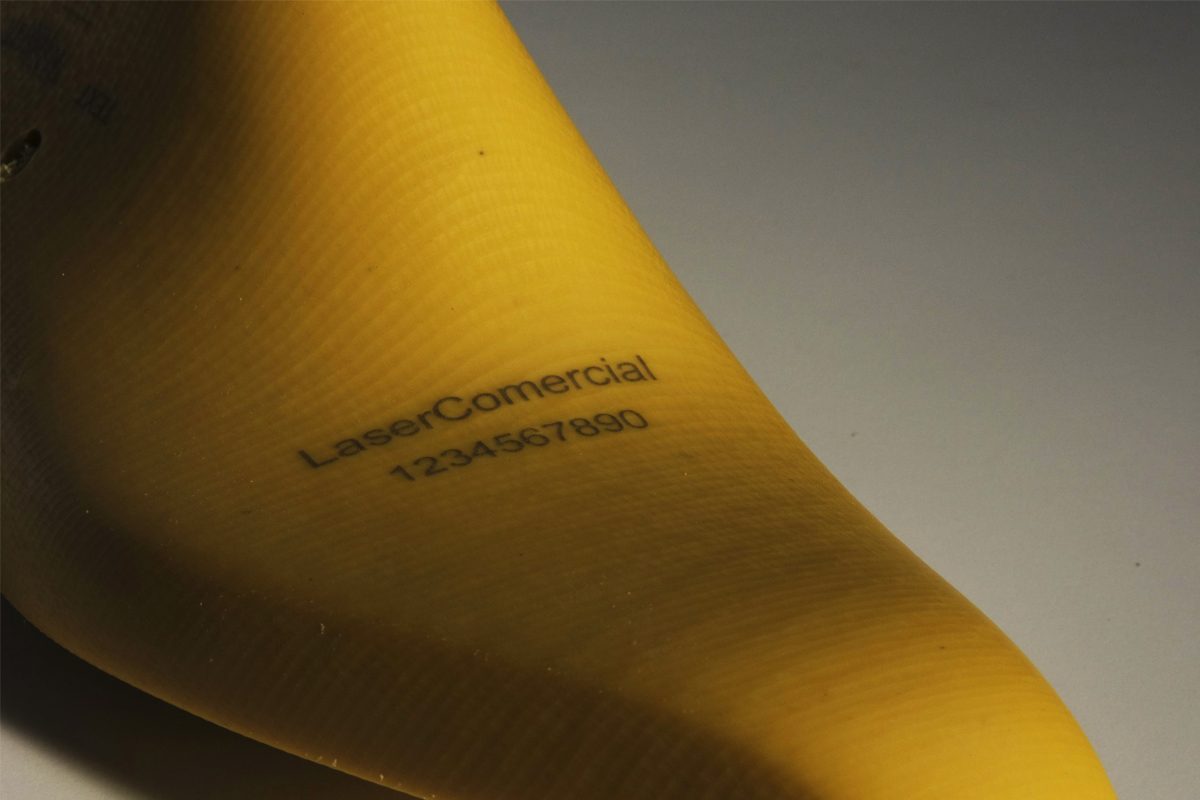
The basic mechanism behind laser marking is the interaction between the laser light and the material. When the laser beam strikes the material’s surface, the energy is absorbed, and the heat generated causes changes to the surface properties of the material. These changes result in a permanent mark. The types of reactions that occur are determined by factors such as the material’s thermal conductivity, composition, and the intensity and wavelength of the laser beam. Some common marking mechanisms include:
- Vaporization: For many materials, the high energy of the laser causes the surface layer to vaporize, leaving behind a permanent mark. This method is common for metals, plastics, and ceramics, producing clean and precise etchings.
- Oxidation/Reduction: In some metals, such as aluminum and steel, laser marking induces oxidation or reduction of the surface material. This creates a color change, often producing dark marks on light-colored metals, such as black on anodized aluminum.
- Ablation: This process involves the removal of material from the surface to create a pattern, engraving, or recess. The laser’s heat removes small layers of material in a controlled manner, often used for deeper and more pronounced marks.
- Etching: Etching is a subset of ablation, where the laser removes a very thin layer of material, typically leaving shallow markings or designs. This method is often used for intricate or fine-textured designs.
Process Workflow and Characteristics
Laser marking is typically an automated, computer-controlled process. The workflow includes the following key steps:
- Design Creation: The first step is creating the design that will be marked onto the material. This can be logos, text, barcodes, QR codes, or intricate patterns. The design is usually generated in graphic design software or CAD programs, which are then converted into machine-readable formats that the laser system can understand.
- Material Setup: Once the design is ready, the material to be marked is placed into the laser system. Depending on the system configuration, the material can be held stationary while the laser head moves across it, or the material may be moved under a stationary laser head. The material must be positioned accurately to ensure consistent marking across the entire surface.
- Laser Parameter Adjustment: Before marking, the operator adjusts the laser settings according to the material type, design complexity, and desired outcome. Key parameters include:
- Laser Power: This determines the energy output of the laser. Higher power levels are typically used for deep engravings or marking harder materials, while lower power levels are suited for surface-level marks or delicate materials.
- Speed: The speed at which the laser head moves across the material determines the depth and texture of the mark. Slower speeds allow for deeper or more detailed markings, while faster speeds are used for quicker, surface-level marks.
- Frequency: The frequency of the laser pulses influences the texture and appearance of the mark. A higher frequency can create smoother, finer marks, while a lower frequency can produce deeper, more prominent marks.
- Focus: The focal point of the laser ensures that the energy is concentrated precisely on the material’s surface. The laser beam must be correctly focused to avoid damaging the material and to produce high-quality marks.
- Marking Process: With the design and laser settings in place, the marking process begins. The laser scans across the material’s surface, creating the intended mark by vaporizing, oxidizing, or ablating the material. Depending on the complexity of the design, the laser may require multiple passes to achieve the desired result.
- Inspection and Post-Processing: After marking, the material may undergo inspection to verify the quality of the mark. This can be done visually or with automated optical systems. If necessary, post-processing steps such as cleaning, coating, or polishing may be applied to enhance the appearance or protect the mark.
- Material Removal or Rework (if necessary): If there is any excess material vaporized or removed during the marking process, further adjustments may be needed to refine the result. This step may involve reworking the material or adjusting the laser parameters for future jobs.
Advantages of Laser Marking
Laser marking offers several key advantages that make it a preferred method in many industries:
- High Precision and Detail: Laser marking provides exceptional accuracy, capable of creating micro-level details, fine text, intricate patterns, and even 3D engravings. The precision allows for the production of highly detailed designs, barcodes, and serial numbers that are critical in fields like electronics and medical devices.
- Durability and Permanence: The marks produced by lasers are highly durable and resistant to wear, fading, and environmental factors such as heat, UV light, chemicals, and abrasions. This permanence is critical for parts and products exposed to harsh conditions, such as automotive parts, aerospace components, and medical devices.
- Non-contact Process: Since laser marking does not involve physical contact with the material, there is no risk of surface damage, wear, or deformation. This is particularly advantageous when working with fragile or soft materials like glass, ceramics, and thin plastics.
- No Consumables: Unlike other methods that require consumables like ink, pads, or stencils, laser marking operates without the need for materials that have to be replenished regularly. This reduces operational costs and minimizes waste, making laser marking an environmentally friendly option.
- Flexibility Across Materials: Laser marking can be used on a wide variety of materials, ranging from metals, plastics, ceramics, and glass to organic materials like wood and leather. This versatility allows it to be used in diverse industries and applications.
- Customization and Quick Changes: Laser systems can easily switch between different designs without the need for new physical setups. This makes them highly suitable for businesses that require customization or low-volume production, such as personalized products, custom branding, or limited-edition runs.
- Environmentally Friendly: Laser marking is a cleaner and greener alternative to many traditional marking methods. It generates no chemical waste, no solvents, and no ink residues. The absence of consumables further reduces its environmental footprint.
Disadvantages of Laser Marking
Despite its numerous advantages, laser marking comes with certain limitations:
- High Initial Investment: The cost of acquiring a laser marking system can be substantial, especially for high-end systems like fiber lasers. The price includes not only the equipment itself but also software, training, and maintenance, which can be a significant investment for smaller businesses.
- Material-Specific Limitations: Some materials, especially highly reflective metals like gold or silver, may present challenges for laser marking, as the laser light may be reflected away from the surface. Additionally, some plastics may warp or discolor when exposed to the laser’s heat, and certain coatings or paints may not mark well.
- Speed for Large Volume Production: Although laser marking is efficient for small-scale runs and detailed designs, it may not be the fastest solution for high-volume production of simple marks. Other methods, such as pad printing or screen printing, may be more suitable for large-volume applications where speed is the primary concern.
- Technical Expertise and Maintenance: Laser marking systems require skilled operators to adjust settings such as power, speed, and focus for optimal results. Additionally, regular maintenance is required to ensure the laser machine operates at peak efficiency, which may involve cleaning lenses, replacing parts, and recalibrating the system.
- Surface Sensitivity: The quality of the marks can be affected by the texture, finish, or condition of the material. Rough, uneven, or coated surfaces may produce inconsistent results, requiring additional preparation or treatment of the material.
Applications of Laser Marking
Laser marking has found applications across a wide range of industries due to its versatility, precision, and durability. Some of the most prominent applications include:
- Automotive Industry: Laser marking is used to engrave part numbers, serial numbers, barcodes, and logos on automotive components such as engine parts, gearboxes, and safety equipment. These markings provide traceability and help ensure quality control.
- Electronics: In electronics, laser marking is used for creating serial numbers, logos, and other identifiers on circuit boards, microchips, and consumer electronics. The precision of laser marking allows for marking small components without damaging the surrounding areas.
- Medical Devices: Laser marking is crucial in the medical field for marking surgical instruments, implants, and diagnostic equipment. Permanent identification and traceability are required for regulatory compliance and patient safety.
- Aerospace: Aerospace components such as turbine blades, fasteners, and structural parts are marked with serial numbers and certification codes to meet strict safety and quality standards. Laser marking ensures that these critical parts are easily identifiable and traceable.
- Jewelry and Luxury Goods: Laser marking is used in the jewelry industry to engrave logos, designs, and serial numbers on precious metals and gemstones. The precision of laser marking allows for intricate, high-quality engravings that are permanent and resistant to wear.
- Consumer Goods and Packaging: Laser marking is also used for branding, product identification, and traceability in consumer goods and packaging. It is particularly effective for marking batch numbers, expiration dates, and barcodes on packaging materials, ensuring product integrity and compliance with regulatory standards.
- Security and Anti-Counterfeiting: Laser marking is increasingly being used for anti-counterfeiting measures. Unique, hard-to-replicate marks can be applied to products such as electronics, pharmaceuticals, and luxury goods to prevent counterfeit activities.
Understanding Pad Printing
Definition and Basic Mechanism
The basic mechanism behind pad printing involves several steps:
- Ink Application: The printing plate, which is etched with the desired design, is coated with ink. The ink is typically applied in a thin layer across the surface of the plate, covering the etched areas.
- Ink Transfer: A silicone rubber pad, which is slightly compressed, is pressed onto the ink-covered plate. The soft pad picks up the ink from the etched design and forms an impression of the pattern or text.
- Transfer to Substrate: The ink-covered pad is then pressed onto the surface of the object to be printed. The pad transfers the ink from the plate onto the substrate, leaving the design in place. The flexibility of the pad allows it to conform to the contours and shape of the object, ensuring that the ink is transferred uniformly, even on curved or irregular surfaces.
Components and Workflow
Pad printing machines consist of several key components that work together to carry out the printing process:
- Cliché (Printing Plate): The cliché is a plate, often made of steel or aluminum, that is engraved with the design to be printed. The etched areas hold the ink, while the raised areas do not. The cliché is typically mounted in a fixture or clamp in the printing machine.
- Pad (Silicone Rubber Pad): The pad is made from a soft silicone rubber, which is used to pick up ink from the cliché and transfer it to the object. The pad is flexible, allowing it to conform to different surface contours. Pads come in various sizes and shapes, depending on the object to be printed and the design’s requirements.
- Ink Cup/Ink System: The ink cup holds the ink used in the printing process. It is typically designed with a scraper that ensures a thin, even layer of ink is applied to the cliché, filling the engraved areas.
- Printing Head: The printing head controls the movement of the pad and the object, ensuring accurate alignment and precise transfer of ink.
- Substrate (Object to be Printed): The substrate is the item being printed, which can range from small electronic parts to large promotional items. The substrate is usually placed in a fixture or on a conveyor belt, ensuring that it is positioned correctly for the printing process.
The pad printing workflow consists of several stages:
- Ink Filling: The ink cup is filled with the appropriate ink, and the plate (cliché) is inked, covering the etched design with a thin layer of ink.
- Pad Pickup: The silicone pad is brought down onto the inked plate, transferring the ink from the etched areas of the cliché to the pad.
- Ink Transfer: The pad is then lowered onto the surface of the object, transferring the ink to the substrate. The ink adheres to the surface in the shape of the design, leaving a clear, precise print.
- Drying and Curing: After the ink is transferred, the print is allowed to dry or cure. Depending on the ink type, this may involve air drying, heat curing, or UV light exposure to ensure that the print is durable and resistant to wear.
Advantages of Pad Printing
Pad printing offers several significant advantages that make it suitable for a variety of applications:
- Ability to Print on Irregular Surfaces: One of the biggest benefits of pad printing is its ability to print on irregular, curved, or textured surfaces. The flexibility of the silicone pad allows it to conform to various shapes, making it ideal for printing on cylindrical, spherical, and concave objects.
- High Print Quality: Pad printing produces high-quality, sharp, and consistent prints with excellent color reproduction. This makes it ideal for printing fine details, logos, text, and intricate graphics with clarity and precision.
- Versatility with Material Types: Pad printing can be used on a wide range of materials, including plastics, metals, glass, ceramics, and rubber. This versatility allows it to serve diverse industries, such as automotive, medical devices, electronics, and promotional products.
- Multi-color Capability: Pad printing can accommodate multi-color prints, which is useful for designs that require more than one color. The use of multiple printing plates and pads allows for high-quality, vibrant, multi-colored designs without significant loss of detail.
- Cost-Effective for Small and Medium Runs: Compared to other printing methods, pad printing is relatively cost-effective for small to medium production runs. The setup costs are lower, and the ability to print directly on items without the need for special preparation or plates reduces overall costs, especially for customization and personalization.
- Durable Prints: The inks used in pad printing are generally very durable and can withstand exposure to light, chemicals, and abrasion. The prints are often resistant to fading, ensuring that the markings remain legible and intact over time.
Applications of Pad Printing
Pad printing is a versatile technique used in a variety of industries for a wide range of applications. Its ability to print on diverse materials and surfaces, as well as its high-quality results, make it suitable for both small-scale and mass production runs.
- Promotional Products: Pad printing is commonly used to print logos, messages, and branding on promotional products such as pens, keychains, drinkware, and USB drives. The ability to print on small or oddly shaped items makes pad printing an ideal choice for this industry.
- Electronics: The electronics industry relies on pad printing to mark circuit boards, computer components, mobile phone parts, and other electronic devices with product information, logos, part numbers, and barcodes. It is particularly useful for printing on small or irregularly shaped electronic components.
- Medical Devices: Pad printing is often used to mark medical devices, such as surgical instruments, diagnostic equipment, and disposable medical products, with essential product information, labels, and logos. The ability to print on both flat and curved surfaces is especially valuable in this sector.
- Automotive: In the automotive industry, pad printing is used to print logos, safety information, and part numbers on automotive components like switches, buttons, knobs, and dashboards. The flexibility of pad printing allows it to handle the complex shapes of automotive parts efficiently.
- Packaging: Pad printing is widely used in the packaging industry to print on bottles, jars, containers, and boxes. It can print both simple and intricate designs on surfaces that may be difficult for other printing methods to handle, such as cylindrical bottles or textured surfaces.
- Toys and Consumer Goods: Toys, sporting equipment, and household items often require pad printing for decoration, branding, and safety information. The ability to print on various substrates, such as plastic, rubber, and metal, makes pad printing ideal for these types of products.
Laser Marking VS. Pad Printing: A Detailed Comparison
Precision and Detail
Laser Marking
Pad Printing
Design Complexity
Laser Marking
Pad Printing
Durability and Longevity
Laser Marking
Pad Printing
Speed and Efficiency
Laser Marking
Pad Printing
Material Compatibility
Laser Marking
Pad Printing
Cost Considerations
Laser Marking
Pad Printing
Environmental Impact
Laser Marking
Pad Printing
Production Flexibility
Laser Marking
Pad Printing
Automation Level
Laser Marking
Pad Printing
Decision Criteria
What is the Geometry of the Surface?
What Material(s) Are You Marking On — Metal, Plastic, Coated Surfaces?
What is the Required Durability of the Mark?
Will the Product Face Abrasion, Chemicals, Heat, UV, Sterilization, or Long-Term Use?
Do You Need Multi-Color Logos or Decorative Graphics?
What is the Production Volume and Batch Variability?
What is Your Budget — Upfront Investment vs. Long-Term Cost?
Do You Value Sustainability and Low Environmental Impact?
Do You Need to Integrate with Automation/Production Lines/Traceability/Data-Driven Manufacturing?
Common Misconceptions and Considerations
Laser Marking Can Print Any Shape
Pad Printing is Obsolete
Laser Marking is Always Cheaper in the Long Run
Ink-based Prints Last if You Use Good Ink
Laser Marking Works on Everything
Choosing Between Laser Marking and Pad Printing
Material Compatibility
One of the most important considerations when choosing between laser marking and pad printing is the type of material you are working with. Both methods are versatile, but they each have their own ideal materials for marking.
- Laser Marking: Laser marking is extremely effective on a wide range of materials, including metals, plastics, ceramics, glass, wood, and even some organic materials like leather. It works by interacting directly with the surface of the material, and the process can be finely tuned to achieve high contrast or deep engravings. This makes laser marking particularly well-suited for metals like stainless steel, aluminum, titanium, and more. However, certain materials, such as highly reflective metals (e.g., gold or silver), can present challenges as the laser beam may not effectively mark these surfaces. Additionally, certain plastics may discolor or warp under the intense heat, so compatibility with specific types of plastics is a critical factor to consider.
- Pad Printing: Pad printing, on the other hand, works well with a wide variety of materials but is particularly effective on plastics, rubber, glass, ceramics, and metals (with the right inks and preparation). Pad printing is ideal for marking objects with irregular surfaces or geometries, which makes it suitable for printing on items like promotional products, medical devices, or automotive parts. However, pad printing often requires specific inks tailored to the substrate, and for some materials, pre-treatment or surface cleaning may be necessary to ensure proper adhesion of the ink.
Surface Geometry
The shape and geometry of the object you’re marking can significantly impact your choice of marking method.
- Laser Marking: Laser marking is most effective on flat or slightly curved surfaces. While laser marking systems can be adapted for cylindrical or irregularly shaped surfaces, they often require special adjustments, such as adjustable focus or custom laser heads, to ensure uniform marking. For highly complex geometries or deep recesses, laser marking may struggle to maintain consistent quality. Therefore, if you’re working with items that have simple shapes and dimensions, laser marking can be an excellent choice, especially for intricate designs.
- Pad Printing: One of the greatest advantages of pad printing is its ability to handle irregular and complex geometries with ease. The soft, flexible silicone pad used in the process can conform to various surface shapes, including curved, spherical, or concave surfaces. This makes pad printing ideal for objects like bottles, medical devices, automotive parts, and promotional items with non-flat surfaces. Pad printing can print on small or large objects with varying shapes, making it especially useful for printing on hard-to-reach areas or items that may be difficult to fit into a laser marking system.
Durability and Longevity
The durability of the mark is a critical consideration, especially when the product will be exposed to harsh conditions such as wear, chemicals, high temperatures, or UV light.
- Laser Marking: Laser marks are permanent and highly durable. The laser alters the surface of the material itself, making the mark resistant to fading, abrasion, chemicals, UV exposure, and extreme temperatures. This makes laser marking ideal for applications where the mark needs to last for the lifetime of the product, such as in automotive, aerospace, medical devices, and electronics. Laser marking can withstand challenging conditions, such as frequent handling, harsh chemicals, or exposure to the elements, without degrading.
- Pad Printing: The durability of pad prints depends on the type of ink used and the surface it is printed on. Ink-based prints tend to sit on the surface of the material, meaning they are more susceptible to wear, fading, scratching, or peeling over time, especially when exposed to chemicals, UV rays, or abrasion. However, with the use of high-quality inks and additional curing methods like UV curing, pad printing can offer reasonable durability for many standard applications. The durability of the print will also depend on the specific substrate and its exposure to environmental factors.
Multi-Color and Complex Designs
For products requiring intricate, multi-colored designs or logos, the method of printing or marking plays a crucial role.
- Laser Marking: Laser marking is generally limited to single-color marks. While you can adjust the depth, intensity, and contrast to create different effects, laser marking typically does not allow for multi-colored designs. If you need a design with multiple colors, you would need to combine laser marking with other processes, such as painting or printing, which adds additional complexity and cost.
- Pad Printing: Pad printing is specifically designed to handle multi-color prints. With pad printing, each color is applied using a separate ink cup and silicone pad, making it highly effective for printing logos, text, or graphics with multiple colors. This makes pad printing an excellent choice for promotional items, product branding, and decorative graphics. While multi-color designs require more setup and multiple printing plates, pad printing is still the most cost-effective option for applying multi-color logos and graphics on items like pens, mugs, or automotive parts.
Production Volume and Batch Variability
The production volume and batch variability are essential factors in choosing between the two technologies.
- Laser Marking: Laser marking is ideal for small to medium production runs or when customization and design variability are important. Because it is a digital process, laser marking systems can easily switch between different designs without requiring new tools or setup. This makes it an excellent choice for applications that require customization or frequent design changes, such as personalized products, product traceability, or serial numbers. Laser marking is also efficient for low- to mid-volume production runs because once the design is set up, the process can be automated, saving time in the long term.
- Pad Printing: Pad printing is more suitable for large-volume production runs where the design remains consistent. It is a highly efficient process for mass-producing identical prints, making it ideal for industries that require thousands of the same product, such as promotional items, toys, or medical devices. However, for small batches or frequent design changes, pad printing can be less efficient, as each design change requires creating a new set of plates, pads, and sometimes inks.
Budget Considerations
The upfront investment and long-term costs are always critical factors in selecting the right technology for your needs.
- Laser Marking: Laser marking systems typically require a higher upfront investment compared to pad printing systems. The cost of the laser equipment, installation, software, and training can be high. However, laser marking has low operational costs because it requires no consumables like ink, pads, or plates, and it requires minimal maintenance. Over time, the lack of ongoing material costs can make laser marking a more cost-effective solution, especially for small runs or frequent design changes.
- Pad Printing: Pad printing systems generally have a lower initial cost, especially when compared to laser marking systems. However, pad printing requires ongoing consumables, such as ink, pads, and plates. These consumables can add up over time, particularly for high-volume or multi-color prints. Additionally, pad printing may involve more labor for setup, especially if different designs or colors are used frequently.
Summary
Get Laser Marking Solutions
Drawing upon years of deep expertise in industrial laser cutting, welding, marking, and cleaning, this article presents information based on practical experience and the latest industry insights. By providing clear and technically sound guidance, it helps readers select the right machines, understand process trade-offs, and optimize workflows.
My goal is to help engineers, shop floor managers, and production decision-makers make informed choices that perfectly combine innovation, quality, and operational efficiency.
Drawing upon years of deep expertise in industrial laser cutting, welding, marking, and cleaning, this article presents information based on practical experience and the latest industry insights. By providing clear and technically sound guidance, it helps readers select the right machines, understand process trade-offs, and optimize workflows.
My goal is to help engineers, shop floor managers, and production decision-makers make informed choices that perfectly combine innovation, quality, and operational efficiency.