
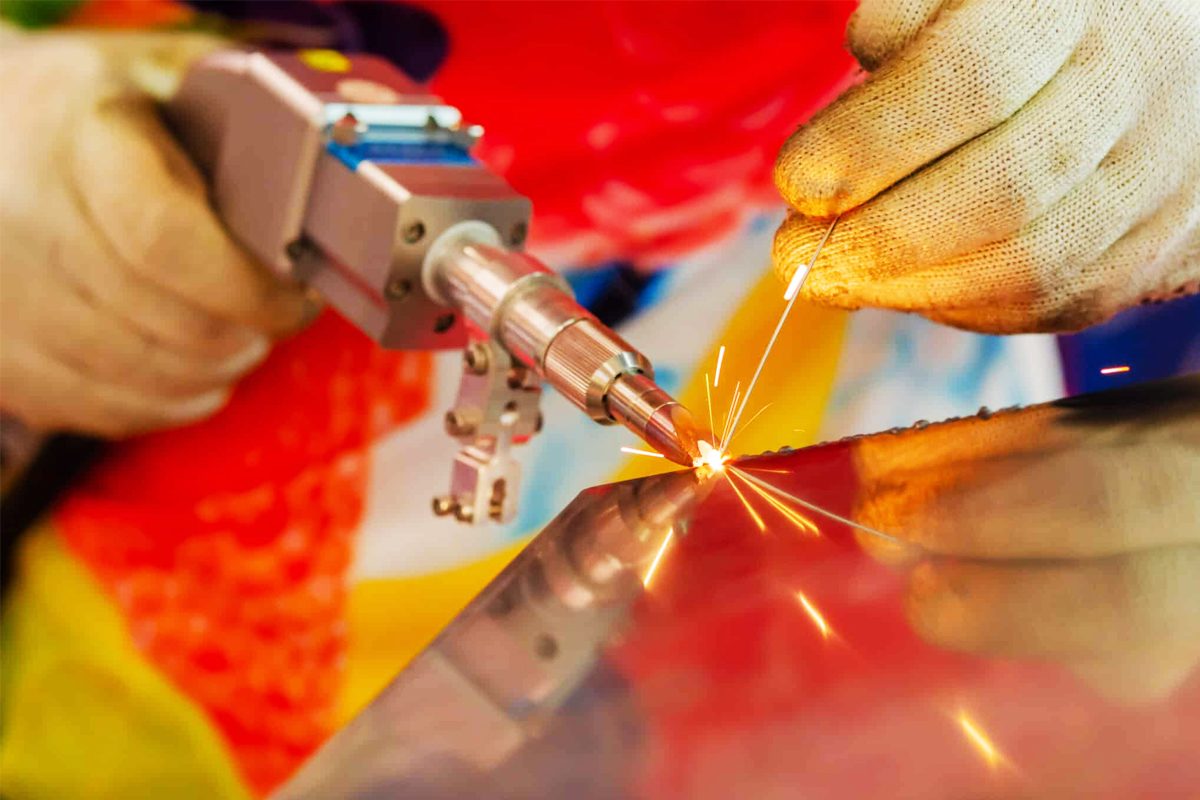
Welding Processes Overview
What is Welding?
Types of Welding
Arc Welding
Arc welding is one of the most widely used welding processes, leveraging the heat generated by an electric arc between an electrode and the workpieces to melt and fuse the materials. The most common types of arc welding are:
- Shielded Metal Arc Welding (SMAW): Also known as stick welding, this process uses a consumable electrode coated with flux to protect the weld pool from contamination by atmospheric gases. It is versatile and can be used in a variety of positions, making it suitable for outdoor and heavy-duty applications.
- Gas Tungsten Arc Welding (GTAW, or TIG welding): In this method, a non-consumable tungsten electrode is used to generate the arc, while a separate filler rod is added to form the weld. The process is highly controlled, allowing for precise, clean welds with minimal spatter, making it ideal for thin materials and applications requiring high-quality welds, such as aerospace and automotive industries.
- Gas Metal Arc Welding (GMAW, or MIG welding): This is a semi-automatic or automatic process where a continuous wire electrode is fed through a welding gun. The process is fast, making it suitable for high-production environments. MIG welding is used extensively in automotive manufacturing and construction, where speed and efficiency are crucial.
Gas Welding
Laser Welding
Resistance Welding
Other Specialized Welding Techniques
- Electron Beam Welding (EBW): This process uses a focused stream of high-velocity electrons to generate heat and melt the workpieces. EBW is often used for welding very thick materials or for applications where deep penetration is needed, such as in aerospace and nuclear industries.
- Friction Welding (FW): In friction welding, heat is generated by the mechanical friction between the workpieces. The materials are pressed together while one of them is rotated, creating sufficient heat to cause the materials to fuse. This process is highly effective for joining dissimilar materials.
- Plasma Arc Welding (PAW): Plasma arc welding is similar to TIG welding, but it uses a constricted arc created by ionizing a gas. This method offers high precision and is ideal for welding thin materials or for applications requiring high-quality welds.
Laser Welding: Principles and Mechanisms
Definition of Laser Welding
How Laser Welding Works
Laser welding operates through a series of well-defined steps:
- Laser Generation: The laser beam is generated by a laser source, such as a CO2 laser, fiber laser, or Nd:YAG laser. The laser light is generated through a stimulated emission of radiation, where energy is supplied to the laser medium (gas, solid-state crystal, or fiber) to excite the atoms or molecules, causing them to emit photons.
- Beam Delivery: Once generated, the laser beam is delivered to the workpiece using mirrors, fiber optics, or lenses. In fiber laser systems, the laser is transmitted through optical fibers, allowing for flexible beam delivery and high power output. In CO2 lasers and Nd:YAG lasers, mirrors are used to guide the beam to the workpiece.
- Focusing: The laser beam is focused into a small, intense spot at the welding location using optical lenses or mirrors. The size of the focal point is critical for controlling the power density of the laser, with smaller focal points allowing for deeper weld penetration and larger focal points creating wider welds.
- Melting and Weld Pool Formation: The laser beam is absorbed by the material, raising the temperature at the point of contact. As the material reaches its melting point, a molten pool is formed. The intensity of the laser ensures that the molten pool is deep enough to fuse the materials together.
- Solidification: Once the laser beam passes, the molten material cools and solidifies, forming a weld. The cooling rate can be controlled to prevent defects such as cracks or excessive distortion, and the weld bead is generally smooth, minimizing the need for post-processing.
- Shielding Gas: To protect the molten pool from oxidation and contamination, shielding gases such as argon, helium, or nitrogen are often used. These gases surround the weld area, providing a protective atmosphere that prevents oxidation or other impurities from affecting the weld quality.
Laser Types Used in Welding
The choice of laser type plays a significant role in the effectiveness of the welding process. Different lasers offer varying levels of power, precision, and versatility depending on the specific welding application.
- CO2 Lasers
- Description: CO2 lasers use a gas mixture of carbon dioxide, nitrogen, and helium to generate infrared light at a wavelength of 10.6 micrometers.
- Advantages: CO2 lasers are highly efficient and capable of delivering high power output, which makes them ideal for welding thick materials such as steel, aluminum, and titanium. They also have a good beam quality and can be used in both continuous and pulsed modes.
- Applications: Commonly used for welding and cutting thicker metals in industries such as aerospace, automotive, and heavy machinery.
- Fiber Lasers
- Description: Fiber lasers use a solid-state medium (optical fibers doped with rare-earth elements like ytterbium) to produce light at a wavelength of 1.06 micrometers in the near-infrared spectrum.
- Advantages: Fiber lasers are known for their high beam quality, energy efficiency, and ability to focus on smaller spots, which makes them ideal for precision welding. They also have superior power density and a smaller heat-affected zone compared to CO2 lasers. Additionally, fiber lasers are more energy-efficient and require less maintenance.
- Applications: Fiber lasers are used in high-precision industries such as electronics, medical devices, and aerospace, especially for welding small components and materials with high reflectivity, like copper.
- Nd:YAG Lasers
- Description: Neodymium-doped Yttrium Aluminum Garnet (Nd:YAG) lasers are solid-state lasers that emit a wavelength of 1.064 micrometers. These lasers are versatile and can operate in both continuous wave and pulsed modes.
- Advantages: Nd:YAG lasers provide high-intensity beams and can deliver deep penetration, making them ideal for welding thick materials. The ability to operate in pulsed mode is particularly useful for welding thin materials or components with varying thicknesses.
- Applications: Nd:YAG lasers are commonly used in medical device manufacturing, jewelry production, and precision micro-welding applications.
Components of Laser Welding Systems
A laser welding system consists of several key components that are essential for the proper functioning of the process. These components work together to generate, deliver, and control the laser beam, ensuring that high-quality welds are produced.
- Laser Source: The laser source generates the beam of light, whether it is a CO2, fiber, or Nd:YAG laser. The power and wavelength of the laser source are important factors that influence the welding process.
- Beam Delivery System: This system is responsible for transmitting the laser beam from the source to the workpiece. It typically includes optical fibers or mirrors that direct the beam accurately to the welding location.
- Focusing Optics: Lenses or mirrors focus the laser beam to a small point on the workpiece, concentrating the energy for efficient welding. The size and focus of the beam can be adjusted to control the depth and width of the weld.
- Welding Head: The welding head holds the laser optics and often includes a nozzle for directing shielding gas to protect the molten pool from contamination. It also enables precise control of the laser beam’s movement along the weld joint.
- Cooling System: Laser welding systems generate significant amounts of heat, and cooling systems are necessary to prevent overheating of the laser components. Water cooling or air cooling is commonly used to maintain optimal operating temperatures.
- Control System: The control system regulates the key parameters of the laser welding process, such as laser power, welding speed, focus position, and shielding gas flow. The control system is typically connected to a computer or programmable logic controller (PLC) for automated operation and process optimization.
Key Parameters in Laser Welding
The success of a laser welding process depends on several key parameters, which must be carefully controlled to ensure high-quality welds. These parameters include:
- Laser Power: Laser power is the amount of energy delivered to the workpiece. Higher power levels lead to deeper penetration and faster welding speeds, while lower power levels are used for thin materials or precise, shallow welds.
- Welding Speed: The speed at which the welding head moves along the joint affects the quality and depth of the weld. A slower welding speed allows for deeper penetration, while faster speeds may result in shallower welds with reduced heat input.
- Beam Focus: The focal point of the laser beam determines the size and intensity of the weld pool. A smaller focus results in a higher power density, which is ideal for deep welds, while a larger focus is used for wider welds with more superficial penetration.
- Pulse Duration (for Pulsed Lasers): For pulsed laser welding, the pulse duration determines how long the laser is applied to the material. Shorter pulses provide lower heat input and are used for precision welding, while longer pulses result in deeper penetration.
- Shielding Gas: Shielding gas is used to protect the molten pool from contamination by atmospheric gases. The type of gas (argon, helium, nitrogen) and its flow rate influence the quality and appearance of the weld.
Types of Laser Welding
Laser welding can be classified into several types based on how the laser beam interacts with the material:
- Continuous Wave (CW) Laser Welding: In CW laser welding, a constant beam of energy is applied to the workpiece. This is ideal for thin materials and high-speed welding processes where a steady and consistent weld is required.
- Pulsed Laser Welding: Pulsed laser welding involves the emission of laser energy in short bursts or pulses. This is useful for welding thin materials or delicate components where heat control is critical, and it helps reduce the risk of thermal damage.
- Keyhole Laser Welding: Keyhole laser welding produces deep, narrow welds by creating a small vaporized hole (keyhole) in the material. The laser beam penetrates deep into the workpiece, making it suitable for thick materials.
- Conduction Laser Welding: This method produces shallow, wide welds by relying on heat conduction into the material. It is often used for thin materials or when high-speed processing is required.
Advantages of Laser Welding
Laser welding offers numerous advantages, including:
- Precision: Laser welding provides extremely precise control over the weld location, size, and depth, making it ideal for small, complex parts.
- Minimal Heat-Affected Zone (HAZ): The concentrated energy of the laser reduces the heat-affected zone, preventing thermal damage to surrounding material.
- Clean Welds: The laser’s focused energy produces clean, smooth welds with minimal spatter or post-weld cleanup.
- Speed and Efficiency: Laser welding is a fast process, especially when automated, making it suitable for high-volume manufacturing environments.
- Versatility: Laser welding can be used on a wide range of materials, including metals, plastics, and dissimilar materials.
Disadvantages of Laser Welding
While laser welding offers many advantages, there are some drawbacks to consider:
- High Initial Costs: The equipment for laser welding, particularly high-powered fiber lasers or CO2 lasers, can be expensive.
- Material Reflectivity: Materials with high reflectivity, such as copper or gold, can be difficult to weld because they reflect much of the laser energy, reducing efficiency.
- Complex Setup: Laser welding systems require precise calibration and adjustment of parameters to achieve optimal results, which can be challenging for operators without sufficient training.
Applications of Laser Welding
Laser welding is widely used across a variety of industries, including:
- Automotive Industry: Laser welding is used to join small, complex parts like fuel injectors, exhaust systems, and body panels in automotive manufacturing.
- Aerospace: Aerospace components, such as turbine blades and structural parts, are often welded using lasers due to the need for high precision and low thermal distortion.
- Electronics: Laser welding is essential for micro-welding applications, such as joining small connectors, sensors, and circuit boards.
- Medical Devices: In the medical field, laser welding is used for delicate procedures, such as joining stents, surgical tools, and implants.
- Jewelry: Laser welding enables the precise welding of precious metals for the production and repair of jewelry.
Resistance Welding: Principles and Mechanisms
Definition of Resistance Welding
How Resistance Welding Works
The principle behind resistance welding is based on the conversion of electrical energy into heat through resistance. The process involves the following steps:
- Contacting the Workpieces: The metal workpieces to be welded are placed in contact with each other between two electrodes. These electrodes are typically made of copper, which has a low electrical resistance and can efficiently conduct electricity. The contact between the pieces is critical, as the quality of the weld depends on a solid connection at the interface.
- Application of Current and Pressure: Once the workpieces are properly positioned, a high electrical current is passed through the metal pieces. As current flows through the materials, the electrical resistance at the interface between the workpieces generates heat. At the same time, pressure is applied by the electrodes to hold the pieces together.
- Formation of the Weld: The heat generated by the electrical resistance causes the material at the interface to melt, forming a molten weld pool. The pressure from the electrodes ensures that the molten material stays in place during solidification, creating a bond. After the current is turned off, the molten metal solidifies, forming a strong weld at the joint.
- Cooling and Solidification: Once the heat source is removed, the weld area cools rapidly. The pressure is maintained until the weld has solidified completely, ensuring the joint remains strong and secure.
Key Parameters in Resistance Welding
Several key parameters influence the success and quality of a resistance weld:
- Current: The amount of electrical current passed through the workpieces is a critical parameter. Higher current generates more heat, which is necessary for welding thicker or more conductive materials. However, excessive current can cause overheating and burn-through of the workpieces.
- Welding Time: The duration of the current flow, or welding time, is also crucial. Too short a time may result in insufficient heat generation and a weak weld, while too long a time can lead to excessive heat input, distortion, or material damage.
- Electrode Pressure: The pressure applied by the electrodes affects the quality of the weld. Adequate pressure ensures good contact between the workpieces and helps to prevent porosity and other weld defects. However, excessive pressure can lead to deformation of the workpieces.
- Electrode Size and Shape: The size and shape of the electrodes determine how the current is applied to the workpieces. A larger electrode surface spreads the current over a wider area, while a smaller electrode can focus the heat more precisely on the weld area.
- Material Conductivity: The electrical conductivity of the materials being welded affects the efficiency of the process. Materials with high conductivity, such as copper, require different welding conditions than those with lower conductivity, such as stainless steel.
- Cooling Time: After welding, the workpieces need time to cool and solidify. The rate at which they cool can affect the strength of the weld, as rapid cooling may cause cracking or brittleness in some materials.
Types of Resistance Welding
Resistance welding is a versatile technique with several variations, each suited to different applications. The most common types of resistance welding include:
- Spot Welding: Spot welding is the most common form of resistance welding, particularly used for joining sheet metal. In spot welding, two electrodes apply pressure to the workpieces, creating a small, localized weld at the contact points. The resulting weld is typically round and has a high strength-to-size ratio. Spot welding is widely used in automotive manufacturing for joining body panels.
- Seam Welding: Seam welding is similar to spot welding but involves continuous welding along a joint. It is used for creating continuous seams, such as in the manufacture of tanks, pipes, and welded metal drums. In seam welding, rotating electrodes are used to apply current along the joint, creating a continuous weld.
- Projection Welding: Projection welding is used for joining parts with raised areas (projections) that concentrate the heat at specific points. The projections focus the current flow to form localized welds, making this method ideal for joining parts with uneven surfaces or for attaching fasteners, such as bolts or nuts, to sheet metal.
- Butt Welding: Butt welding involves welding two pieces of metal edge-to-edge. This method is commonly used for welding parts of equal or similar thicknesses, such as in the production of wire or thin metal sheets. Butt welding is often used for joining ends of materials in industries such as electronics and automotive manufacturing.
- Flash Welding: Flash welding uses a combination of pressure and electrical current to weld metal pieces together. Flash welding is often used for joining larger or thicker materials and can create very strong joints. It is widely used in the manufacturing of large-scale products like rails, pipes, and heavy-duty components.
Components of Resistance Welding Systems
A typical resistance welding system consists of several key components, each playing a critical role in the welding process:
- Power Supply: The power supply generates the electrical current required for the welding process. It must be capable of providing consistent, high-current pulses to ensure the materials are heated appropriately.
- Electrodes: Electrodes are used to apply the current to the workpieces and apply pressure to hold the parts together. Electrodes are typically made from copper or copper alloys due to their good conductivity and durability under high temperatures.
- Control System: The control system manages the welding process, regulating parameters such as current, welding time, electrode pressure, and cooling time. Modern resistance welding systems often feature automated controls for consistent weld quality.
- Cooling System: Resistance welding generates significant heat, so cooling systems are necessary to prevent overheating of the electrodes and other components. Water-cooled systems are commonly used to keep electrodes at optimal temperatures during high-volume welding.
- Fixtures and Jigs: Fixtures and jigs are used to hold the workpieces in place during the welding process. Accurate positioning of the parts is essential for achieving high-quality welds, particularly in automated production environments.
Advantages of Resistance Welding
Resistance welding offers several key advantages, particularly in high-volume manufacturing settings:
- High-Speed Process: Resistance welding is a fast process, with welding times measured in milliseconds. This makes it ideal for mass production of parts that require repeated welding of similar joints.
- No Filler Material Required: Unlike other welding methods, resistance welding does not require filler material, simplifying the process and reducing material costs.
- Minimal Heat-Affected Zone (HAZ): The heat is concentrated at the joint, resulting in a smaller heat-affected zone compared to other welding techniques, which helps to preserve the material properties of the surrounding area.
- Consistency and Reliability: Resistance welding is highly repeatable, making it ideal for mass production. The process is automated, ensuring consistent weld quality with minimal variation from part to part.
- Low Operational Costs: Once the equipment is set up, the operational costs of resistance welding are relatively low compared to other techniques, especially in high-volume production runs.
Disadvantages of Resistance Welding
While resistance welding has many benefits, it also comes with some limitations:
- Limited to Thin Materials: Resistance welding is most effective for welding thin sheets of metal. It is less suitable for thicker materials, which require more energy and longer welding times.
- Equipment Costs: While operational costs are relatively low, the initial investment in resistance welding equipment can be significant, particularly for automated systems.
- Requires Precise Alignment: For resistance welding to work effectively, the workpieces must be precisely aligned. Misalignment can result in poor weld quality or joint failure.
- Electrode Wear: Electrodes used in resistance welding wear out over time and must be periodically replaced or reconditioned. This can add to maintenance costs, particularly in high-volume production.
Applications of Resistance Welding
Resistance welding is widely used in industries where speed, efficiency, and strength are critical. Common applications include:
- Automotive Industry: Resistance welding, particularly spot welding, is used extensively in automotive manufacturing for welding body panels, structural components, and exhaust systems.
- Aerospace: In aerospace, resistance welding is used for joining sheet metal components, particularly for lightweight and high-strength applications.
- Electronics: Resistance welding is used in the electronics industry to join components such as batteries, connectors, and circuit boards.
- Appliance Manufacturing: Household appliances, such as refrigerators, washing machines, and microwaves, often employ resistance welding for joining metal parts and assembling components.
- Construction: Resistance welding is used for manufacturing steel reinforcement mesh and other construction materials that require high-strength joints.
Comparison: Laser Welding vs. Resistance Welding
Heat Generation and Control
- Laser Welding: Laser welding uses a highly concentrated laser beam that focuses intense heat onto the material to create a weld. The energy from the laser is highly focused and localized, which allows for precise control of the heat-affected zone (HAZ) and minimizes thermal distortion. The ability to focus the laser beam allows for precise penetration depth, meaning the process can easily be adjusted for different material thicknesses. This level of precision makes laser welding ideal for delicate and complex geometries or where minimal heat input is critical, such as in electronics or thin-walled components. Additionally, the heat input can be controlled by adjusting the laser’s power, pulse frequency (for pulsed laser welding), and focus, offering excellent versatility. The ability to work with low heat inputs makes laser welding an attractive choice for materials sensitive to thermal damage.
- Resistance Welding: In contrast, resistance welding relies on the heat generated by the electrical resistance at the interface between the two workpieces. When a high electrical current passes through the metals under pressure, the resistance at the contact points generates heat, which causes localized melting. The heat is highly concentrated at the weld interface but can spread across the surrounding material, leading to a larger heat-affected zone (HAZ). While this process is efficient for joining thin sheet metals, the heat generation is less controllable than in laser welding. Factors like electrode contact influence the heat distribution, the pressure applied, and the material’s conductivity, which can make it more challenging to control the thermal input precisely. This can sometimes result in larger HAZ, increasing the risk of thermal distortion or degradation of material properties in surrounding areas.
Energy Efficiency
- Laser Welding: Laser welding is generally more energy-efficient than resistance welding. The reason for this is the high concentration of energy in the focused laser beam, which delivers energy directly to the weld site with minimal waste. The laser energy is absorbed by the material at the point of contact, and the rest of the system experiences low energy loss. Modern fiber lasers, in particular, are highly efficient, converting a significant portion of the electrical input into usable laser light. Fiber lasers offer efficiencies of around 30-35%, making them suitable for applications where energy consumption is a concern. Furthermore, laser welding can be precisely controlled, meaning energy is applied only when and where it’s needed, reducing overall energy consumption.
- Resistance Welding: Resistance welding, while effective, tends to be less energy-efficient than laser welding. The process requires a considerable amount of electrical power to generate the necessary heat to melt the materials at the interface. Though the process directly applies energy to the weld area, the surrounding materials and electrodes also absorb significant amounts of heat, leading to energy loss. In high-volume production settings, these losses can add up, especially when the electrodes require cooling to prevent overheating. While the efficiency of resistance welding depends on the specific setup and welding time, the process is generally less efficient than laser welding, especially when used for larger parts or thicker materials.
Material Compatibility
- Laser Welding: Laser welding is highly versatile when it comes to material compatibility. It can be used to weld a wide variety of metals, including ferrous and non-ferrous metals, high-strength alloys, aluminum, titanium, and even certain plastics and composites. It is particularly effective for materials with thin sections and those that are difficult to weld with conventional methods. The precision and ability to focus on specific areas without affecting large portions of the material make it ideal for delicate and high-strength alloys. However, the reflective nature of certain materials, particularly metals like copper, gold, and silver, can reduce the effectiveness of laser welding, as these materials reflect much of the laser energy. Special adjustments, such as higher power lasers or coatings, are sometimes needed when welding highly reflective materials.
- Resistance Welding: Resistance welding is most effective with metals that have good electrical conductivity, such as low-carbon steels, stainless steel, aluminum, and copper alloys. It excels at welding thin sheet materials, particularly in industries like automotive manufacturing, where sheet metal needs to be joined quickly and reliably. However, it is less suitable for materials that have low electrical conductivity or high reflectivity, such as brass or pure copper. Materials with low conductivity do not generate sufficient heat when current is passed through them, making it difficult to achieve proper weld formation. Additionally, for very thick materials or high-strength alloys, resistance welding may struggle to produce high-quality welds unless special techniques (such as multi-pass welding) are employed.
Weld Quality
- Laser Welding: Laser welding produces high-quality welds with minimal spatter and distortion. Due to the focused energy from the laser, it typically results in a narrow heat-affected zone (HAZ), which reduces the risk of thermal distortion or changes in material properties around the weld. This is particularly advantageous for precision applications, such as in electronics and aerospace, where high strength and cosmetic quality are important. The controlled heat input also helps in preventing common welding defects such as porosity, undercutting, or cracking, ensuring that the weld is clean and uniform. Laser welding can also be automated for consistent results, ensuring high repeatability in mass production.
- Resistance Welding: While resistance welding produces strong and reliable welds, the overall weld quality can be more variable compared to laser welding. The quality of the weld is heavily dependent on the precise control of key parameters such as current, pressure, and welding time. If these factors are not properly controlled, the welds can suffer from defects such as burn-through, inconsistent penetration, or excessive spatter. The larger heat-affected zone associated with resistance welding can also result in distortion or hardness changes in the surrounding material. However, when properly executed, resistance welding produces strong, durable welds, particularly in applications involving thin sheet metals.
Welding Speed
- Laser Welding: Laser welding is one of the fastest welding processes, especially for applications requiring precision and thin materials. The focused laser beam can rapidly melt the material, allowing for high welding speeds, even with deep penetration. Since the process is highly controlled, laser welding can be optimized for both speed and quality, making it ideal for industries where high throughput is required. Laser welding can also be automated, further increasing its speed and making it suitable for continuous, high-volume manufacturing.
- Resistance Welding: Resistance welding is also a fast process, particularly when spot welding thin sheet metals. A typical spot weld can be completed in milliseconds, which is ideal for mass production environments where speed is critical. The rapid heating and cooling cycle in resistance welding allow for high-speed joining of components, which is why it is commonly used in the automotive industry for assembling car bodies. However, for thicker materials or more complex welds, the speed of resistance welding may be slower compared to laser welding, as more time is required to apply sufficient current and pressure for larger parts.
Equipment and Setup
- Laser Welding: Laser welding systems require a more sophisticated setup compared to resistance welding. The key components of a laser welding system include the laser source (CO2, fiber, or Nd:YAG lasers), beam delivery system (fiber optics or mirrors), focusing optics, cooling system, and control system. The initial cost of laser welding equipment can be quite high, particularly for fiber lasers or industrial-grade CO2 lasers. Additionally, regular maintenance is needed to ensure the laser’s performance remains optimal. Laser welding systems are often automated for high-volume production, which requires specialized programming and system calibration. The complexity of the setup makes it better suited for applications requiring high precision and lower production volumes.
- Resistance Welding: Resistance welding systems are generally simpler and less expensive to set up compared to laser welding systems. The basic components of a resistance welding system include a power supply, electrodes, and a control system to regulate welding parameters. Since the setup primarily involves electrical components, resistance welding is often quicker to install and calibrate, making it suitable for large-scale manufacturing environments. The equipment itself is robust and tends to be more durable and easier to maintain, with less sophisticated control systems compared to laser welding. Resistance welding is often automated for high-volume applications, and the ease of setup and maintenance make it a preferred choice for industries like automotive manufacturing.
Cost
- Laser Welding: The cost of laser welding is generally higher than resistance welding due to the initial investment in the equipment, which includes the laser source, optics, and cooling systems. The high cost of fiber lasers and CO2 lasers, along with the need for precise calibration and maintenance, means that laser welding is more expensive upfront. However, laser welding can offer long-term savings in industries where high-quality, precise, and low-distortion welds are required. Additionally, laser welding’s ability to weld a variety of materials, including dissimilar metals and thin components, can justify the higher initial cost in specialized applications.
- Resistance Welding: Resistance welding tends to be less expensive in terms of both initial investment and operational costs. The equipment required for resistance welding is simpler and less costly compared to laser welding systems. Since resistance welding does not require filler materials and has a more straightforward setup, the operational costs are generally lower. However, the cost of electrodes, the need for cooling systems, and occasional maintenance may add up in high-volume production settings. Resistance welding is more cost-effective in industries that require the joining of thin sheet metals, such as automotive assembly, where speed and volume are prioritized over precision.
Factors Affecting the Choice of Welding Method
Material Type and Thickness
The type and thickness of the material being welded is one of the most important factors when choosing between laser welding and resistance welding. Different welding methods have different levels of compatibility with various materials.
- Laser Welding: Laser welding is highly versatile and can be used to weld a wide variety of materials, including ferrous metals, non-ferrous metals (e.g., aluminum, copper), plastics, and even certain composites. Laser welding is particularly effective for thin materials, and its precision allows it to be used for delicate and high-strength materials that are difficult to weld with traditional methods. It is also well-suited for welding dissimilar metals, a challenge for many other welding processes.
- Resistance Welding: Resistance welding, on the other hand, is best suited for materials that have good electrical conductivity, such as low-carbon steels, stainless steel, and certain non-ferrous metals like aluminum and copper alloys. It works particularly well for thin to moderately thick sheet materials. While resistance welding can handle thicker materials with adjustments, its performance diminishes as material thickness increases. Resistance welding is also less effective for highly reflective or low-conductivity materials (e.g., gold, pure copper) due to the difficulty in generating sufficient heat at the joint.
Weld Quality and Precision
The desired weld quality and the level of precision required are critical factors that influence the choice of welding method.
- Laser Welding: Laser welding offers exceptional precision, making it ideal for high-precision applications. The ability to focus the laser beam precisely on a specific area allows for minimal heat input, resulting in a narrow heat-affected zone (HAZ). This leads to high-quality welds with minimal distortion, a crucial factor when working with thin or complex components. Laser welding produces clean, high-strength welds, with minimal spatter or post-weld cleanup required. This method is particularly beneficial in industries where aesthetic appearance and tight tolerances are critical, such as in electronics, aerospace, and medical device manufacturing.
- Resistance Welding: While resistance welding is effective at producing strong, reliable welds, it generally offers less precision compared to laser welding. The heat distribution in resistance welding is less controlled, and the process can result in a larger HAZ, which can lead to more distortion, especially with thick materials. The overall weld quality can vary depending on the precise control of parameters such as current, pressure, and time. While the welds produced by resistance welding are typically strong and durable, they may not have the clean, high-quality finish associated with laser welding.
Production Volume and Speed
The production volume and speed at which welding needs to be completed is another deciding factor between the two welding methods.
- Laser Welding: Laser welding is typically faster than many traditional methods, especially for precision tasks. The speed of the process can be further optimized when automated, making it well-suited for low to medium-volume production with high-quality requirements. Laser welding is also ideal for high-throughput production of intricate, small components, as the process can be automated for continuous operation. However, for very high-volume production lines, such as those in automotive manufacturing, the setup and operational costs of laser welding may make it less cost-effective when compared to resistance welding.
- Resistance Welding: Resistance welding excels in high-volume, repetitive production environments. Spot welding, in particular, is extremely fast, and the process can be completed in milliseconds, making it ideal for industries like automotive manufacturing, where hundreds or thousands of parts need to be welded rapidly. The equipment can be easily automated, and once set up, resistance welding can perform continuously without much downtime. The high speed of the process, combined with its ability to handle large production volumes, makes it an excellent choice for mass production applications, particularly in industries that require consistent, high-quality welds on thin materials.
Cost Considerations
Cost is often one of the most important factors when choosing a welding method, especially for high-volume applications.
- Laser Welding: Laser welding systems tend to have a higher initial investment due to the cost of the laser source, optics, and cooling systems. The cost of operating a laser welding system can also be higher compared to resistance welding, especially in high-volume applications, due to the need for specialized maintenance and calibration. However, the precision and versatility of laser welding can justify the higher upfront cost in industries where high-quality, low-distortion welds are required. Additionally, laser welding’s energy efficiency can reduce long-term operational costs, making it an attractive option for high-precision, low-to-medium-volume production.
- Resistance Welding: The initial cost of resistance welding equipment is generally lower than that of laser welding, making it more cost-effective for high-volume production. The simpler setup, lower maintenance requirements, and lack of expensive consumables (such as laser optics) make resistance welding an attractive choice in mass production environments. Additionally, the fast welding speed of resistance welding helps reduce labor costs, particularly in automated systems. For industries where the primary need is speed and high-volume throughput, resistance welding offers a more affordable option in both initial investment and operational costs.
Automation and Complexity of Setup
The complexity of setting up and automating the welding process is another key consideration, particularly in industries with large-scale production needs.
- Laser Welding: Laser welding systems are typically more complex to set up and require sophisticated programming and calibration, especially when working with advanced lasers like fiber lasers or CO2 lasers. The system requires precise alignment, beam focusing, and temperature control to ensure optimal results. While automation is possible and often used in laser welding for high-volume production, the level of expertise required to maintain and operate these systems can be higher. Additionally, the setup time for laser welding equipment can be longer compared to simpler systems like resistance welding.
- Resistance Welding: Resistance welding is generally easier to set up and automate, making it ideal for high-volume production lines where speed and consistency are paramount. The systems are simpler, and the required parameters (such as current and time) are typically easier to adjust. The simplicity of the setup, coupled with the rapid automation potential, allows resistance welding to be deployed quickly in mass production settings. While some level of precision is still required, especially for complex parts, resistance welding systems generally have a lower barrier to entry in terms of setup complexity.
Environmental Impact
In some cases, the environmental considerations of the welding process may influence the choice of method.
- Laser Welding: Laser welding typically generates minimal fumes and pollutants since the laser beam is focused precisely on the work area, limiting material waste and ensuring a cleaner process overall. However, the energy consumption of laser systems can be high, particularly when operating at full capacity or in high-power applications. Environmental considerations should account for the energy efficiency of the laser system and whether the process is part of an environmentally friendly production line.
- Resistance Welding: Resistance welding generates less energy waste compared to traditional arc welding, and it doesn’t require the use of hazardous chemicals or gases. However, it does produce significant amounts of heat, which may necessitate cooling systems that consume additional energy. In high-volume production, the increased energy consumption for cooling electrodes and managing heat can be a consideration for companies looking to minimize their environmental impact.
Comparison of Practical Application Scenarios
Automotive Industry
The automotive industry is one of the largest users of both laser and resistance welding, and each method plays a crucial role in the manufacturing of vehicles, from body panels to smaller components.
- Laser Welding: Laser welding is commonly used in the automotive sector for joining high-strength, lightweight materials, such as aluminum and advanced steel alloys. These materials are increasingly used in car manufacturing to improve fuel efficiency and reduce weight. Laser welding is also employed for complex, high-precision welding tasks, such as welding structural components, battery packs, and intricate parts found in electric vehicles (EVs). The precision and minimal heat-affected zone (HAZ) of laser welding make it ideal for joining delicate parts where minimal distortion is required, such as welding thin sheet metals or parts with tight tolerances. Additionally, laser welding is used for joining dissimilar materials, which is becoming more common as cars incorporate a variety of different alloys and materials for better performance.
- Resistance Welding: Resistance welding, particularly spot welding, is the go-to method for joining thin sheet metals, especially in mass production of car bodies. Spot welding is highly efficient for high-volume operations because of its speed, simplicity, and ability to produce strong welds in a matter of milliseconds. It is used extensively in assembly lines for the production of car doors, hoods, roofs, and other body panels. Resistance welding is favored in the automotive industry due to its ability to produce reliable and consistent welds on thin sheets, making it ideal for mass production of automotive parts. The rapid speed of resistance welding ensures minimal production time and high throughput, which is essential in automotive manufacturing.
Aerospace Industry
The aerospace industry requires high-precision welding to ensure the structural integrity and safety of aircraft components. Both laser and resistance welding are employed in this field, though their applications vary due to the different demands of aerospace manufacturing.
- Laser Welding: In aerospace manufacturing, laser welding is often used to join high-strength alloys, titanium, and other materials commonly used in the production of aircraft and spacecraft. The ability to focus the laser precisely allows for the creation of deep, narrow welds, which is crucial for maintaining the integrity of critical aerospace components such as turbine blades, engine parts, and structural elements. Laser welding’s minimal heat-affected zone is particularly advantageous for preventing thermal distortion in sensitive components, which is a significant concern when working with materials that require exacting standards. Additionally, the precision of laser welding allows for welding thin-walled components and fine, intricate parts without compromising on strength or safety.
- Resistance Welding: Resistance welding in aerospace is typically used for smaller components or where high-speed welding of sheet metal is required. It is less common than laser welding in aerospace due to the high precision required in many applications. However, resistance welding may be used for assembling parts like electrical connectors or for manufacturing specific small components where fast, reliable welds are needed. The method is useful for assembling aircraft subcomponents, where the focus is on the speed of production rather than the fine tolerances required for critical joints.
Electronics Industry
The electronics industry relies on high-precision, clean, and consistent welds for components such as sensors, connectors, batteries, and circuit boards. Both laser and resistance welding are used, depending on the type of part being manufactured and the requirements for precision.
- Laser Welding: In the electronics industry, laser welding is primarily used for joining small, delicate components that require precision and minimal heat distortion. Laser welding’s ability to focus the beam with high accuracy allows it to join thin metals such as copper and gold, which are often used in electronics due to their high conductivity. The process is also employed in the assembly of electronic devices, where components such as battery packs, connectors, and switches must be welded with great precision to avoid damage to sensitive parts. The small, clean welds produced by laser welding are ideal for applications where high-quality standards and minimal disruption to the surrounding components are crucial.
- Resistance Welding: Resistance welding is also used in electronics, primarily for assembling components that do not require the high level of precision that laser welding offers. For example, resistance welding is often used for welding terminals to wires, creating strong electrical connections in components like switches, circuit breakers, and other larger electronic parts. The process is particularly effective for high-volume production where speed is essential, and the application of pressure and electrical current is well-suited for joining conductive materials used in electronics manufacturing.
Medical Device Manufacturing
The medical device industry demands high-precision, reliable, and clean welds for critical components used in healthcare, such as implants, surgical tools, and diagnostic equipment. Both welding methods are utilized, but the choice depends on the complexity and material requirements of the device.
- Laser Welding: Laser welding is particularly well-suited for the medical device industry due to its precision and the ability to work with biocompatible materials such as titanium and stainless steel. Laser welding is commonly used to join components of implants, such as hip and knee replacements, where precise welds are essential for the integrity and safety of the device. The ability to weld small, intricate parts with minimal heat input ensures that the surrounding material properties remain unchanged, which is crucial in the highly regulated medical field. The process is also useful for creating hermetic seals in medical devices, ensuring sterility and functionality in implants and surgical tools.
- Resistance Welding: While less common than laser welding in medical device manufacturing, resistance welding can still be used for simpler parts or components that do not require the same level of precision. For example, resistance welding might be used to join parts of larger devices or tools, such as frames or housings, where strength is more critical than appearance or precision. In these applications, resistance welding offers the speed and efficiency needed for high-volume production, but it is typically not used for the more intricate and precision-demanding aspects of medical device manufacturing.
Jewelry Manufacturing
In jewelry manufacturing, where precision and aesthetic quality are paramount, the choice of welding method can significantly affect the final product. Both laser and resistance welding are used, depending on the material and the specific requirements of the jewelry piece.
- Laser Welding: Laser welding is widely used in jewelry manufacturing due to its ability to produce precise, clean, and aesthetically pleasing welds. The ability to focus the laser on a small area allows jewelers to repair delicate pieces or join intricate designs without affecting the surrounding material. Laser welding is especially effective when working with precious metals like gold, platinum, and silver, which require precision due to their high value and the need for aesthetically flawless welds. The minimal heat-affected zone reduces the risk of discoloration or distortion in the surrounding material, which is essential when working with valuable, heat-sensitive metals.
- Resistance Welding: Resistance welding in jewelry manufacturing is typically used for joining larger or less delicate pieces, where speed and strength are more important than the fine quality of the weld. It can be used for joining thicker components or for mass-producing certain types of jewelry, such as rings or bracelets. However, resistance welding is less ideal for detailed work or fine jewelry, as it can leave a larger heat-affected zone and potentially distort the design.
Choosing Between Laser Welding and Resistance Welding
Conditions for Choosing Laser Welding
High Precision and Fine Welds
Welding of Dissimilar or High-Strength Materials
Thin Materials and Complex Geometries
Minimal Heat Distortion and Clean Welds
Automation and High-Volume Production
Conditions for Choosing Resistance Welding
High-Volume, Repetitive Production
Welding Thin Sheet Metals
Simple Joints with Less Precision
Cost-Effective for High-Speed Manufacturing
Durability and Strength of Welds
Low Heat Input and Minimal Distortion in Thin Materials
Summary
Get Laser Welding Solutions
Drawing upon years of deep expertise in industrial laser cutting, welding, marking, and cleaning, this article presents information based on practical experience and the latest industry insights. By providing clear and technically sound guidance, it helps readers select the right machines, understand process trade-offs, and optimize workflows.
My goal is to help engineers, shop floor managers, and production decision-makers make informed choices that perfectly combine innovation, quality, and operational efficiency.
Drawing upon years of deep expertise in industrial laser cutting, welding, marking, and cleaning, this article presents information based on practical experience and the latest industry insights. By providing clear and technically sound guidance, it helps readers select the right machines, understand process trade-offs, and optimize workflows.
My goal is to help engineers, shop floor managers, and production decision-makers make informed choices that perfectly combine innovation, quality, and operational efficiency.