Laser Cutting VS Flame Cutting

This article compares laser cutting and flame cutting, exploring their differences in precision, material versatility, speed, cost, and applications to help industries choose the right cutting method.
Home » Blog » Laser Cutting VS Flame Cutting
Laser Cutting VS Flame Cutting
In modern manufacturing, precision and efficiency are paramount, especially when it comes to cutting materials. Among the various methods available, laser cutting and flame cutting are two of the most widely used techniques for metal fabrication. Each method has its own set of advantages, limitations, and ideal applications, making it essential for manufacturers to choose the right cutting technology for their specific needs.
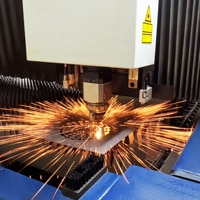
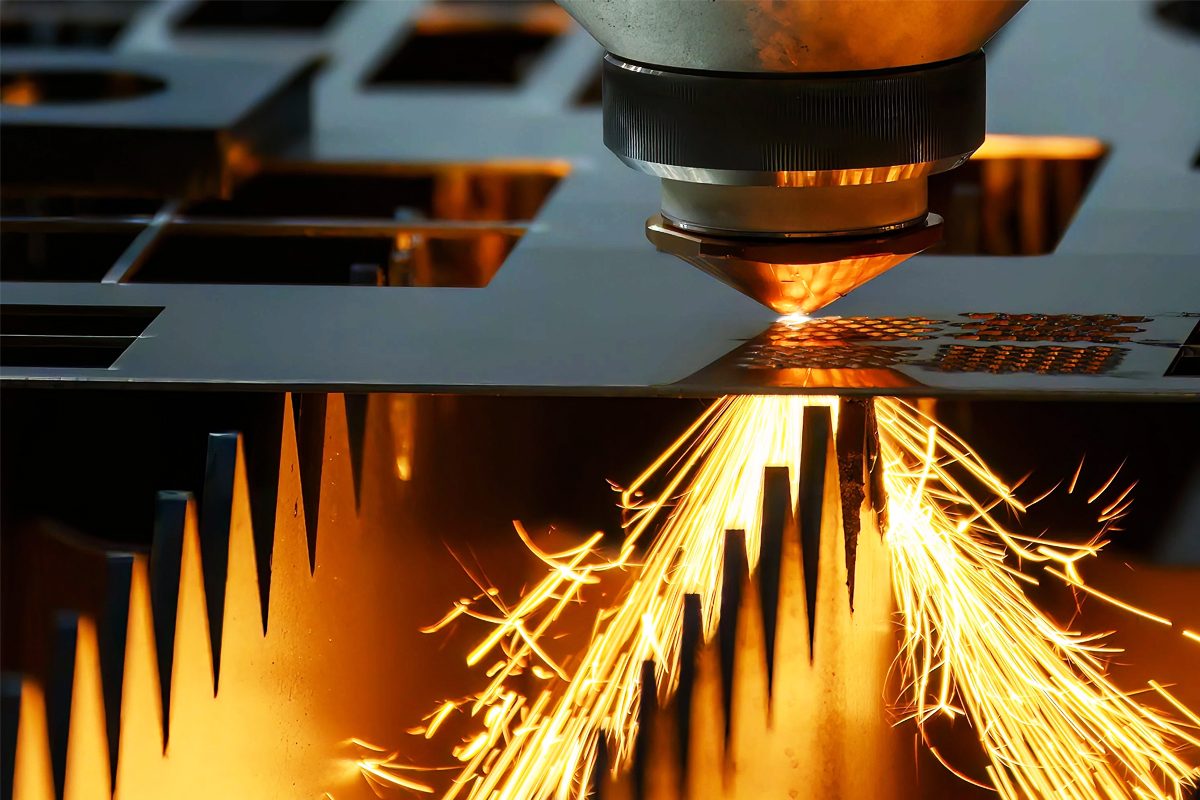
Laser cutting employs a high-powered laser beam that focuses intense heat onto a material, either melting, burning, or vaporizing it along a defined path. This process is known for its exceptional precision and ability to create intricate, fine cuts with minimal heat-affected zones. Laser cutting is typically used for thinner materials and offers high-quality results in terms of edge smoothness and minimal distortion. The technology is suitable for a wide range of materials, including metals, plastics, and wood, and is especially advantageous in industries that require intricate designs or tight tolerances.
Flame cutting, or oxy-fuel cutting, on the other hand, uses a combination of oxygen and fuel gas to produce a high-temperature flame capable of melting and burning through metal. This process is most commonly used for cutting thicker materials, such as steel and other alloys, due to its ability to handle larger material thicknesses. Flame cutting is often more cost-effective for cutting thicker sections of metal, but it can result in rougher edges, greater material distortion, and a larger heat-affected zone compared to laser cutting.
Understanding the key differences between laser cutting and flame cutting is crucial for businesses looking to optimize their production processes. The choice between these methods hinges on factors such as material type, thickness, desired cut quality, speed, and cost considerations. In this article, we will explore these cutting technologies in greater detail, comparing their strengths and weaknesses to help you make an informed decision for your specific cutting requirements.
Laser Cutting VS Flame Cutting

Overview of Laser Cutting

Laser cutting is a precision manufacturing process that uses a focused laser beam to cut, engrave, or mark materials with high accuracy. Unlike traditional mechanical cutting methods, laser cutting is a non-contact process that involves applying a highly focused light beam to a material, which can then melt, vaporize, or burn away the material along a defined path. This process is widely used in industries ranging from automotive and aerospace to electronics, medical devices, and signage, owing to its unparalleled precision, ability to produce complex shapes, and efficiency in material usage.
Laser cutting is particularly advantageous for producing intricate cuts and complex geometries on a wide range of materials, including metals (ferrous and non-ferrous), plastics, ceramics, glass, wood, and even fabrics. As an advanced manufacturing technology, it allows manufacturers to achieve high-quality results with minimal human intervention, and the integration with Computer Numerical Control (CNC) systems makes it possible to automate and optimize the process.

Definition and Working Principle

Laser cutting is based on the principle of using a highly focused laser beam to deliver immense energy to a small spot on the material’s surface, raising the temperature of that area rapidly. This intense heat causes the material to melt, burn, or vaporize along the cutting path. Laser cutting works on the principle of thermal processing, with the key stages being:

  • Generation of the Laser: The laser is generated in a laser source, which can be a gas (CO2), solid-state (fiber or Nd:YAG), or diode-based system. Each of these laser sources has different properties suited for various materials and cutting thicknesses.
  • Beam Focusing: Once the laser is generated, it passes through a series of mirrors and lenses to focus it onto a tiny point, often no larger than a few micrometers in diameter. This concentration of energy allows the laser to produce precise cuts on the material, which are often far more intricate and clean than those produced by mechanical methods.
  • Material Interaction: When the laser beam is focused onto the material, it rapidly heats the material to its melting or vaporizing point. If the material is a metal, for example, oxygen or nitrogen is used as an assist gas to help blow away the molten material and keep the cutting zone clean. For non-metal materials, the laser itself may simply vaporize or burn through the material.
  • CNC Control: The movement of the laser head is typically controlled by a CNC system, which follows a pre-programmed path derived from a CAD (Computer-Aided Design) or CAM (Computer-Aided Manufacturing) file. This system ensures that the laser cuts exactly along the path outlined in the design, with high precision and repeatability.
  • Assist Gases: Assist gases, such as oxygen, nitrogen, or compressed air, are used to aid the cutting process. These gases can blow away molten material, improve the cutting speed, and in some cases, prevent oxidation or enhance the quality of the cut.

Types of Laser Cutting Systems Used

Laser cutting systems are categorized based on the type of laser source used. The selection of laser type is crucial in determining the efficiency, speed, and material compatibility of the system. The main types of laser cutting systems are:

  1. CO2 Lasers (Carbon Dioxide Lasers)
  • Description: CO2 lasers are the most common laser systems used for cutting applications. They are gas lasers where a mixture of carbon dioxide, nitrogen, and helium is excited to generate the laser beam.
  • Application: These lasers are ideal for cutting non-metal materials such as wood, plastics, acrylics, and glass. They can also be used for cutting thin to medium-thick metals like stainless steel, mild steel, and aluminum.
  • Advantages: CO2 lasers are highly effective and offer excellent beam quality, making them versatile for a wide range of materials.
  • Limitations: CO2 lasers are slower than fiber lasers when it comes to cutting reflective materials (such as aluminum and brass). They also tend to be less efficient and require more maintenance than fiber lasers.
  1. Fiber Lasers
  • Description: Fiber lasers are solid-state lasers that use optical fibers doped with rare-earth elements like ytterbium. These lasers are known for their high beam quality and efficiency.
  • Application: Fiber lasers are commonly used for cutting metals, including both thin and thick sheets of carbon steel, stainless steel, aluminum, brass, and copper. They are particularly effective on reflective metals, which are challenging for CO2 lasers.
  • Advantages: Fiber lasers provide fast cutting speeds, excellent beam quality, and high efficiency. They also require less maintenance due to the absence of traditional gas and mirror components.
  • Limitations: Fiber lasers may not be as effective for non-metal cutting applications as CO2 lasers, and they can be more expensive upfront.
  1. Nd:YAG Lasers (Neodymium-doped Yttrium Aluminum Garnet)
  • Description: Nd:YAG lasers use a crystal of yttrium aluminum garnet doped with neodymium ions to produce the laser beam. These lasers are typically used for high-precision cutting.
  • Application: Nd:YAG lasers are ideal for high-precision cutting, engraving, and welding. They are often used for materials like ceramics, plastics, and thin metals, and are commonly found in medical and aerospace applications.
  • Advantages: Nd:YAG lasers offer high power and deep penetration capabilities, making them well-suited for cutting thicker materials.
  • Limitations: They are less energy-efficient than fiber lasers and typically require more maintenance.
  1. Disk Lasers
  • Description: Disk lasers use a disk-shaped laser medium, which is similar to fiber lasers in terms of beam quality but offers higher efficiency for high-power cutting.
  • Application: These lasers are typically used in industrial applications requiring high precision and high-speed cutting of thicker materials, such as aerospace and automotive parts.
  • Advantages: Disk lasers are very efficient and can cut through thicker materials more effectively than CO2 lasers, with improved speed and precision.
  • Limitations: Disk lasers are expensive, and the technology is more complex, making them less accessible for smaller operations.

Laser Cutting Process

The laser cutting process involves a series of steps that result in the accurate, high-quality cutting of materials:

  • Material Setup: The material is placed on a cutting bed or worktable. Depending on the material and thickness, the material may be secured using clamps, magnets, or a vacuum system. The worktable is often designed to handle different material sizes and shapes.
  • Beam Focusing: The laser beam is generated and passes through a series of mirrors and lenses, which focus it onto the material’s surface. The size of the focused beam can be adjusted to control the width of the cut and the depth of penetration.
  • Gas Assist: As the laser beam heats the material, assist gases such as oxygen, nitrogen, or compressed air are introduced through the nozzle. These gases serve to blow away molten material and cool the cut surface. Oxygen is often used for ferrous materials, while nitrogen is preferred for non-ferrous metals or materials that require clean edges.
  • Cutting Path: The CNC system controls the movement of the laser head along the pre-programmed path. The cutting head follows the pattern defined in the CAD file, ensuring precise cuts and high accuracy.
  • Post-Cutting: After the cutting is completed, the material may require post-processing steps such as cleaning, deburring, or edge smoothing. This is particularly important for thicker materials, which may exhibit more roughness or oxidation on the edges.

Equipment Composition

The laser cutting system consists of several key components that work together to ensure a high-quality cutting process:

  • Laser Source: The laser source generates the high-powered beam. Different types of lasers (CO2, fiber, Nd:YAG) are selected based on the material and cutting requirements.
  • Optical System: This includes mirrors, lenses, and beam-shaping optics that direct and focus the laser beam onto the material’s surface. Precision is essential in maintaining the beam’s focus and energy distribution.
  • CNC Controller: The CNC controller is the command center of the system, interpreting CAD data and controlling the movement of the cutting head along the material. It regulates cutting speed, laser power, and gas pressure for optimal results.
  • Cutting Head: The cutting head houses the laser optics and nozzle through which the assist gas is directed. The cutting head is typically mounted on an automated rail or gantry system to allow movement along the material.
  • Assist Gas System: The assist gas system supplies the necessary gases (oxygen, nitrogen, compressed air) that facilitate the cutting process. These gases also help to clean the cut surface, prevent oxidation, and ensure smooth edges.
  • Work Table: The worktable supports the material being cut and often includes features like slats or a honeycomb design to facilitate gas flow and prevent molten material from accumulating.

Advantages of Laser Cutting

  • High Precision and Accuracy: Laser cutting provides incredibly fine cuts with tight tolerances, often as precise as ±0.1 mm, making it ideal for intricate designs and parts requiring high dimensional accuracy.
  • Minimal Heat-Affected Zone (HAZ): Laser cutting generates a very small heat-affected zone, reducing the risk of material distortion, warping, or changes in material properties, especially in metals.
  • Versatility: Laser cutting can be applied to a wide range of materials, including metals, plastics, wood, textiles, and even ceramics, making it an adaptable technology for diverse industries.
  • Automation and Efficiency: The integration of CNC control systems allows laser cutting to be automated, reducing human error, increasing repeatability, and ensuring high productivity in large-scale manufacturing.
  • Clean and Smooth Cuts: Laser cutting produces cuts with minimal burrs, rough edges, or slag. This often eliminates the need for secondary finishing processes like grinding or polishing.
  • Reduced Material Waste: The precision of laser cutting ensures that parts are cut with minimal material loss, optimizing material utilization and reducing scrap.

Disadvantages of Laser Cutting

  • High Initial Cost: The investment required to purchase and install laser cutting equipment, particularly fiber lasers, can be expensive. Additionally, maintenance and repair costs can add to the operational expenses.
  • Material Thickness Limitations: Laser cutting is best suited for thin to medium-thick materials. While it can cut thick materials, especially with high-powered systems, it is generally slower and less effective than other methods, such as plasma or flame cutting for very thick metals.
  • Reflectivity Issues: Highly reflective materials, such as copper and brass, can reflect the laser beam, reducing cutting efficiency and sometimes damaging the equipment. Special precautions are necessary when cutting these materials.
  • Edge Quality Issues in Thick Materials: While laser cutting provides clean cuts, thicker materials may exhibit some edge roughness or oxidation that requires post-processing to achieve a smooth finish.

Typical Applications of Laser Cutting

Laser cutting is used in a wide variety of industries due to its precision, versatility, and speed. Some of the typical applications include:

  • Automotive: Cutting parts such as body panels, chassis, and engine components where high precision and quality are required.
  • Aerospace: Producing intricate components for aircraft, spacecraft, and satellites that require tight tolerances and lightweight materials.
  • Electronics: Cutting circuit boards, connectors, housings, and other small components for electronic devices.
  • Medical Devices: Laser cutting is used in the production of surgical instruments, implants, and diagnostic equipment, where precision is paramount.
  • Signage and Art: Creating detailed, custom logos, signs, and artwork from materials such as acrylic, metal, and wood.
  • Fashion and Textiles: Cutting intricate patterns in fabrics, leather, and other materials for fashion design and garment production.
Laser cutting is a highly precise and versatile cutting method that has revolutionized manufacturing processes across numerous industries. It offers exceptional speed, accuracy, and material versatility, making it the go-to solution for tasks that require intricate cuts and high-quality results. Despite its high initial cost and some limitations with very thick materials, the benefits of laser cutting — such as automation, reduced material waste, and minimal heat distortion — make it a crucial technology in modern manufacturing.

Overview of Flame Cutting

Flame cutting, also known as oxy-fuel cutting or oxyacetylene cutting, is a thermal cutting process that uses the heat generated by a fuel gas (such as acetylene, propane, or hydrogen) mixed with oxygen to cut through materials, primarily metals. This process relies on the exothermic chemical reaction between the oxygen and the material being cut, typically carbon steel, which forms an oxide that is blown away by the force of the oxygen stream. Flame cutting is a widely used method in industries where thick materials need to be cut quickly and cost-effectively.
The technology has been in use for over a century and remains an essential part of heavy manufacturing, construction, shipbuilding, and steel fabrication due to its efficiency, ability to cut thick metals, and relatively low cost. While newer cutting technologies like laser and plasma cutting have gained popularity in recent years, flame cutting remains indispensable in situations where high power and versatility are needed for large-scale, heavy-duty projects.

Definition and Working Principle

Flame cutting works based on the principle of an oxidation reaction. The process begins by preheating the material (usually steel) with a flame produced by a mixture of a fuel gas (such as acetylene or propane) and oxygen. This flame heats the metal to a temperature at which it begins to oxidize. Once the material reaches a temperature where oxidation occurs (typically around 1,300℃ or 2,400℉ for carbon steel), a jet of pure oxygen is directed at the heated metal.
The pure oxygen stream reacts with the molten metal, forming metal oxides that are blown away by the force of the oxygen, creating a clean cut. The chemical reaction between the oxygen and the metal is exothermic, meaning it generates additional heat that further accelerates the cutting process. This process only works effectively on ferrous metals, especially carbon steel, because of the ability of oxygen to oxidize and remove the material. Non-ferrous metals such as aluminum and stainless steel do not undergo this same oxidation reaction, which limits the use of flame cutting for such materials.

Flame Cutting Process

The flame cutting process consists of multiple steps, which require careful control and a steady hand, especially in manual flame cutting operations. The steps are as follows:

  • Material Preparation: The material to be cut must be clean and free from coatings, rust, or contaminants. Rust or contaminants can affect the efficiency of the cutting process and result in poor-quality cuts. The material is then placed on a work table or cutting bed, where it is often secured with clamps or a holding system to ensure stability during the cutting operation.
  • Preheating: Before the actual cutting begins, the flame is directed at the cutting area to preheat the material. The flame produced by the torch typically consists of a mixture of oxygen and a fuel gas (such as acetylene or propane), which produces a high-temperature, neutral flame. This preheating ensures that the material reaches the necessary temperature for the cutting process.
  • Ignition and Oxygen Flow: Once the material is preheated to the correct temperature, pure oxygen is introduced at high pressure through a nozzle. The oxygen reacts with the material, primarily the iron in carbon steel, producing a high-temperature oxidation reaction. This reaction creates an oxide layer that is blown away by the force of the oxygen jet. The continued application of heat and oxygen melts and removes the material, resulting in a smooth, straight cut.
  • Cutting Action: The cutting head or torch moves along the material’s surface, maintaining the flame and oxygen jet to keep the material molten. As the torch moves, the cutting oxygen stream clears the molten metal from the cutting zone, forming the cut. The material is separated into two parts, leaving a clean edge behind.
  • Finishing: Flame-cut edges tend to have a rougher finish than laser or plasma cuts. Post-cutting finishing, such as grinding or polishing, may be required to smooth the edges, especially in cases where aesthetic or precise tolerances are critical.

Equipment Composition

Flame cutting systems consist of several key components, each designed to handle the specific demands of the cutting process. The core components of a flame cutting system include:

  • Oxygen and Fuel Gas Tanks: The oxygen tank provides the oxygen necessary for the cutting process. The fuel gas tank contains the fuel gas (typically acetylene, propane, or hydrogen) used to generate the initial flame. These tanks are connected to the cutting torch via hoses, and each tank is equipped with regulators to control the flow and pressure of the gases.
  • Cutting Torch: The cutting torch is the primary tool that mixes the fuel gas and oxygen to generate the flame. It consists of a handle, an oxygen inlet, a fuel gas inlet, and a nozzle through which the gases are ignited and directed onto the material. The cutting torch can be either manual or automated, depending on the application.
  • Regulators and Valves: Regulators control the pressure and flow rate of the oxygen and fuel gas. These are essential for maintaining the correct mixture of oxygen and fuel gas, which directly influences the cutting quality and speed. Valves are used to control the flow of each gas separately, ensuring the correct proportions for an efficient cut.
  • Nozzles and Cutting Head: The nozzle directs the oxygen stream onto the material. The nozzle is designed to create a specific oxygen flow pattern that allows for optimal cutting efficiency. The cutting head may be equipped with a mechanical or motorized system to guide it along the cut path for automated flame cutting.
  • Work Table: The work table or cutting bed provides a stable surface to hold the material in place during the cutting process. The table may feature a grid or honeycomb design to facilitate the flow of gases beneath the material, improving efficiency and safety during cutting.

Advantages of Flame Cutting

  • Cost-Effective: Flame cutting is significantly more affordable than newer technologies like laser or water jet cutting, especially for cutting thick materials. The equipment needed for flame cutting is generally less expensive, and the process itself is relatively inexpensive to operate.
  • Effective for Thick Materials: Flame cutting excels at cutting through thick sections of metal, especially carbon steel, where other methods like laser or water jet cutting may be less efficient or more expensive. Flame cutting can easily handle material thicknesses from a few millimeters up to several inches thick.
  • Portability: Flame cutting equipment is portable, making it ideal for construction sites or in industries where large, immovable metal structures need to be cut. The portability allows the equipment to be easily moved to different work areas.
  • Simple Operation: The flame cutting process is straightforward and requires relatively low skill to operate compared to more complex methods like laser cutting. Basic training is generally sufficient to operate the equipment effectively.
  • No Need for Electricity: Unlike laser cutting systems, which require an electric power supply, flame cutting can be performed without electricity, making it useful in remote or outdoor locations where electricity may not be available.
  • Scalability: Flame cutting can be used for both small-scale and large-scale applications. It’s highly scalable for large structural projects like bridges or shipbuilding and can also be used for smaller-scale cutting tasks, such as industrial repairs.

Disadvantages of Flame Cutting

  • Rougher Cut Quality: Flame cutting tends to leave rough edges compared to more modern methods like laser or water jet cutting. The oxidation process creates a slag on the cut edges that can result in a jagged finish. This often requires additional post-processing steps such as grinding or finishing, which can increase the overall time and cost of the process.
  • Material Limitations: Flame cutting is effective primarily for ferrous materials such as carbon steel and low-alloy steels. It is not suitable for cutting non-ferrous metals like aluminum, copper, or stainless steel because these materials do not oxidize in the same way, making the cutting process inefficient or ineffective.
  • Heat-Affected Zone (HAZ): The high temperatures generated during flame cutting can lead to a significant heat-affected zone (HAZ), which may cause distortion or warping of the material near the cut edges. This is particularly problematic in applications where dimensional accuracy and material properties need to be preserved.
  • Slower Cutting Speed for Thin Materials: Flame cutting is slower than other methods, like laser or plasma cutting, when it comes to cutting thin materials. For applications that require high-speed cutting of thin materials, flame cutting is generally less efficient.
  • Environmental Concerns: The combustion of fuel gases generates fumes, smoke, and gases, which can be hazardous to both the operator and the environment. Proper ventilation or fume extraction systems are essential to mitigate health risks associated with prolonged exposure to these emissions.

Typical Applications of Flame Cutting

Flame cutting is widely used in industries that require cutting of thick materials, especially where cost and speed are important factors. Some of the most common applications include:

  • Construction and Structural Steel: Flame cutting is commonly used to cut large sections of steel beams, plates, and structural elements used in building construction, bridges, and industrial plants.
  • Shipbuilding: In the shipbuilding industry, flame cutting is frequently used to cut thick steel plates for ship hulls, decks, and other large structural parts.
  • Heavy Equipment Manufacturing: Flame cutting is employed to cut through heavy-duty materials like steel used in the production of industrial machinery, mining equipment, and large-scale mechanical parts.
  • Automotive and Railway Industries: Flame cutting is used to cut heavy steel components for automotive manufacturing, including chassis and frames, as well as parts for trains and locomotives.
  • Recycling and Demolition: In the recycling industry, flame cutting is used to dismantle large scrap metal structures or machinery. It is also widely used in demolition projects to cut large metal beams, pipes, and other heavy components.
  • Oil and Gas Industry: Flame cutting is used to cut large metal pipes, tanks, and other steel components in oil refineries, pipelines, and offshore drilling platforms.
Flame cutting is a reliable, cost-effective cutting method that works well for cutting thick ferrous metals, particularly carbon steel. It is widely used in industries such as construction, shipbuilding, automotive manufacturing, and recycling, where high power and portability are needed. While flame cutting has many advantages, such as its affordability and effectiveness for thick materials, it has several drawbacks, including rougher cut quality, slower speeds for thinner materials, and the potential for a significant heat-affected zone. Despite these limitations, flame cutting remains a crucial tool for many industries, especially in heavy-duty applications where precision is less critical.

Key Comparison: Laser vs Flame Cutting

In industrial manufacturing, selecting the appropriate cutting method is essential for achieving the desired results in terms of precision, speed, material handling, and cost. Laser cutting and flame cutting are two of the most common cutting methods, each with its unique strengths and limitations.

Precision and Cut Quality

Laser Cutting

Laser cutting is known for its exceptional precision and fine-cut quality. The laser beam can be focused to a very small point (sometimes less than a millimeter in diameter), which allows for highly intricate and detailed cuts. Laser cutting is capable of achieving tolerances as tight as ±0.1 mm or even better, making it ideal for applications that require high dimensional accuracy. The cut edges produced by lasers are smooth and clean, often requiring little to no additional finishing or post-processing. This level of precision makes laser cutting the preferred method for industries like aerospace, electronics, and medical device manufacturing, where the quality of the cut is paramount.

Flame Cutting

Flame cutting, while effective for cutting thick materials, does not offer the same level of precision as laser cutting. The cuts produced by flame cutting tend to have a rougher surface finish due to the nature of the oxidation process. The cut edges often show visible slag, which can lead to jagged or uneven edges that require additional grinding or finishing to smooth them out. Flame cutting typically has a tolerance range of ±1 mm or more, which is less precise than laser cutting. As a result, flame cutting is more suitable for applications where cut quality is less critical, such as heavy structural components in construction or shipbuilding.

Material Versatility and Thickness Range

Laser Cutting

Laser cutting is incredibly versatile and can cut a wide range of materials, including metals (ferrous and non-ferrous), plastics, wood, glass, ceramics, and textiles. However, laser cutting is most commonly used for metals such as stainless steel, aluminum, and mild steel. The material thickness that laser cutting can handle depends on the type of laser used. CO2 lasers are effective for thin to medium thicknesses, while fiber lasers excel at cutting both thin and thicker metals. Laser cutting generally works well for materials up to 25 mm thick, though thicker materials can be cut with higher-power lasers. However, when cutting very thick materials (over 50 mm), laser cutting can become slower and less efficient compared to flame cutting or plasma cutting.

Flame Cutting

Flame cutting is primarily used for ferrous metals, particularly carbon steel, and works well on thicker materials. It is one of the best methods for cutting large, thick sections of metal, with a typical cutting range from 6 mm to several inches (up to 300 mm thick). Flame cutting is ideal for cutting materials such as structural steel beams, large plates, and other heavy-duty components, particularly in industries like construction, shipbuilding, and heavy machinery manufacturing. However, flame cutting is less effective for non-ferrous metals (like aluminum and copper) and is not suited for materials that do not readily oxidize, such as stainless steel.

Speed, Automation, and Production Efficiency

Laser Cutting

Laser cutting is typically faster than flame cutting, especially when cutting thinner materials. The high precision and reduced need for post-processing make laser cutting an efficient choice in high-volume production. Moreover, laser cutting systems can be fully automated using CNC technology, which significantly enhances productivity. Automation allows for faster turnaround times, fewer human errors, and more efficient use of materials. The ability to handle complex shapes with minimal adjustments further improves production efficiency, especially in industries where flexibility and rapid prototyping are essential. In mass production environments, laser cutting can offer significant time savings and high throughput.

Flame Cutting

Flame cutting is generally slower than laser cutting, especially when dealing with thinner materials. While it is highly effective for cutting thick materials, the cutting speed tends to decrease as material thickness increases. Flame cutting is often a manual process, although automated systems do exist. The need for manual adjustments and monitoring can slow down production, particularly when compared to the fully automated capabilities of laser cutting systems. However, flame cutting can be more time-efficient for very thick materials, where laser cutting may struggle in terms of speed or efficiency.

Material Waste, Heat-Affected Zone, and Deformation

Laser Cutting

One of the significant advantages of laser cutting is its minimal material waste. The precision of the laser beam allows for tight nesting of parts, optimizing material usage and reducing scrap. Additionally, because the laser beam is highly focused, it produces a very narrow kerf (the width of the cut), further reducing material loss. Laser cutting also produces a minimal heat-affected zone (HAZ), meaning that the surrounding material does not undergo significant thermal changes. This results in less distortion or warping of the material, which is crucial for applications requiring tight tolerances. The controlled, localized heat ensures that the integrity of the material near the cut remains largely intact.

Flame Cutting

Flame cutting typically results in higher material waste compared to laser cutting. The wider kerf produced by the flame means more material is removed during the cutting process, leading to increased scrap. Moreover, flame cutting produces a larger heat-affected zone, which can lead to thermal distortion, especially in thicker materials. The heat from the flame can cause the edges of the cut material to warp or deform, requiring additional finishing steps to restore dimensional accuracy. While flame cutting is effective for heavy-duty cuts, the heat-affected zone and the resulting deformation can be a significant drawback for applications that demand high precision.

Cost: Equipment, Operation, and Maintenance

Laser Cutting

The initial investment for a laser cutting system can be high, particularly for high-powered lasers such as fiber lasers, which require sophisticated components and a complex setup. However, laser cutting systems are highly efficient and cost-effective in the long term, particularly in high-volume production environments. The cost per cut can be lower than flame cutting when considering the precision, minimal material waste, and reduced need for post-processing. Additionally, maintenance costs for laser cutting systems are generally higher than for flame cutting systems due to the need for specialized parts and regular servicing of the laser optics, gas supply systems, and cooling systems.

Flame Cutting

Flame cutting systems are less expensive to purchase and maintain compared to laser cutting systems. The equipment is relatively simple and requires fewer components, making it a more cost-effective choice for applications that involve thick materials. Operating costs are generally lower than laser cutting, as flame cutting does not require the same level of power or specialized parts. However, while the initial costs are lower, the increased material waste and the need for additional finishing processes can increase the overall cost over time, especially for high-volume production.

Safety, Environmental, and Workplace Considerations

Laser Cutting

Laser cutting systems are inherently safer due to the non-contact nature of the process. There is no direct mechanical interaction between the cutting head and the material, reducing the risk of physical injuries. However, laser cutting involves intense heat, and operators must be equipped with proper safety measures, including protective eyewear to shield against the powerful laser light. Additionally, safety protocols must be followed to manage the high-energy systems involved, such as ventilation systems to address fumes and gases produced during cutting.
The environmental impact of laser cutting is generally lower than that of flame cutting, as laser cutting uses cleaner processes and produces fewer pollutants. The energy consumption of laser cutting is also relatively high, particularly for fiber lasers, but it is offset by the reduced material waste and the potential for automation in high-volume environments.

Flame Cutting

Flame cutting poses a greater safety risk due to the open flame, which can lead to burns or other injuries if not carefully monitored. The process also generates harmful fumes, including oxides of nitrogen and carbon monoxide, which must be properly ventilated to protect workers. Adequate safety measures, including protective gear and proper ventilation systems, are essential when using flame cutting.
From an environmental perspective, flame cutting has a larger environmental footprint than laser cutting, as the process produces more smoke, fumes, and heat. The combustion of fuel gases also releases CO2 and other pollutants, which can be harmful if not properly controlled. Flame cutting can also produce larger amounts of scrap material, contributing to higher waste generation in the workplace.
Both laser cutting and flame cutting offer distinct advantages depending on the application, material, and production requirements. Laser cutting excels in precision, material versatility, and clean cut quality, making it ideal for applications that demand high accuracy and minimal material waste. It is faster and more efficient for thinner materials, but may be less effective for very thick sections. Flame cutting, on the other hand, remains an excellent choice for cutting thick materials like structural steel, offering a more cost-effective solution for heavy-duty applications. It is slower and produces rougher cuts, often requiring additional finishing. Flame cutting is less expensive in terms of equipment costs but generates more material waste and has a larger heat-affected zone.
Ultimately, the decision between laser cutting and flame cutting depends on the specific requirements of the project, including material type, thickness, cut quality, production speed, and budget. By considering these factors, businesses can choose the most suitable cutting technology to meet their manufacturing needs.

Guidelines for Choosing Between Laser Cutting and Flame Cutting

Selecting the appropriate cutting technology—laser cutting or flame cutting—requires a thorough understanding of the material, process requirements, production environment, and cost considerations. Both methods have distinct advantages and disadvantages depending on the task at hand.

Material Type

Laser Cutting

Laser cutting is incredibly versatile in terms of the range of materials it can handle. It is effective on both ferrous and non-ferrous metals, making it ideal for cutting stainless steel, aluminum, brass, copper, and titanium. It also excels at cutting plastics, wood, ceramics, and composite materials with high precision. One of the main advantages of laser cutting is its ability to cut reflective metals, such as aluminum and copper, which are challenging for traditional methods like flame cutting, as these metals can reflect the heat and reduce cutting efficiency.
Additionally, laser cutting does not require the material to undergo an oxidation process, so it can be used on materials that require clean cuts without oxidation or burrs, such as painted or coated metals.

Flame Cutting

Flame cutting, or oxy-fuel cutting, is most effective when cutting ferrous metals, particularly carbon steel, low-alloy steel, and structural steel. It works by utilizing the oxidation reaction between oxygen and the material, which is why flame cutting is highly efficient on metals that readily oxidize, such as carbon steel. However, flame cutting is ineffective for non-ferrous metals, like aluminum, brass, copper, and stainless steel, as these materials do not oxidize as easily, which limits the effectiveness of the flame cutting process. Guideline: Choose laser cutting if you need to cut a diverse range of materials, especially non-ferrous metals or coated materials. Opt for flame cutting when working primarily with carbon steel or other ferrous metals, especially for thick sections.

Material Thickness

Laser Cutting

Laser cutting is highly effective for thin to medium-thick materials, typically ranging from 0.1 mm to 25 mm in thickness, although high-power lasers (e.g., fiber lasers) can cut thicker materials up to 50 mm or more. The cutting speed and quality decrease as material thickness increases, and the process may become slower and less cost-efficient for very thick sections. For thicker materials, the cutting process may require higher laser power and slower speeds, which can significantly increase the operational cost.
Laser cutting offers excellent results for materials up to about 25 mm thick, particularly when precision and fine cuts are required. For materials thicker than 50 mm, plasma cutting or flame cutting may be more efficient.

Flame Cutting

Flame cutting excels when cutting thicker materials, especially those in the range of 6 mm to several inches (up to 300 mm thick). It is commonly used for cutting large steel plates, structural beams, and other heavy-duty components. Flame cutting can handle very thick materials more efficiently than laser cutting, which is why it is a preferred choice for industries like construction, shipbuilding, and heavy machinery manufacturing, where large, thick metal components are regularly cut.
However, flame cutting has its limitations when it comes to thin materials (less than 6 mm thick), as it is slower and produces rougher edges compared to laser cutting.
Guideline: Choose laser cutting for thin to medium-thick materials (up to 25 mm), where high precision is essential. Use flame cutting for thicker materials, especially when working with structural steel or when precision is not a top priority.

Precision and Tolerance Requirements

Laser Cutting

Laser cutting is known for its exceptional precision and ability to maintain tight tolerances. The process can achieve tolerances as tight as ±0.1 mm, or even better in some cases. This level of accuracy makes it ideal for applications where fine details and high-quality finishes are necessary, such as in the aerospace, medical device, electronics, and automotive industries. The narrow kerf produced by the laser minimizes material waste and provides a clean edge with no roughness or burrs, reducing the need for post-processing.
Laser cutting also produces a minimal heat-affected zone (HAZ), meaning there is less risk of material distortion or thermal damage around the cut area. This ensures that the integrity of the material remains intact, especially when working with thin or heat-sensitive materials.

Flame Cutting

Flame cutting is less precise than laser cutting, and it is generally not suited for applications requiring high tolerances. The typical tolerance for flame cutting is around ±1 mm, but this can vary depending on the thickness and type of material. Additionally, flame cutting produces rougher edges and oxidation on the cut surfaces, which usually requires post-processing like grinding, sanding, or cleaning. The oxidation can affect the mechanical properties of the material near the cut edge, making flame cutting less desirable for parts that require tight tolerances or high-quality finishes.
Guideline: Choose laser cutting for applications that require high precision, tight tolerances, and clean cut edges. Flame cutting is better suited for applications where rough cuts are acceptable, and precision is not the primary concern.

Production Volume and Automation Needs

Laser Cutting

Laser cutting systems are highly automated, with CNC technology used to control the cutting process. This allows for fast production times, especially for high-volume production runs. Laser cutting systems are also capable of producing complex and intricate designs with minimal setup time. Automation ensures that parts are produced with consistent quality and repeatability, making laser cutting ideal for industries requiring rapid prototyping or continuous production. As a result, laser cutting is often the preferred method for high-volume applications where speed, flexibility, and precision are paramount.

Flame Cutting

Flame cutting is generally slower than laser cutting, especially when dealing with thin materials or intricate designs. While flame cutting can be automated using CNC systems, it is typically more manual compared to laser cutting. This makes flame cutting less efficient for large-scale, automated production runs. Flame cutting is more suitable for low- to medium-volume production, where parts are large, relatively simple in shape, and do not require complex cutting paths.
Guideline: Choose laser cutting for high-volume, automated production that demands flexibility, precision, and speed. Flame cutting is better suited for low-to-medium volume production of large, simple parts, especially when manual control or slower production speeds are acceptable.

Cost and Budget Constraints

Laser Cutting

Laser cutting systems tend to have a high initial investment cost due to the sophisticated technology involved, including the laser source, optical systems, and CNC control systems. Operating costs for laser cutting are typically higher as well, primarily due to energy consumption, laser maintenance, and the need for high-quality consumables such as gases and lenses. The cost per cut can be high, particularly for thick materials, but laser cutting can be cost-effective in the long term when considering the high precision, minimal waste, and automated production capabilities.

Flame Cutting

Flame cutting is more cost-effective upfront, with lower initial equipment costs and fewer specialized components. The operating costs for flame cutting are generally lower than those of laser cutting, as fuel gases like acetylene and propane are relatively inexpensive compared to the energy requirements of laser systems. However, flame cutting results in higher material waste and typically requires more post-processing to achieve the desired quality, which can increase overall costs. Additionally, while flame cutting is inexpensive for large parts, it can become inefficient for high-precision work.
Guideline: Choose laser cutting if your budget allows for higher initial costs and long-term efficiency in high-precision, high-volume applications. Opt for flame cutting when you need a low-cost option for cutting thick materials, and cost is the primary concern.

Site and Environment Constraints

Laser Cutting

Laser cutting systems are sensitive to environmental conditions. They require a clean, controlled environment with a stable electricity supply, as any power fluctuations or dust can affect the performance of the system. Additionally, the high heat generated by the laser requires adequate ventilation and cooling systems to ensure the longevity of the components. Safety protocols related to laser radiation and the need for eye protection are crucial for operators.

Flame Cutting

Flame cutting is more versatile and portable than laser cutting, making it suitable for outdoor environments, construction sites, or other harsh conditions where a stable power supply may not be available. However, flame cutting requires fire safety measures due to the use of an open flame, and there are significant ventilation requirements to manage the fumes and gases produced during the cutting process. Flame cutting also generates higher levels of heat, noise, and fumes that need to be controlled in the workplace.
Guideline: Choose laser cutting if your operations are in a controlled, indoor environment where you can provide reliable power and adequate ventilation. Use flame cutting in outdoor environments, construction sites, or areas requiring mobility, but ensure that fire safety and fume extraction are in place.

Safety, Environmental, and Regulatory Concerns

Laser Cutting

Laser cutting is safer than flame cutting in terms of physical risks because it is a non-contact process. However, operators must be aware of the hazards associated with laser radiation, and proper protective eyewear is mandatory. Additionally, fume extraction systems are necessary to manage gaseous emissions from the materials being cut. From an environmental perspective, laser cutting is generally more eco-friendly, producing less waste and fewer pollutants compared to flame cutting. The energy consumption of lasers is a concern, particularly for high-power systems, but their precision and reduced material waste help mitigate this.

Flame Cutting

Flame cutting poses significant safety risks, primarily due to the open flame, which can lead to burns, fires, or explosions if not properly handled. Fire-resistant clothing, fire suppression systems, and regular safety training are essential to mitigate risks. Flame cutting also produces smoke, fumes, and gases that must be properly ventilated to ensure worker safety. The environmental impact is more pronounced, as the process releases carbon monoxide, nitrogen oxides, and particulates, which contribute to air pollution.
Guideline: Choose laser cutting if your priority is safety, environmental sustainability, and compliance with strict regulatory standards. Flame cutting requires more comprehensive safety and environmental management systems due to the higher risk of fire hazards and pollutants.
Choosing between laser cutting and flame cutting depends on a variety of factors, including material type, thickness, precision requirements, production volume, cost, and environmental constraints. Laser cutting is the ideal choice for high-precision applications, smaller parts, and non-ferrous materials, particularly when automation, speed, and clean cuts are necessary. While more expensive upfront, it provides long-term efficiency and minimal waste. On the other hand, flame cutting offers a more cost-effective solution for thicker materials, especially in industries like construction, shipbuilding, and heavy machinery manufacturing, where rough cuts are acceptable, and thicker metal sections need to be processed.
By evaluating your specific needs in these areas, you can select the most appropriate cutting method to meet your manufacturing goals, improve production efficiency, and minimize costs.

Summary

Laser cutting and flame cutting are two widely used cutting technologies in modern manufacturing, each with its unique strengths and weaknesses. Both methods play vital roles in different industries, and the choice between them depends on a variety of factors, including material type, thickness, precision requirements, production volume, and cost considerations.
Laser cutting is known for its exceptional precision, making it ideal for applications that require high accuracy, intricate designs, and clean edges. The technology is highly versatile, capable of cutting a broad range of materials, including metals, plastics, wood, ceramics, and composites. Laser cutting is particularly effective for thin to medium-thick materials, delivering minimal material waste and offering the ability to cut non-ferrous metals like aluminum and copper, which are difficult to cut using flame cutting. It is also highly automated, making it ideal for high-volume production runs and industries that require rapid prototyping, flexibility, and automation. However, laser cutting does come with higher initial costs, including equipment and maintenance, and it may become inefficient for very thick materials, where speed and cutting power can be a concern.
Flame cutting, on the other hand, excels in cutting thicker materials and is particularly cost-effective for ferrous metals, such as carbon steel. It is a reliable, tried-and-true method for industries like shipbuilding, construction, and heavy machinery, where cutting large sections of metal is required. While it is less precise than laser cutting and produces rougher edges, flame cutting is an excellent choice for low- to medium-volume production and situations where cost constraints and the ability to cut thick, heavy materials are more critical than precision. Flame cutting is also highly portable, allowing it to be used in outdoor environments or on job sites without requiring electricity, unlike laser cutting systems that need a controlled indoor environment.
Ultimately, the choice between laser cutting and flame cutting hinges on the specific needs of the job. For precision, speed, and versatility, laser cutting is the superior choice, particularly for industries requiring high-quality, detailed cuts. Flame cutting is more suitable for thicker sections, lower precision requirements, and budget-sensitive applications, making it a cost-effective and reliable choice for certain heavy-duty manufacturing processes.

Get Laser Cutting Solutions

For industries that demand precision, speed, and versatility, laser cutting provides an advanced solution that far surpasses traditional cutting methods. As a professional manufacturer of intelligent laser equipment, Faster Laser offers a wide range of cutting-edge laser cutting systems designed to meet the diverse needs of industries, including automotive, aerospace, electronics, medical device manufacturing, and more. Our laser cutting solutions are built to provide unparalleled accuracy, speed, and efficiency, whether you’re dealing with thin, delicate materials or thick metal sheets.
One of the most significant advantages of laser cutting is its high precision. With our intelligent laser equipment, you can achieve tight tolerances, ensuring the accuracy needed for even the most intricate designs. Laser cutting is ideal for creating detailed cuts, whether it’s for complex geometries, small features, or fine details that are difficult to achieve with traditional mechanical cutting methods. The narrow kerf produced by laser systems also minimizes material waste, helping companies reduce costs and maximize material efficiency.
At Faster Laser, we understand that each industry has its unique demands, which is why our laser cutting machines are designed for material versatility. Our equipment can cut a wide variety of materials, including metals (ferrous and non-ferrous), plastics, wood, and composites. Whether you’re cutting thin sheets of aluminum or thick steel plates, Faster Laser’s laser cutting systems provide the flexibility you need to meet different production requirements.
Moreover, our systems offer automation capabilities through advanced CNC controls, making them ideal for high-volume production. With the ability to integrate our intelligent laser equipment into automated workflows, businesses can significantly improve efficiency and productivity while minimizing human error.
If you’re looking for a cutting solution that combines precision, versatility, and automation, Faster Laser’s intelligent laser cutting solutions are the perfect fit. Contact us today to find out how our cutting-edge technology can enhance your manufacturing processes and give your business a competitive edge.
Picture of Kenley Yang
Kenley Yang

Drawing upon years of deep expertise in industrial laser cutting, welding, marking, and cleaning, this article presents information based on practical experience and the latest industry insights. By providing clear and technically sound guidance, it helps readers select the right machines, understand process trade-offs, and optimize workflows.
My goal is to help engineers, shop floor managers, and production decision-makers make informed choices that perfectly combine innovation, quality, and operational efficiency.

Picture of Kenley Yang
Kenley Yang

Drawing upon years of deep expertise in industrial laser cutting, welding, marking, and cleaning, this article presents information based on practical experience and the latest industry insights. By providing clear and technically sound guidance, it helps readers select the right machines, understand process trade-offs, and optimize workflows.
My goal is to help engineers, shop floor managers, and production decision-makers make informed choices that perfectly combine innovation, quality, and operational efficiency.