Product Introduction
Types of Laser Cleaning Machines
-

FQ Laser Cleaning Machine
Rated 4.63 out of 5$4,550.00 – $21,450.00Price range: $4,550.00 through $21,450.00 Select options This product has multiple variants. The options may be chosen on the product page -
FQ-P Laser Cleaning Machine
Rated 4.75 out of 5$4,810.00 – $21,710.00Price range: $4,810.00 through $21,710.00 Select options This product has multiple variants. The options may be chosen on the product page -
FQ-D Laser Cleaning Machine
Rated 5.00 out of 5$5,460.00 – $22,360.00Price range: $5,460.00 through $22,360.00 Select options This product has multiple variants. The options may be chosen on the product page -
FQP Laser Cleaning Machine
Rated 4.75 out of 5$7,280.00 – $84,500.00Price range: $7,280.00 through $84,500.00 Select options This product has multiple variants. The options may be chosen on the product page -
FQP-L Laser Cleaning Machine
Rated 4.63 out of 5$8,060.00 – $21,450.00Price range: $8,060.00 through $21,450.00 Select options This product has multiple variants. The options may be chosen on the product page -
FQP-B Laser Cleaning Machine
Rated 5.00 out of 5$8,450.00 – $11,440.00Price range: $8,450.00 through $11,440.00 Select options This product has multiple variants. The options may be chosen on the product page
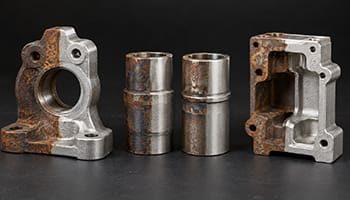
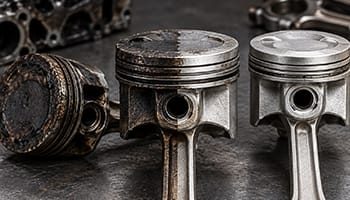
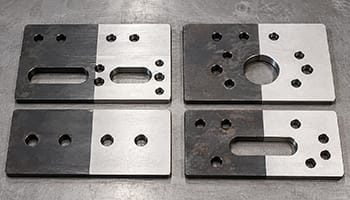
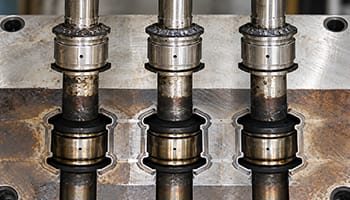
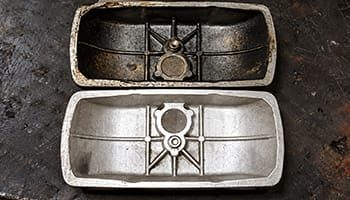
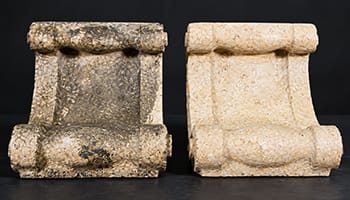
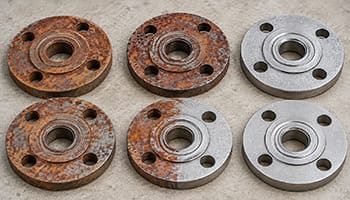
Application of Laser Cleaning Machines

Why Choose Us
Industrial-Grade Reliability
Our laser cleaning machines are built with premium components and tested to perform in tough industrial environments with minimal downtime.
Eco-Friendly Technology
We offer a dry, chemical-free cleaning solution that reduces environmental impact and eliminates the need for hazardous waste disposal.
Consistent Cleaning Results
High-precision laser control delivers uniform cleaning without damaging the underlying material, even on delicate or complex surfaces.
Versatile Applications
Our systems clean rust, paint, oil, and oxidation on metal, stone, wood, and other materials across multiple industries.
Easy Operation and Integration
With plug-and-play functionality, ergonomic handheld designs, and optional automation, our machines fit seamlessly into any workflow.
Responsive Service and Support
Faster Laser provides training, technical guidance, and after-sales service to ensure smooth operation and long-term value.
Laser Cleaning Machines VS Other Cleaning Machines
| Comparison Item | Laser Cleaning Machine | Sandblasting Machine | High-Pressure Cleaning Machine | Dry Ice Blasting Machine |
|---|---|---|---|---|
| Cleaning Method | High-energy laser beam | Abrasive blasting with sand or grit | High-pressure water spray | CO2 pellets are blasted at high speed |
| Surface Damage Risk | Very low (non-contact) | High (abrasive impact) | Moderate (erosion possible) | Low |
| Environmental Impact | Very low, no consumables | High (dust, abrasive waste) | Moderate (water runoff) | Low, but uses CO2 |
| Waste Generation | Minimal (no residue) | High (used media and dust) | High (dirty water) | Moderate (dry ice sublimates) |
| Cleaning Precision | Very high | Low to moderate | Low | Moderate |
| Substrate Compatibility | Metal, stone, wood, and delicate surfaces | Mainly metal and hard surfaces | Suitable for hard, water-tolerant surfaces | Metal, plastic, and electrical components |
| Chemical-Free | Yes | No | Often no | Yes |
| Operating Cost | Low (minimal consumables) | Moderate to high (abrasive media costs) | Moderate (water usage, filtration) | High (dry ice and equipment) |
| Maintenance Requirements | Low | High (nozzle, tank, media replacement) | Moderate (pump and filtration maintenance) | High (supply and wear parts) |
| Portability | High (compact, mobile options available) | Low to moderate | Moderate | Moderate |
| Automation Capability | Excellent (CNC/robotic integration possible) | Limited | Limited | Limited |
| Noise Level | Low | High | High | High |
| Safety Measures | Laser goggles and shielding | Dust masks, protective suits | Waterproof gear | Ventilation and PPE |
| Cleaning Speed | Fast for surface layers and precision areas | Fast but aggressive | Fast on large, flat areas | Moderate |
| Typical Applications | Rust, paint, oil, oxide removal, and delicate surfaces | Heavy rust, scale, and coatings on durable surfaces | Dirt, grease on machinery, and exterior surfaces | Mold, oil, and electrical component cleaning |
Customer Testimonials
Related Resources
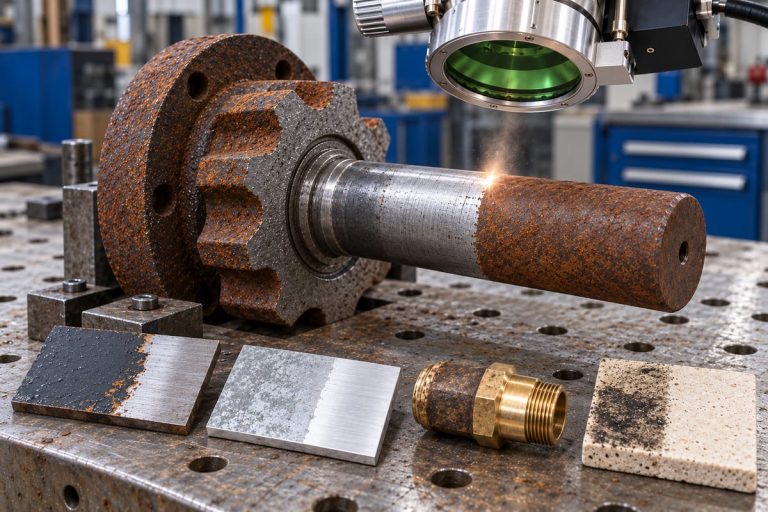
What Types Of Materials And Surfaces Can Lasers Clean
This article explores what materials and surfaces lasers can clean, including metals, coatings, plastics, and delicate substrates. Learn key factors affecting compatibility and performance.
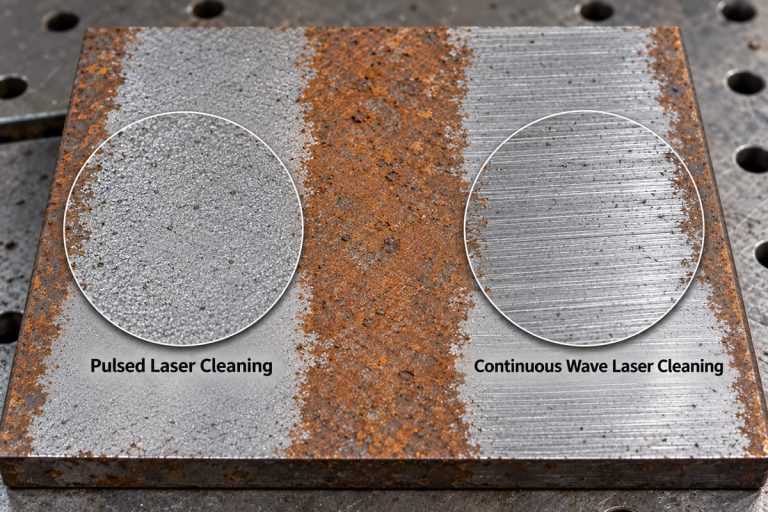
Pulsed VS Continuous Wave Laser Cleaning Machines
This article compares pulsed and continuous-wave laser cleaning machines, explaining their working principles, performance differences, applications, costs, safety factors, and how to select the right system.
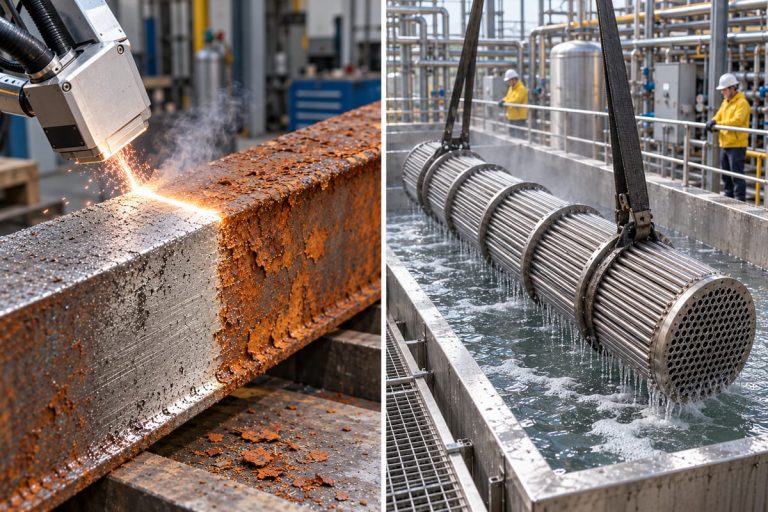
Laser Cleaning VS Ultrasonic Cleaning
This article explores the differences between laser cleaning and ultrasonic cleaning, comparing their techniques, applications, advantages, and factors to consider when choosing the right method for various industries.
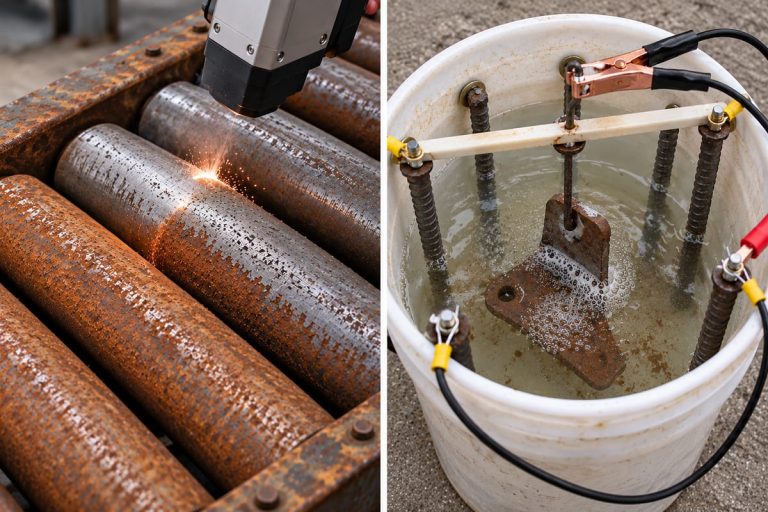
Laser Rust Removal VS Electrolytic Rust Removal
This article explains how laser rust removal and electrolytic rust removal work, compares their performance, costs, surface effects, and helps users choose the right method.
Frequently Asked Questions
What Types Of Materials Can Be Cleaned With Laser Cleaning Machines?
- Carbon Steel and Cast Iron: Carbon steel, structural steel, and cast iron are common candidates for laser cleaning. Applications include removing rust, mill scale, paint, and oily residues from machinery, tools, automotive components, and fabricated structures. Thick contamination may require slower scanning or several passes.
- Stainless Steel: Laser cleaning can remove surface oxides, processing residues, and unwanted coatings from stainless steel components. It is useful when preparing parts for welding or bonding. Settings must be controlled to preserve the required surface finish and avoid unwanted surface changes.
- Aluminum and Aluminum Alloys: Aluminum parts can be cleaned to remove oxide layers, oil, paint, and manufacturing contamination before welding, coating, or adhesive bonding. Thin sections and finished surfaces require careful process control. Anodized layers may also be removed, so preservation requirements should be clearly defined.
- Copper, Brass, Titanium, and Other Metals: Suitable laser cleaning systems can clean copper, brass, titanium, nickel, and various alloys. Typical tasks include removing oxidation, coatings, and production residues. Each metal responds differently, so settings developed for steel should not automatically be transferred to another material.
- Stone and Concrete: Marble, limestone, granite, and concrete can undergo controlled laser cleaning to remove soot, grime, and surface deposits. Applications include building facades, monuments, and sculptures. Mineral composition, porosity, and existing finishes affect results, making preliminary testing particularly important for historic surfaces.
- Ceramics: Selected ceramics can be cleaned to remove accumulated residues from molds, printing rollers, and other components. Laser settings must remove the contamination while preserving the ceramic surface. Glazes, decorative finishes, and fragile artifacts require individual assessment rather than a standard cleaning recipe.
- Glass (Specialized Applications): Some glass surfaces can be laser cleaned, but compatibility depends strongly on glass composition and the laser configuration. The machine suitable for rust removal is not automatically suitable for glass. A validated process is needed to avoid surface damage.
- Plastics and Composites: Certain plastics and fiber-reinforced composites can undergo selective cleaning or surface preparation before bonding and coating. However, many polymers are sensitive to laser exposure. Testing must confirm that contamination is removed without unacceptable melting, discoloration, resin loss, or damage to reinforcing fibers.
- Rubber and Wood (Limited Suitability): Specialized automated systems can clean selected rubber surfaces, including tire interiors, before bonding. Wood is generally difficult to clean consistently because it can scorch. Neither material should be treated as a routine application for general-purpose handheld laser cleaning machines.
What Laser Power Options Are Available For Laser Cleaning Machines?
- 1500W Continuous Wave Laser Cleaning Machines: The lowest continuous-wave option listed suits general metal maintenance, rust removal, and surface preparation. It is a practical starting point where production volumes are moderate, and the substrate can tolerate thermal exposure.
- 2000W Continuous Wave Laser Cleaning Machines: This option provides additional average power for industrial rust, paint, and oxide removal. It can improve throughput over comparable 1500W laser cleaning systems when contamination, scanning conditions, and surface requirements permit.
- 3000W Continuous Wave Laser Cleaning Machines: The higher-output choice for larger steel components, machinery, and fabricated structures. They can support faster coverage or demanding removal tasks, provided scanning speed and overlap prevent excessive heating.
- 6000W Continuous Wave Laser Cleaning Machines: The highest continuous-wave option listed targets demanding industrial cleaning and large work areas. Its higher output requires appropriately rated cleaning heads, cooling, and electrical infrastructure. Trials should establish achievable cleaning rates and acceptable surface conditions.
- 100W Pulsed Laser Cleaning Machines: The lower-average-power option for localized cleaning, small components, and thin contamination layers. It supports controlled treatment where the total cleaned area is limited, although effectiveness depends strongly on pulse energy and optics.
- 200W Pulsed Laser Cleaning Machines: The option for repeatable cleaning of tools, components, and selected restoration work. It offers more average-power capacity than 100W, while pulse duration, frequency, and scanning settings determine the resulting cleaning action.
- 300W Pulsed Laser Cleaning Machines: The intermediate option for regular maintenance and production cleaning. It can increase processing capacity on compatible applications, but wattage alone does not establish better finish quality or faster contaminant removal.
- 500W Pulsed Laser Cleaning Machines: The higher-output pulsed option for industrial rust, oxide, and coating removal. It can support larger treatment areas or shorter cycles while retaining pulse control for managing interaction with the substrate.
- 1000W Pulsed Laser Cleaning Machines: This option addresses demanding workloads involving larger components and higher production volumes. Effective use requires matching pulse characteristics and scanner performance to the contamination, required finish, and acceptable heat input.
- 2000W Pulsed Laser Cleaning Machines: The highest pulsed option listed addresses intensive industrial surface preparation and coating removal. It combines high average output with pulsed energy delivery, although unsuitable settings can still cause overheating or substrate damage.
What Are the Disadvantages of Laser Cleaning Machines?
- High Initial Investment: Purchasing laser cleaning machines can cost considerably more than basic mechanical cleaning equipment. Extraction, cooling, safety enclosures, automation, and installation can increase the total investment, making occasional or low-volume work harder to justify financially.
- Limited Material Compatibility: Standard laser cleaning machines are not suitable for every substrate. Many plastics, elastomers, wooden surfaces, and certain glass products can melt, scorch, crack, or undergo unwanted changes. Specialized equipment and sample testing may be necessary.
- Risk of Substrate Damage: Incorrect power, pulse settings, focus, scanning speed, or overlap can cause discoloration, roughening, pitting, melting, or distortion. Thin sections, polished finishes, and sensitive coatings require particular care. Pulsed operation reduces some thermal risks but does not eliminate damage.
- Variable Cleaning Speed: Thick coatings, heavy deposits, and large treatment areas may require repeated passes or higher-output equipment. For some applications, abrasive blasting or chemical stripping can be faster or more economical. Cleaning rates must be demonstrated on representative samples.
- Restricted Access to Hidden Areas: The laser beam needs a clear optical path to the target surface. Deep cavities, narrow channels, internal pipe surfaces, and shadowed regions can be difficult to reach. Repositioning parts or adding specialized optics increases complexity.
- Process Development and Training: Establishing a reliable process requires understanding material response, working distance, scanning patterns, and suitable settings. The successful recipe for one coating or substrate may not transfer to another, creating additional setup and validation work. Operators also need appropriate equipment and safety training.
- Laser Safety Requirements: Exposed high-power beams and reflections can injure eyes and skin. Handheld operations require carefully designed beam containment, controlled access, and suitable protection. Enclosures and interlocks can simplify routine operation, but add cost and installation requirements.
- Fumes, Dust, and Waste Handling: Removed contaminants do not simply disappear. Cleaning can generate airborne particles and gases, including hazardous emissions from some paints and coatings. Local extraction, appropriate filtration, and disposal of collected residues remain necessary operating responsibilities.
- Maintenance and Operating Requirements: Electricity, extraction filters, protective windows, and cooling-system servicing contribute to running costs. Contaminated optics can reduce performance or suffer damage. Equipment faults may require specialist support, creating downtime even though routine maintenance is generally modest.
Why Are Laser Cleaning Machines So Expensive?
- Advanced Laser Sources: The laser generator must provide stable, repeatable output during extended operation. Higher power, demanding beam quality, and adjustable pulse characteristics increase technical requirements. Wattage alone does not capture these differences, particularly when comparing pulsed and continuous-wave equipment.
- Precision Optics and Scanning Heads: The cleaning head guides and distributes laser energy across the surface. Focusing lenses, scanning components, protective windows, and specialized optics must handle the beam accurately. Advanced focusing capabilities and optics for difficult geometries add hardware and engineering costs.
- Cooling and Power Management: Depending on output and design, machines require air cooling or a water chiller, together with suitable power supplies and monitoring systems. These components maintain operating conditions and protect sensitive equipment, adding to the complete system price.
- Control Systems and Software: Touchscreen interfaces, stored cleaning recipes, adjustable scanning patterns, and coordinated laser controls require electronics and software development. More advanced systems may include autofocus, cameras, process monitoring, and communication with factory equipment, increasing configuration and integration costs.
- Laser Safety Engineering: Interlocks, emergency stops, warning systems, and beam containment add equipment and design requirements. Enclosed workstations also need suitable viewing windows and access protection. For exposed-beam machines, establishing an appropriate controlled working area can increase installation costs.
- Fume Extraction Equipment: Laser cleaning produces airborne contaminants that need capture and filtration. Extraction units, filters, hoses, and collection nozzles contribute to the installed cost. This equipment may be integrated, offered as an option, or purchased separately from the base machine.
- Industrial Construction and Quality Verification: Robust frames, protected components, and careful assembly support reliable industrial operation. Optical alignment, calibration, and performance checks require skilled labor and test equipment. These activities help deliver consistent cleaning results and contribute to manufacturing and commissioning costs.
- Automation and Customization: Robotic handling, conveyors, rotary fixtures, motorized positioning, and customized workstations increase project complexity. Engineers must coordinate movement, laser operation, part access, and safety functions. A complete automated production cell consequently costs more than a basic handheld unit.
- Application Testing and Technical Support: Sample trials, parameter development, commissioning, operator training, documentation, and service support require specialist time. Their scope varies between suppliers, and services may be included in the quotation or charged separately, affecting the overall purchase comparison.
How to Choose Laser Cleaning Machines?
- Material and Contamination: Identify the substrate, alloy, surface finish, and condition, along with the type and thickness of rust, paint, oxide, or residue. Confirm compatibility, particularly for thin parts, plastics, composites, and surfaces with finishes that must remain intact.
- Continuous Wave or Pulsed Operation: Consider continuous-wave laser cleaning systems for intensive cleaning of robust surfaces that tolerate greater thermal exposure. Pulsed laser cleaning systems generally offer more control for selective removal and sensitive components. Confirm the choice through trials, since both types can damage unsuitable materials.
- Power and Pulse Characteristics: Select power according to demonstrated cleaning performance. For pulsed laser cleaning systems, compare average power, pulse energy, pulse duration, and repetition frequency. Evaluate these together with spot size and scanning settings; wattage alone cannot predict cleaning quality or speed.
- Representative Sample Testing: Ask suppliers to clean your actual parts under realistic conditions, including difficult contamination and batch variations. Assess remaining residues, discoloration, roughness, and dimensional changes. Where relevant, verify subsequent welding, coating, or bonding performance and obtain documented test results.
- Productivity and Cycle Time: Request a demonstrated cleaning rate for your material and contamination thickness. Include loading, repositioning, repeated passes, and operator handling in the calculation. Confirm that the complete workflow meets daily production requirements and acceptable downtime.
- Machine Configuration and Usability: Choose handheld equipment for flexible on-site tasks, enclosed workstations for repeatable component processing, or automated systems for repetitive production. Evaluate handpiece weight, cable management, operator comfort, control clarity, and the ability to save proven cleaning recipes.
- Geometry and Beam Access: Check working distance, scanning width, focusing range, and access to every required surface. Deep cavities, narrow openings, and internal channels may need specialized optics or another method. Rotary fixtures and additional positioning axes can improve coverage.
- Safety and Emission Control: Assess beam containment, interlocks, access controls, and suitable protection for exposed-beam operation. Specify extraction and filtration for the actual contaminants. Confirm which safety measures and extraction components are included in the quotation and installation scope.
- Site and Utility Requirements: Verify supply voltage, phase, total electrical demand, cooling requirements, floor space, and operating environment. Confirm that the machine can be moved to the intended work locations. Rated laser output should be distinguished from total machine power consumption.
- Total Cost and Supplier Support: Compare equivalent quotations covering equipment, installation, training, extraction, maintenance, and consumables. Review warranty terms, spare-parts availability, service response, and application support. Estimate cost per cleaned part or area using verified throughput and realistic utilization.
What Is the Difference Between Continuous Laser Cleaning and Pulse Laser Cleaning?
- Energy Delivery: Continuous-wave lasers emit a continuous beam while active. Pulsed lasers release energy in short, separate bursts, commonly lasting nanoseconds in industrial cleaning. This concentrated delivery can produce high instantaneous intensity without requiring the same sustained exposure as a continuous beam.
- Heat Effects: Continuous-wave laser cleaning generally involves stronger sustained thermal interaction, increasing the risk of overheating, discoloration, or distortion when settings are unsuitable. Short pulses can limit heat diffusion during each interaction. However, pulsed cleaning can still cause heat accumulation, especially with excessive overlap or slow scanning.
- Precision and Surface Protection: Pulsed laser cleaning systems provide additional control through pulse energy, duration, and repetition frequency, making them useful for selective layer removal and sensitive surfaces. Continuous-wave laser cleaning systems also require careful adjustment, particularly of power, spot size, scanning speed, and overlap, to preserve the required finish.
- Cleaning Speed: High-power continuous-wave laser cleaning systems can provide productive cleaning of robust surfaces and large workpieces. High-average-power pulsed laser cleaning systems can also process large areas rapidly. The faster option depends on coating thickness, absorption, scan configuration, and required surface quality; operating mode alone does not determine productivity.
- Power Ratings: Both types are described using average optical output power, but pulsed lasers also have a separate peak-power value. The lower-average-power pulsed source can deliver intense individual pulses. Consequently, comparing machines solely by their wattage can give a misleading picture of cleaning performance.
- Typical Applications: Continuous-wave laser cleaning is often considered for steel structures, heavy machinery, and industrial maintenance where thermal exposure is acceptable. Pulsed laser cleaning is frequently selected for precision components, molds, controlled coating removal, and restoration. Material sensitivity and contamination characteristics should determine suitability.
- Purchase Cost and System Requirements: Continuous-wave laser cleaning machines generally have a lower purchase price for bulk cleaning, while pulsed laser cleaning equipment often costs more because of its laser architecture and pulse-control capabilities. Cooling, electrical demand, portability, and automation requirements depend on the complete configuration, not simply the operating mode.
- Safety and Emission Control: Both technologies require protection against hazardous laser exposure and reflections, together with suitable extraction for removed contaminants. Pulsed operation still presents beam hazards and generates airborne emissions. Enclosures, access controls, and filtration should match the actual equipment and cleaning task.
Do Laser Cleaning Machines Require Ventilation Systems When in Use?
- Airborne Contaminants: Laser cleaning can generate fine particles, metal-containing dust, and gases or vapors from decomposing surface deposits. The hazards depend on the removed layer and substrate. Identify coating composition before cleaning, especially when old paint or unidentified residues are present.
- Local Exhaust Ventilation: Capture emissions close to the laser–surface interaction using an extraction nozzle, hood, or suitably extracted enclosure. Position capture equipment so the plume is removed before passing through the operator’s breathing zone. Integrated nozzles still need a suitable extraction unit.
- General Room Ventilation: Fresh-air ventilation supports source extraction and helps manage remaining contamination. Open windows, air conditioning, or a fan blowing across the workpiece cannot reliably capture the cleaning plume. Provide adequate replacement air without creating drafts that disrupt extraction.
- Filtration Selection: Particle filters, including appropriately selected HEPA filters, capture airborne solids. They do not remove gases and vapors. These may require suitable gas-treatment media or controlled exhaust discharge. Activated carbon has limited capacity and does not capture every gaseous contaminant.
- Airflow and System Sizing: There is no universal extraction airflow determined solely by laser wattage. Required performance depends on removal rate, plume behavior, hood geometry, working distance, duct resistance, and filter loading. Have a competent ventilation specialist specify and verify the installed system under representative operating conditions.
- Exhaust Discharge and Recirculation: Position exhaust outlets to prevent contaminants from returning through windows or air intakes or exposing nearby people. Returning filtered air indoors requires an assessment of all relevant contaminants and verified treatment performance. The particulate filter alone cannot establish safe recirculation.
- Outdoor and Mobile Work: Outdoor operation does not automatically ensure acceptable exposure. Wind can carry emissions toward the operator, nearby workers, or surrounding areas. Assess the location and coating hazards, and use appropriate source capture or other validated controls for the task.
- Monitoring and Maintenance: Check hood positioning, airflow indicators, hose connections, and filter condition before operation. Replace filters and clean collection components as instructed. Investigate reduced capture promptly, and maintain records of system testing. Exposure monitoring may be needed to confirm effective control.
What PPE Is Required When Using Laser Cleaning Machines?
- Laser Protective Eyewear: Wear laser safety glasses or goggles matched to the actual wavelength and required optical density. The laser safety specialist should confirm suitability for the output and pulse characteristics. Ordinary safety glasses, sunglasses, and standard welding filters are not automatic substitutes. Protect everyone exposed within the assessed laser hazard area.
- Face Protection: Use a face shield or suitable helmet when the assessment identifies facial exposure to debris, hot particles, or optical radiation. Any shield relied on for laser protection must have appropriate laser ratings. It must work with the required eyewear without compromising protection.
- Protective Clothing: For exposed-beam cleaning, suitable flame-resistant long sleeves and full-length trousers help cover the skin and reduce thermal injury risks. Avoid clothing that readily melts or ignites. Additional protective sleeves or aprons may be needed, depending on the task and manufacturer’s instructions.
- Protective Gloves: Select gloves for the assessed heat, cut, and contamination hazards while maintaining the dexterity needed to control the cleaning head. Handling sharp metal, hot parts, or hazardous residues can require different glove materials. Gloves do not make direct beam exposure safe.
- Respiratory Protection: Use appropriately selected respiratory protection when the exposure assessment identifies remaining inhalation risks. Particle filters do not protect against gases or vapors. Tight-fitting respirators require fit testing and an effective face seal. Respirators supplement suitable extraction rather than replacing source control.
- Safety Footwear: Wear safety shoes or boots where heavy workpieces, sharp debris, hot particles, or slippery floors create foot hazards. Select the appropriate toe, sole, and thermal protection for the workplace. Additional protection may be necessary when handling large industrial components.
- Hearing Protection: Earplugs or earmuffs may be required when noise from the cleaning process, extraction equipment, compressors, or nearby machinery reaches hazardous levels. Base selection on a noise assessment, and ensure hearing protection remains compatible with eyewear, face shields, and other equipment.
- Enclosed Systems and Maintenance: The properly functioning Class 1 enclosure normally removes the need for laser-specific eyewear during routine operation. General workshop PPE may still apply. Servicing, opening protective housings, or changing contaminated filters requires a separate assessment and appropriate task-specific protection.