
Product Introduction
Types of Automatic Laser Welding Machines
-

FW-PA Laser Welding Machine
Rated 4.63 out of 5$13,650.00 – $30,550.00Price range: $13,650.00 through $30,550.00 Select options This product has multiple variants. The options may be chosen on the product page -
FW-R Laser Welding Robot
Rated 4.63 out of 5$17,550.00 – $34,450.00Price range: $17,550.00 through $34,450.00 Select options This product has multiple variants. The options may be chosen on the product page
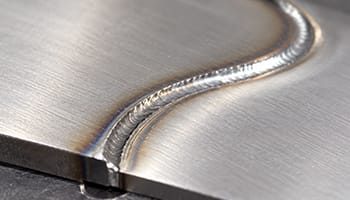
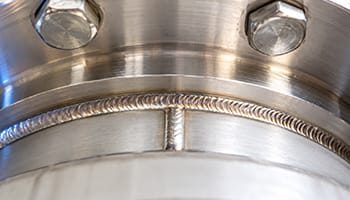
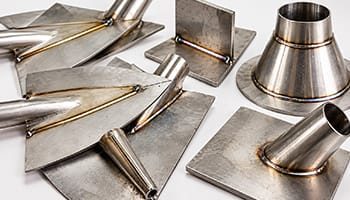
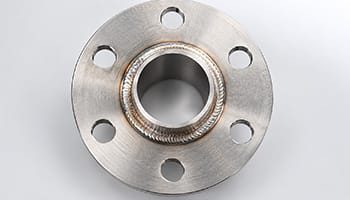
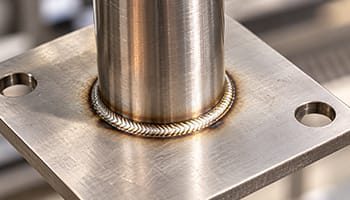
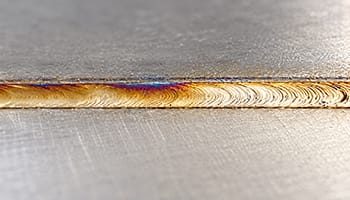
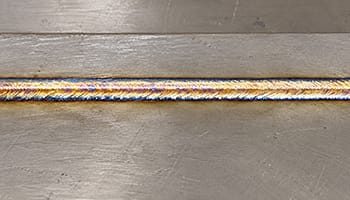
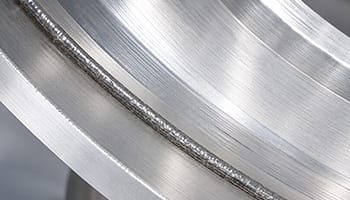
Application of Automatic Laser Welding Machines
Why Choose Us
Industrial-Grade Build Quality
Our machines are built with robust components and high-precision engineering to ensure long-term durability and consistent welding performance in demanding environments.
Advanced Technology Integration
We offer intelligent control systems, auto-focus laser heads, and real-time monitoring to deliver fast, accurate, and stable welding results.
Comprehensive Application Support
Our machines support a wide range of welding methods and materials, from thin sheets to complex assemblies, across multiple industries.
Customizable Solutions
We provide machine configurations tailored to your specific workflow, product design, and production volume for optimal performance and efficiency.
Global Service and Training
Faster Laser offers professional training, technical support, and fast-response service to ensure seamless operation and minimal downtime.
Cost-Effective Investment
Our machines combine high-quality performance with competitive pricing, helping businesses maximize productivity while minimizing energy, labor, and material waste.
Automatic Laser Welding Machines VS Other Welding Machines
| Comparison Item | Automatic Laser Welding Machine | TIG Welding Machine | MIG Welding Machine | Plasma Arc Welding Machine |
|---|---|---|---|---|
| Welding Method | Focused laser beam + CNC/robotic automation | Tungsten electrode with manual filler | Wire-fed arc with shielding gas | High-temperature ionized gas arc |
| Precision | Very high | High | Moderate | Moderate |
| Welding Speed | Fast, continuous | Slow | Moderate | Fast |
| Heat Affected Zone (HAZ) | Minimal | Moderate | High | Medium |
| Weld Aesthetics | Smooth, clean, minimal post-processing | Clean but requires skill | May need grinding or finishing | Rougher finish |
| Distortion Control | Excellent | Moderate | Poor | Moderate |
| Automation Capability | Fully automated (CNC/robotic integration) | Limited | Moderate | Moderate |
| Suitable Materials | SS, CS, aluminum, brass, copper | Most metals | Most metals | Conductive metals only |
| Filler Material Requirement | Often not needed | Always required | Always required | Sometimes required |
| Thickness Range | Thin to medium | Thin to thick | Medium to thick | Medium |
| Operating Cost | Low (efficient energy use, minimal waste) | Moderate to high | Moderate | Moderate |
| Maintenance Needs | Low | Moderate | High (spatter, wire feed) | High |
| Production Throughput | High, suitable for mass production | Low | Moderate | High |
| Skill Dependency | Low (automated operation) | High (manual skill required) | Moderate | High |
| Common Applications | Automotive, appliances, electronics, medical | Aerospace, pipelines, structural welding | Metal fabrication, repair | Cutting and welding conductive materials |
Customer Testimonials
Related Resources
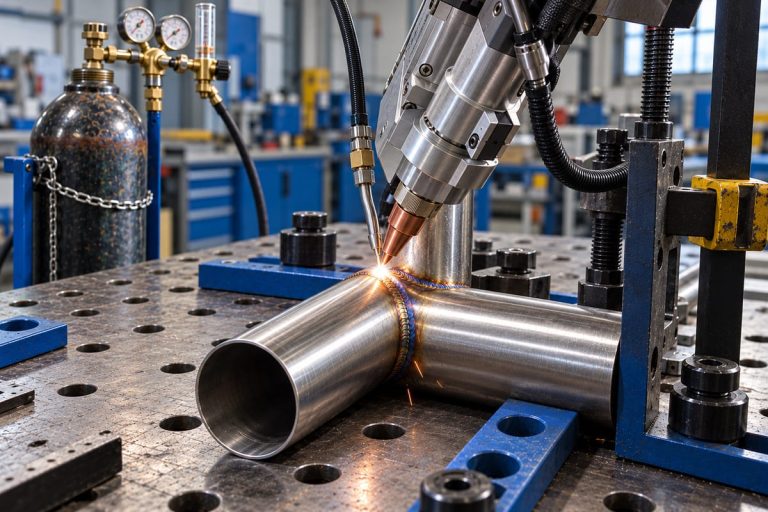
Does Laser Welding Require Assist Gas
This article explores whether laser welding requires assist gas, including its functions, material considerations, process impact, cost tradeoffs, and practical guidance for real-world applications.
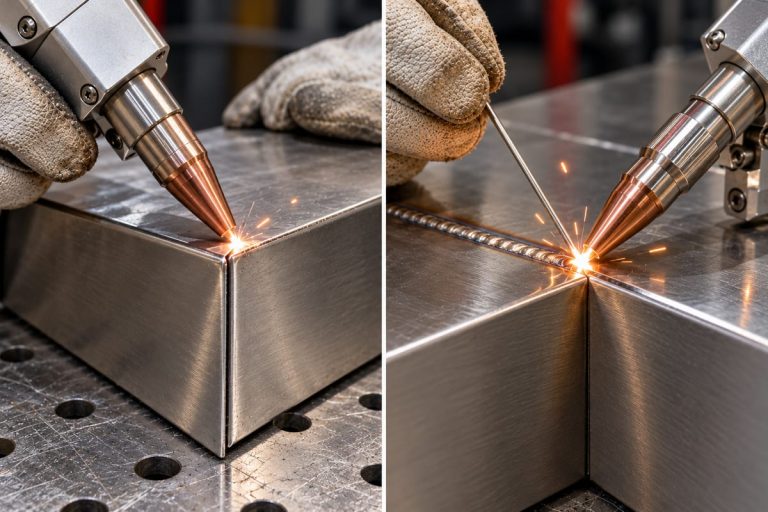
Autogenous VS Filler Laser Welding
This article explores the differences between autogenous and filler laser welding, including process principles, material behavior, joint design, defects, cost factors, and selection guidelines.
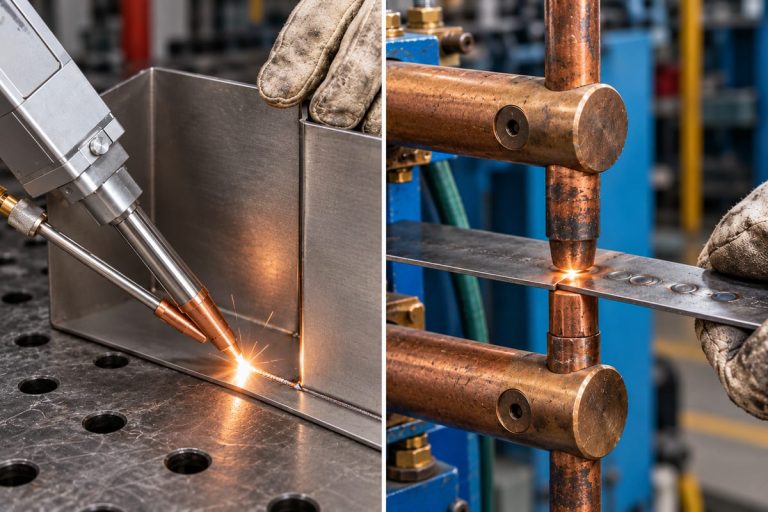
Laser Welding VS Resistance Welding
This article explores the key differences between laser welding and resistance welding, examining factors like heat generation, material compatibility, weld quality, speed, and practical applications in various industries.
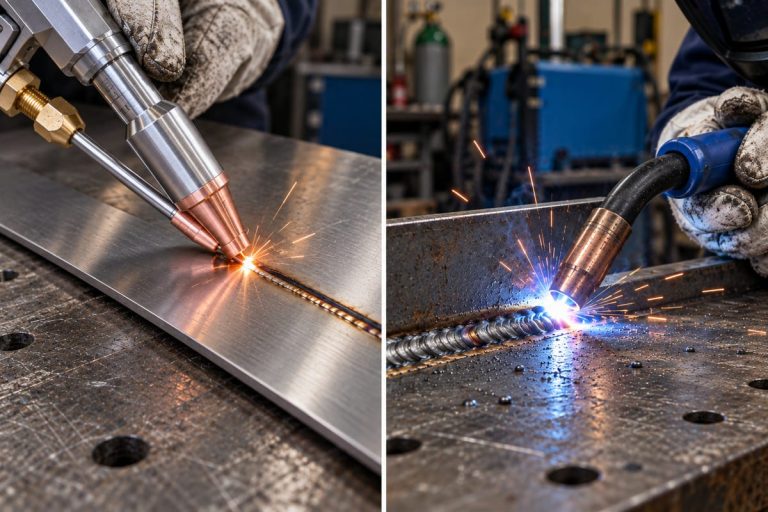
Laser Welding VS MIG Welding
This article provides a detailed comparison of laser welding and MIG welding, covering principles, performance, cost, applications, and factors to consider when selecting the appropriate process.
Frequently Asked Questions
What Are Automatic Laser Welding Machines?
- Programmed Welding Process: The laser melts a localized area along the metal joint, which solidifies into a welded connection. The controller coordinates laser output, travel speed, and movement along a predefined path. Depending on the equipment, the program may also control pulse timing, shielding gas, and optional filler wire.
- Machine Configurations: These machines include CNC workstations, rotary welding systems, robotic cells, and scanner-based systems. Some move the welding head, others reposition the workpiece, and scanner systems steer the beam optically. The typical installation combines the laser source, processing optics, cooling, controls, motion equipment, and workholding fixtures.
- Compatible Metals: Suitable systems weld stainless steel, carbon steel, aluminum alloys, copper, titanium, and nickel alloys. Capabilities depend on the laser source, beam characteristics, material thickness, and joint design. Reflective metals and dissimilar combinations require appropriate equipment and qualified parameters; automation does not make every alloy combination weldable.
- Part Handling and Automation: Many workstations use automatic welding while an operator loads, clamps, and unloads the components. More extensively automated installations incorporate conveyors, robotic loading, rotary indexing tables, or production-line interfaces. The required automation level depends on production volume, component variation, cycle time, and available floor space.
- Production Advantages: Programmed motion reduces variation in welding speed and beam placement, supporting consistent output and predictable cycle times. Concentrated heating can also produce narrow seams with limited distortion. Productivity gains depend on the complete workflow, including loading, fixture changes, inspection, and maintenance, as well as welding speed.
- Optional Quality Monitoring: Depending on configuration, cameras, seam-position correction, and weld monitoring can help maintain alignment and detect changes during production. Some systems record welding data or measure penetration depth during production. These capabilities support traceability and process control, but their coverage must match the application’s inspection requirements.
- Industrial Applications: Automatic metal laser welding is used in automotive manufacturing, battery production, electronics, medical devices, aerospace components, and sheet metal fabrication. Typical tasks include joining metal housings, electrical contacts, brackets, precision assemblies, and repeated seams where consistent placement and controlled heat input are important.
- Setup and Operating Requirements: Reliable results require clean parts, consistent joint gaps, suitable fixtures, and validated welding programs. Operators remain responsible for setup, supervision, maintenance, and quality checks. Installations also need appropriate laser containment, interlocks, fume extraction, and shielding arrangements where required by the material and process.
What Are The Disadvantages Of Automatic Laser Welding Machines?
- High Initial Investment: The cost extends beyond the laser source. Motion systems, fixtures, safety enclosures, cooling, extraction, software, installation, and process qualification can add substantially to the project budget. Financial returns depend on equipment utilization and savings across the complete production workflow.
- Strict Fit-Up Requirements: The focused beam often has limited tolerance for inconsistent gaps, misalignment, or changes in joint position. Metal components may need accurate cutting, forming, cleaning, and clamping. Poor part consistency can cause underfill, incomplete fusion, or rejected assemblies, even when programmed motion is highly repeatable.
- Programming and Changeover Demands: New components may require different fixtures, welding paths, parameter development, and validation. Skilled personnel are needed to establish reliable programs and troubleshoot problems. For frequently changing or very small batches, preparation and changeover time can reduce the value of a fast welding cycle.
- Material and Thickness Constraints: The single configuration cannot weld every metal, thickness, or alloy combination equally well. Copper and aluminum require suitable beam characteristics and processing conditions, while some alloys are susceptible to cracking. Required penetration and production speed may demand a different laser source or additional process development.
- Restricted Joint Access: The beam must reach the seam at a suitable angle without being blocked by the component or fixture. Deep recesses, complex internal joints, and oversized assemblies may require repositioning, additional motion axes, or part redesign. Robot reach and enclosure dimensions also limit which parts a cell can accommodate.
- Defects Still Require Inspection: Porosity, cracking, incomplete fusion, and undercut remain possible in automatic welding. An unsuitable program or changing process conditions can reproduce defects across multiple parts. Surface appearance alone cannot confirm internal weld quality, so monitoring, sectioning, leak testing, or other inspection may be necessary.
- Maintenance and Downtime: Protective optics, cooling systems, extraction filters, fixtures, and motion components require inspection and maintenance. Contamination, worn tooling, or positioning errors can interrupt production. The fault in an integrated cell may stop the entire welding station, and specialized troubleshooting or replacement parts can extend downtime.
- Safety and Infrastructure Requirements: Installations need appropriate laser containment, interlocks, restricted access, and controls for hazardous metal fumes. Electrical supplies, cooling, and shielding gas arrangements must also meet equipment requirements. These provisions consume floor space and add installation and operating costs; automation does not eliminate the need for trained supervision.
What Power Options Are Available For Automatic Laser Welding Machines?
- 1500W Automatic Laser Welding Machines: This option can suit thin-metal assemblies, small brackets, electronic housings, and components with modest penetration requirements. It is a practical starting point for repetitive stainless steel or mild steel welding when trials confirm acceptable speed and joint strength. Adjustable output allows the welding program to match the seam’s heat requirements. Performance still depends on beam quality, focused spot size, joint fit-up, and travel speed, so the rating alone does not establish a maximum thickness.
- 2000W Automatic Laser Welding Machines: The 2000W option provides additional output for general sheet metal fabrication and production involving different seam requirements. With comparable optics and processing conditions, the extra power may support faster travel or greater penetration than a 1500W system. Potential applications include metal cabinets, equipment covers, and fabricated assemblies. Suitable aluminum applications may also be possible with appropriate equipment and procedures. Confirm that the complete machine meets your material mix, required cycle time, and penetration targets.
- 3000W Automatic Laser Welding Machines: The 3000W system can be considered when production requires greater penetration, higher welding speeds, or a wider range of metal joint requirements. It can support automated welding of stainless steel, carbon steel, and suitable aluminum components with matched processing optics. Typical applications include machinery parts, automotive assemblies, and repeated seams in fabricated metal products. Available power must be coordinated with beam movement, wire feeding where used, and fixture accuracy to achieve consistent fusion throughout production.
- 6000W Automatic Laser Welding Machines: This option provides greater capacity for demanding industrial welding, including thicker metal sections and high-throughput production where the process benefits from additional power. It can also increase travel speed on thinner components when parameters are properly developed. Suitable applications may include substantial steel assemblies and aluminum joints requiring deeper penetration. The welding head, beam delivery, cooling equipment, and electrical installation must support the selected output. Higher power still requires careful control to prevent excessive melting, spatter, or burn-through.
What Materials Can Be Welded With Automatic Laser Welding Machines?
- Stainless Steel: Austenitic grades such as 304L and 316L are widely used for welded enclosures, food-processing equipment, and precision assemblies. Automatic laser welding systems support consistent seam placement and controlled heat input. Appropriate shielding and post-weld surface treatment, where required, help maintain appearance and corrosion performance.
- Carbon and Low-Alloy Steel: Mild steel is suitable for brackets, frames, housings, and automotive components. Consistent preparation and fixturing help maintain fusion during repeated cycles. Higher-carbon and hardenable grades require additional procedure control because rapid cooling can produce brittle regions, reduced toughness, or cracking.
- Aluminum and Aluminum Alloys: Selected aluminum alloys can be welded for lightweight housings, transport components, and battery assemblies. Surface oxide, reflectivity, and high thermal conductivity influence the process. Some alloys need suitable filler wire or tailored parameters to limit cracking and porosity; automatic motion alone cannot resolve these metallurgical challenges.
- Copper: Copper is used in electrical contacts, busbars, battery connections, and heat-transfer components. Automatic welding can position the beam consistently on small joining areas. However, copper’s reflectivity and rapid heat conduction require an appropriate laser source, focused beam, and validated energy delivery to achieve reliable penetration.
- Brass: Copper-zinc alloys can be laser welded with suitable equipment and carefully developed procedures. Applications may include fittings, electrical hardware, and decorative metal assemblies. Zinc evaporation can destabilize the molten pool and cause pores, spatter, or underfill, so standard settings for steel should not be assumed suitable.
- Galvanized Steel: Zinc-coated sheet steel can be welded in automated production, particularly for automotive and fabricated metal components. Overlapping joints need special attention because trapped zinc vapor can cause blowholes and porosity. Controlled venting, suitable process strategies, and effective fume extraction are important for consistent production.
- Titanium and Titanium Alloys: These materials can be welded for aerospace structures, medical components, and other demanding assemblies. Clean surfaces and high-purity inert gas protection are essential. Shielding may need to cover the weld face, underside, and cooling region; enclosed inert-atmosphere workstations can help control contamination.
- Nickel and Nickel-Based Alloys: Suitable nickel alloys, including selected Inconel and Hastelloy grades, can be welded for heat-resistant or corrosion-resistant components. Weldability varies between grades, and some are sensitive to hot cracking. Joint preparation, filler selection, thermal control, and any required heat treatment must be established through qualification.
What Types Of Joints Are Suitable For Automatic Laser Welding?
- Butt Joints: Two metal pieces meet edge to edge, creating a connection without overlapping material. This arrangement suits sheet assemblies, panels, and tube ends. Automatic welding requires accurate edge preparation and consistent alignment because a narrow beam may miss the interface or fail to bridge excessive gaps.
- Lap Joints: One component overlaps another, allowing the laser to penetrate the upper layer and fuse it to the lower layer. These joints suit sheet metal assemblies and electrical connections. Control overlap, interface spacing, and penetration; weld strength depends on the fused area between the components.
- T-Joints: One metal component meets another approximately at a right angle, commonly in stiffeners, brackets, and supporting structures. Depending on the design, welding can use an accessible fillet or penetration through one component into the adjoining edge. Fixtures must maintain contact while preserving the required beam angle.
- Corner Joints: Metal sheets meet at an angle to form boxes, cabinets, housings, or tanks. Programmed motion can maintain the welding head’s orientation along the corner. Consistent edge location and appropriate heat input are important to avoid uneven melting, undercut, or burn-through, especially on thin walls.
- Edge Joints: Adjacent edges of parallel metal sheets are welded together, making this arrangement useful for selected covers, thin components, and sealing applications. The edges must remain consistently positioned within the beam path. Confirm that the resulting fusion depth and weld section meet the assembly’s service requirements.
- Flanged Joints: Formed metal flanges provide an accessible joining region and can simplify positioning during automated assembly. They are useful for enclosures and fabricated sheet metal products. Flange width, dimensional consistency, clamping access, and shielding coverage must be coordinated with the welding head and programmed movement.
- Circumferential Joints: Cylindrical components, sleeves, and tubes can use circular butt or lap seams. The rotary positioner can turn the component beneath the welding head, or a robot can follow the circumference. Controlling runout, focus, interface spacing, and the seam’s start-and-stop region helps achieve consistent weld quality.
- Self-Locating Joints: Stepped edges, locating shoulders, and tongue-and-groove features can improve alignment before automatic welding. These variations help fixtures position repeated metal parts consistently. However, the locating geometry must still allow beam access and sufficient melting across the interface; mechanical engagement alone cannot establish weld integrity.
What Are The Hazards Of Automatic Laser Welding?
- Laser Radiation and Reflections: Direct, reflected, or scattered laser radiation can cause permanent eye injuries and skin burns. Many welding lasers emit invisible near-infrared radiation, so beam visibility cannot indicate safety. Use appropriately rated containment, interlocked access, and laser-specific protection wherever hazardous exposure remains possible.
- Hazardous Metal Fumes: Welding can release fine metal particles and gases from the base metal, filler wire, coatings, and surface residues. Contaminants may include chromium, nickel, manganese, or zinc compounds, depending on the materials. Capture emissions near their source and assess worker exposure; an enclosure alone does not remove fumes.
- Moving Machinery: Robot arms, CNC axes, rotary positioners, conveyors, and powered clamps can strike, trap, or crush workers. Unexpected movement is especially dangerous during programming, adjustments, or clearing faults. Safeguarding must cover the entire cell, including loading stations, positioners, and auxiliary equipment.
- Fire and Explosion: Laser energy, spatter, and hot metal can ignite combustible materials, flammable vapors, or accumulated dust. Welding containers with flammable residues can cause explosions. Keep the work area suitably prepared, remove ignition-sensitive materials, and assess extraction equipment for the hazards associated with collected particles.
- Hot Metal, Spatter, and Process Light: Welded components, fixtures, and ejected droplets can cause burns during unloading or inspection. Metal may remain dangerously hot without visibly glowing. Intense welding light can also harm eyes. Provide appropriate cooling or handling arrangements and protection against heat, particles, and process radiation.
- Electrical and Stored Energy: Damaged cables, incorrect grounding, or exposure to internal power supplies can cause electrical shock or burns. Pneumatic clamps and other mechanisms can also retain hazardous energy. Servicing requires proper isolation, control of stored energy, and verification; pressing an emergency stop does not establish energy isolation.
- Shielding Gas and Pressure: Argon, helium, and nitrogen can displace oxygen, particularly in poorly ventilated spaces. Pressurized cylinders, regulators, and hoses also present hazards if damaged or incorrectly connected. Secure cylinders, use compatible pressure-rated equipment, and assess ventilation and any need for oxygen monitoring.
- Noise Exposure: Extraction systems, cooling equipment, compressed gas, and nearby fabrication processes can produce harmful cumulative noise exposure. Automatic operation does not guarantee a quiet workstation. Measure exposure under actual production conditions and apply appropriate noise controls and hearing protection when required by the assessment.
What Is The Lifespan Of Automatic Laser Welding Machines?
- Laser Source Ratings: Fiber laser descriptions may quote 50,000–100,000 operating hours, but figures must be checked for the exact model and stated conditions. Some published ratings describe pump-diode mean time between failures, or MTBF. This statistical reliability measure does not establish the guaranteed working life of the complete machine.
- Production Workload: Calendar age alone provides an incomplete picture. The machine running multiple shifts accumulates operating hours and motion cycles much faster than an occasionally used workstation. Record laser operating hours, production cycles, output stability, and maintenance history to assess condition against the actual workload.
- Mechanical Components: Linear guides, bearings, drive systems, robot joints, rotary positioners, and fixtures experience wear during repeated operation. Their useful life depends on loading, speed, lubrication, and alignment. Replacing worn parts and maintaining positioning accuracy can keep the welding cell serviceable without replacing its entire structure.
- Optics and Consumables: Protective windows, nozzles, filters, and other wear items need replacement throughout the machine’s life. Their replacement intervals depend on contamination, spatter, workload, and manufacturer instructions. The damaged protective window can affect welding quality and expose more expensive optical components to further damage.
- Cooling System Condition: Chillers, pumps, fans, hoses, and heat exchangers help maintain the temperatures required by the laser and electronics. Restricted airflow, poor coolant condition, leaks, or incorrect settings can cause faults and damage. Cooling maintenance therefore influences both source reliability and the service life of the complete installation.
- Operating Environment: Dust, metal particles, excessive heat, moisture, condensation, and unstable electrical supplies can cause premature deterioration. Keep the equipment within its specified installation conditions and protect optical connections from contamination. Environmental control becomes particularly important in workshops where grinding, cutting, or other fabrication processes operate nearby.
- Preventive Maintenance: Follow the manufacturer’s schedules for inspections, lubrication, cleaning, calibration, and replacement of service parts. Monitor changes in laser output, positioning accuracy, alarms, and weld quality. Addressing deterioration early can prevent secondary damage and help maintain acceptable performance over additional production cycles.
- Repairability and Technical Support: Available spare parts, compatible replacement sources, controller support, and qualified service affect practical longevity. The older system may be refurbished and returned to production after a condition assessment. Conversely, obsolete electronics or unavailable components may make continued operation uneconomical even when the machine frame remains sound.
How Do I Maintain Automatic Laser Welding Machines?
- Safe Shutdown and Isolation: Before maintenance involving hazardous exposure, follow the approved shutdown and lockout procedure. Isolate all relevant energy sources, control stored energy, and verify isolation before starting work. Allow hot components to cool. The emergency stop alone does not provide energy isolation.
- Optics and Welding Head: Inspect accessible protective windows and nozzles at the specified pre-use intervals. Clean only with approved materials and methods, and replace damaged or permanently contaminated windows with correctly specified parts. Avoid touching optical surfaces or opening sealed optical connections unless trained and authorized.
- Cooling System: Check coolant level, condition, flow, temperatures, hoses, and leaks on water-cooled systems. Use the specified coolant and service intervals; do not add unapproved chemicals. Keep chiller heat exchangers and air-cooled machine vents clean and unobstructed, and investigate cooling alarms before resuming production.
- Motion Systems and Fixtures: Inspect rails, bearings, robot joints, rotary axes, clamps, and locating surfaces for wear, looseness, or contamination. Lubricate only the points specified by the manufacturer using approved lubricants. Maintain repeatable workpiece positioning, and arrange qualified inspection when motion becomes noisy, inaccurate, or inconsistent.
- Shielding Gas and Wire Feeding: Check gas hoses, regulators, connections, and nozzle coverage using approved inspection methods. Confirm that flow and pressure match the validated welding procedure. Where wire feeding is fitted, inspect rollers, liners, guides, and feed consistency, replacing worn parts and preventing wire contamination.
- Extraction and Housekeeping: Check extraction airflow, ducting, filter condition, and any blockage indicators. Replace filters according to the extractor’s instructions and handle collected metal dust using material-appropriate procedures. Remove spatter and debris from fixtures and work areas without dispersing contamination into optics, electrical equipment, or the breathing zone.
- Cables and Safety Functions: Inspect power cables, delivery fibers, protective sleeves, and utility hoses for damage or excessive bending. Have authorized personnel check electrical connections and grounding. Test enclosure interlocks, emergency stops, warning systems, and other safeguards through approved procedures; stop operation if a safety function fails.
- Calibration, Records, and Service: Verify positioning, focus settings, and camera or seam-tracking calibration as specified. Back up welding programs before manufacturer-approved software changes. Record alarms, operating hours, inspections, and replaced parts. Reserve internal laser repairs, electrical servicing, and specialist optical alignment for appropriately qualified technicians.