
Product Introduction
Types of Laser Welding Machines
-

FW Laser Welding Machine
Rated 5.00 out of 5$4,550.00 – $21,450.00Price range: $4,550.00 through $21,450.00 Select options This product has multiple variants. The options may be chosen on the product page -
FW-A Laser Welding Machine
Rated 4.88 out of 5$6,860.00 – $9,660.00Price range: $6,860.00 through $9,660.00 Select options This product has multiple variants. The options may be chosen on the product page -
FW-P Laser Welding Machine
Rated 4.75 out of 5$4,810.00 – $21,710.00Price range: $4,810.00 through $21,710.00 Select options This product has multiple variants. The options may be chosen on the product page -
FW-AT Laser Welding Machine
Rated 4.75 out of 5$7,140.00 – $9,940.00Price range: $7,140.00 through $9,940.00 Select options This product has multiple variants. The options may be chosen on the product page -
FW-D Laser Welding Machine
Rated 4.75 out of 5$5,460.00 – $22,360.00Price range: $5,460.00 through $22,360.00 Select options This product has multiple variants. The options may be chosen on the product page -
FW-S Laser Welding Machine
Rated 4.75 out of 5$8,450.00 – $21,840.00Price range: $8,450.00 through $21,840.00 Select options This product has multiple variants. The options may be chosen on the product page -
FW-T Laser Welding Machine
Rated 4.63 out of 5$4,940.00 – $21,840.00Price range: $4,940.00 through $21,840.00 Select options This product has multiple variants. The options may be chosen on the product page -
FW-F Laser Welding Machine
Rated 4.63 out of 5$5,590.00 – $22,490.00Price range: $5,590.00 through $22,490.00 Select options This product has multiple variants. The options may be chosen on the product page
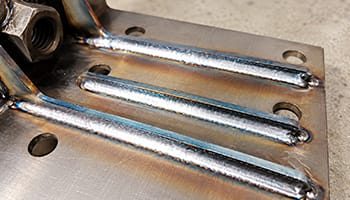
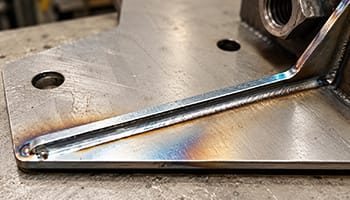
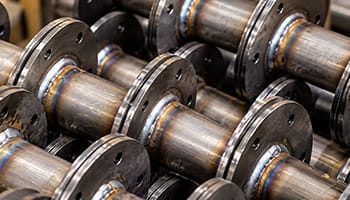
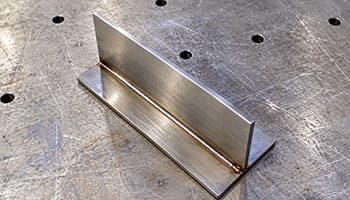
Application of Laser Welding Machines
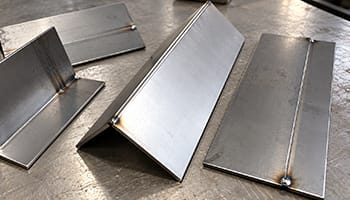
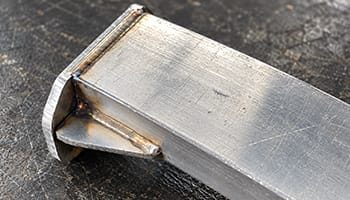
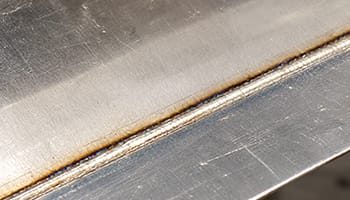
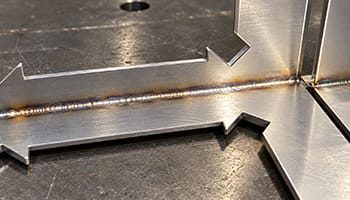
Why Choose Us
Industrial-Grade Build Quality
Our machines are built with robust components and high-precision engineering to ensure long-term durability and consistent welding performance in demanding environments.
Advanced Technology Integration
We offer intelligent control systems, auto-focus laser heads, and real-time monitoring to deliver fast, accurate, and stable welding results.
Comprehensive Application Support
Our machines support a wide range of welding methods and materials, from thin sheets to complex assemblies, across multiple industries.
Customizable Solutions
We provide machine configurations tailored to your specific workflow, product design, and production volume for optimal performance and efficiency.
Global Service and Training
Faster Laser offers professional training, technical support, and fast-response service to ensure seamless operation and minimal downtime.
Cost-Effective Investment
Our machines combine high-quality performance with competitive pricing, helping businesses maximize productivity while minimizing energy, labor, and material waste.
Laser Welding Machines VS Other Welding Machines
| Comparison Item | Laser Welding Machine | TIG Welding Machine | MIG Welding Machine | Plasma Arc Welding Machine |
|---|---|---|---|---|
| Welding Method | Focused laser beam | Tungsten electrode with filler rod | Wire-fed arc welding | Ionized gas arc |
| Precision | Very high | High | Moderate | Moderate |
| Welding Speed | Fast | Slow | Moderate to fast | Fast |
| Heat Affected Zone (HAZ) | Minimal | Moderate | High | Medium |
| Weld Aesthetics | Clean, smooth, minimal discoloration | Clean, requires skill | May require finishing | May require post-processing |
| Material Distortion | Very low | Moderate | High | Medium |
| Suitable Materials | SS, CS, aluminum, brass, copper | Most metals | Most metals | Conductive metals |
| Thickness Range | Thin to medium | Thin to thick | Medium to thick | Medium |
| Filler Material Required | Not always needed | Yes | Yes | Sometimes |
| Automation Compatibility | Excellent | Limited | Moderate | Moderate |
| Operating Cost | Low | Moderate to high | Moderate | Moderate |
| Maintenance Requirements | Low | Moderate | High (spatter, wire feed issues) | High |
| Operator Skill Requirement | Low to moderate (automated/handheld options) | High | Moderate | High |
| Welding Speed on Thin Materials | Very fast | Slow | Moderate | Moderate |
| Common Applications | Precision welding, electronics, automotive | Aerospace, pipelines, structural welding | Fabrication, repair, general metalwork | Cutting and joining conductive metals |
Customer Testimonials
Related Resources
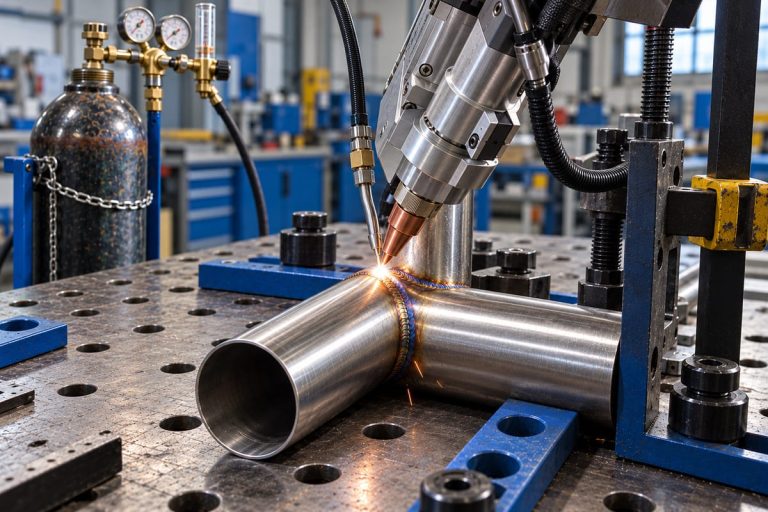
Does Laser Welding Require Assist Gas
This article explores whether laser welding requires assist gas, including its functions, material considerations, process impact, cost tradeoffs, and practical guidance for real-world applications.
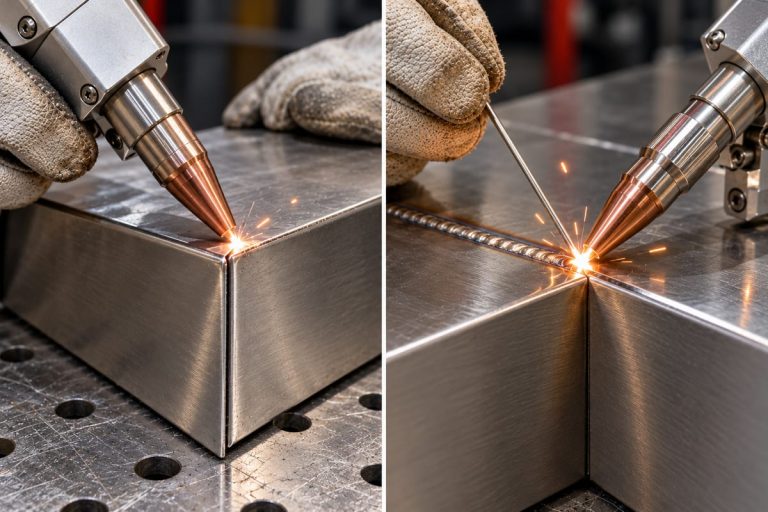
Autogenous VS Filler Laser Welding
This article explores the differences between autogenous and filler laser welding, including process principles, material behavior, joint design, defects, cost factors, and selection guidelines.
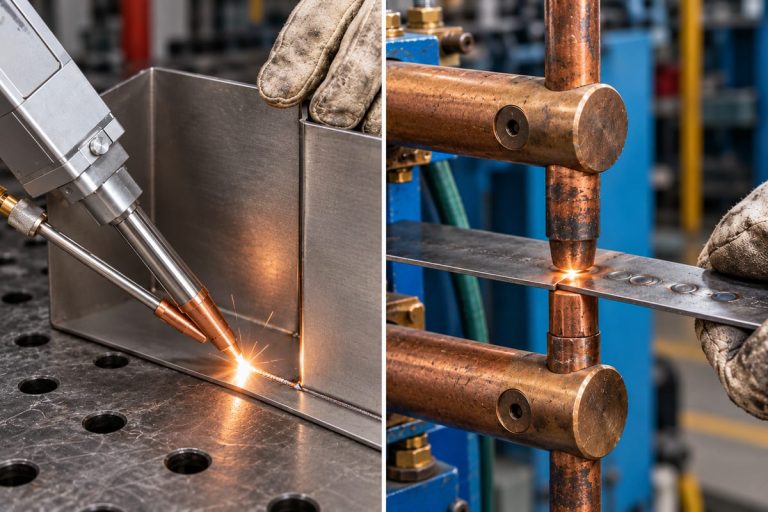
Laser Welding VS Resistance Welding
This article explores the key differences between laser welding and resistance welding, examining factors like heat generation, material compatibility, weld quality, speed, and practical applications in various industries.
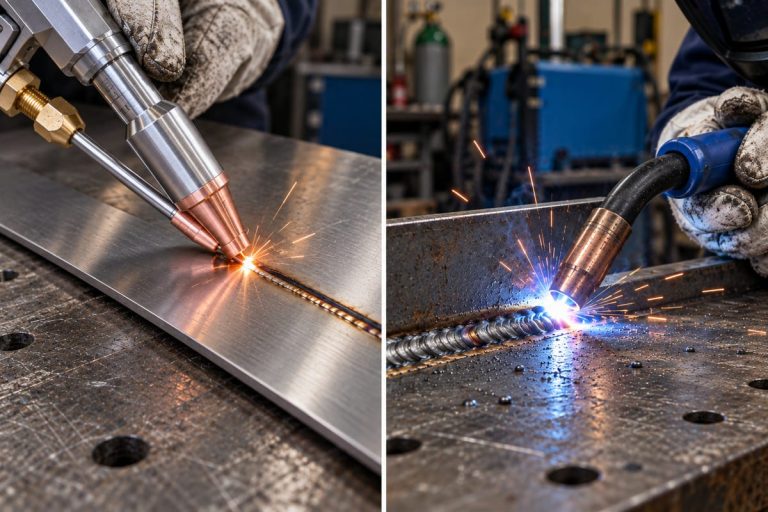
Laser Welding VS MIG Welding
This article provides a detailed comparison of laser welding and MIG welding, covering principles, performance, cost, applications, and factors to consider when selecting the appropriate process.
Frequently Asked Questions
What Are Laser Welding Machines?
- Working Principle: The laser beam focuses onto the joint between metal components, forming a small molten pool. As the beam moves along the joint, this pool solidifies into a weld. Some applications use filler wire, while others fuse the base metals directly without additional material.
- Main Components: The typical machine includes a laser source, welding head, beam delivery system, cooling equipment, and operating controls. Depending on its configuration, it may also incorporate a wire feeder, shielding gas supply, positioning equipment, or monitoring sensors. These components work together to control energy delivery and welding consistency.
- Compatible Metals: Common applications involve stainless steel, carbon steel, and suitable aluminum alloys. Copper and other reflective metals require equipment and settings matched to their properties. Alloy composition, thickness, thermal conductivity, and joint design influence weldability, particularly when joining different metals. Compatibility should be confirmed through application testing.
- Machine Configurations: Handheld laser welding machines allow operators to guide the welding head along accessible joints. Automatic laser welding machines follow programmed paths for repeated production, while robotic systems accommodate more complex movements. The appropriate configuration depends on component geometry, production volume, required consistency, and how parts will be loaded and positioned.
- Welding Modes: Continuous-wave operation supplies sustained laser energy, while pulsed operation delivers energy in controlled bursts. Depending on power density and processing conditions, welding can occur through heat conduction near the surface or through a vapor-filled keyhole that enables deeper penetration. Each approach suits different joint requirements.
- Main Advantages: Concentrated energy can produce narrow seams, small heat-affected zones, and reduced distortion compared with conventional welding under suitable conditions. Many applications also benefit from faster welding and less finishing work. However, weld appearance and strength still depend on preparation, parameter selection, and process control.
- Industrial Applications: Metal laser welding supports automotive manufacturing, sheet metal fabrication, electronics, medical devices, and aerospace production. Typical applications include metal housings, battery components, brackets, and precision assemblies. Manufacturers select the welding process according to requirements such as mechanical strength, electrical conductivity, dimensional accuracy, and leak tightness.
- Operating Requirements: Reliable results require clean surfaces, controlled joint gaps, secure positioning, and suitable shielding where necessary. Safe operation also requires beam containment, access controls, fume extraction, and operator training. Handheld laser welding requires laser-rated eye and face protection; conventional welding helmets alone do not provide adequate protection.
What Materials Can Laser Welding Machines Weld?
- Stainless Steel: Grades such as 304 and 316 are commonly laser welded for kitchen equipment, medical components, and metal enclosures. Concentrated heating helps produce narrow seams with limited distortion. Suitable shielding and, where necessary, post-weld surface treatment help control oxidation and preserve corrosion performance.
- Carbon and Low-Alloy Steel: Mild steel is widely used in laser-welded brackets, housings, automotive parts, and fabricated assemblies. Higher-carbon and hardenable steels require greater care because rapid cooling can produce brittle regions or cracking. Preheating, filler selection, or heat treatment may be needed under a qualified procedure.
- Aluminum and Aluminum Alloys: Many aluminum alloys can be laser welded for lightweight structures, battery housings, and transportation components. Their reflectivity, thermal conductivity, and surface oxide create processing challenges. Some grades are prone to cracking or porosity, making surface preparation, suitable filler wire, and carefully controlled parameters important.
- Copper and Brass: Copper can be welded for electrical contacts, busbars, and heat-transfer components, although its reflectivity and high thermal conductivity demand suitable laser technology. Brass is also weldable, but zinc evaporation can cause spatter, pores, and unstable welding. Both require application-specific settings and effective fume extraction.
- Titanium and Titanium Alloys: These metals can be laser welded for aerospace, medical, and precision engineering applications. Cleanliness and high-quality inert gas shielding are essential because hot titanium readily reacts with atmospheric gases. Protection may be required around the weld face, root, and cooling region to prevent contamination and embrittlement.
- Nickel and Nickel-Based Alloys: Suitable nickel alloys, including certain Inconel grades, can be laser welded for heat-resistant and corrosion-resistant components. Weldability varies considerably between grades. Some are susceptible to hot cracking, so joint preparation, heat input, filler choice, and any required heat treatment must follow a validated procedure.
- Galvanized Steel: Zinc-coated steel can be laser welded for automotive panels and fabricated sheet metal products. However, trapped zinc vapor can create porosity, spatter, or blowholes, particularly in overlapping joints. Appropriate venting arrangements or specialized welding strategies, together with fume extraction, help manage these challenges.
- Dissimilar Metal Combinations: Selected combinations, such as copper to stainless steel, can be joined using suitable equipment and procedures. Success depends on metallurgical compatibility, rather than simply whether each metal is individually weldable. Brittle intermetallic compounds and unequal melting behavior can limit joint strength and reliability.
How Do I Determine The Laser Power Required For My Welding Application?
- Metal Type and Alloy: Identify the exact alloy rather than simply specifying steel or aluminum. Reflectivity, thermal conductivity, and laser wavelength influence how effectively energy enters the joint. Aluminum and copper often require different beam characteristics or processing conditions from stainless steel, even at the same thickness.
- Thickness and Penetration: Specify each component’s thickness and whether the joint requires partial or full penetration. The shallow sealing weld needs a different energy distribution from a deep structural weld. Use manufacturer data for the intended material and welding configuration to identify an initial power range.
- Welding Speed: Define the travel speed needed to meet production targets. Higher speeds generally require greater power to maintain comparable penetration. For continuous-wave welding, 1,500 W delivered at 50 mm/s equals 30 J/mm of incident line energy. This calculation supports comparisons but does not independently predict weld depth.
- Joint Design and Fit-Up: Butt, lap, and fillet joints have different fusion requirements. Gaps, poor alignment, and filler wire can change the volume of metal that must be melted. Accurate preparation and secure fixturing help establish consistent settings; increasing power cannot reliably compensate for unsuitable joint geometry.
- Spot Size and Beam Movement: Evaluate power together with focused spot diameter, beam quality, and focal position. The smaller spot concentrates energy, while a wider spot or oscillating beam redistributes it. Two machines with identical rated wattage can therefore produce different weld widths, penetration depths, and processing speeds.
- Continuous or Pulsed Operation: For continuous-wave welding, assess sustained optical output and travel speed. For pulsed welding, also consider pulse energy, duration, repetition rate, and peak power. Average wattage alone cannot describe the energy delivered during each pulse or establish whether a pulsed source suits the joint.
- Production Capacity and Adjustment Range: Confirm that the machine can sustain the required output with adequate cooling during your intended production cycle. Its stable adjustment range should also cover thinner or heat-sensitive parts. Compare optical laser output rather than electrical consumption, and allow practical capacity for normal process variation.
- Sample Testing and Verification: Request welding trials using your actual alloys, thicknesses, joints, shielding gas, and target speed. Examine weld cross-sections for penetration and fusion, then assess strength, porosity, cracking, distortion, or leak tightness as appropriate. Select equipment around a repeatable range of acceptable settings rather than one successful sample.
What Joint Designs Are Best Suited For Laser Welding?
- Butt Joints: Two metal pieces meet edge to edge, producing a compact connection without overlapping material. Square butt joints are efficient when the laser can achieve the required penetration without extensive beveling. They suit sheets, tubes, and precision assemblies, but require accurate edge preparation, alignment, and tight, consistent gaps.
- Lap Joints: One metal sheet overlaps another, and the laser penetrates the upper sheet to fuse the interface. These joints generally tolerate beam-position variation better than butt joints and suit automated sheet metal assembly. Strength depends on the fused width at the interface, rather than surface bead appearance alone.
- T-Joints: One component meets the face of another approximately at a right angle, making this arrangement useful for stiffeners, brackets, and frames. Welding may use an accessible fillet or a controlled penetration weld through the crosspiece. Beam angle, root fusion, and clamping must be considered during design.
- Corner Joints: Two metal parts meet at a corner, commonly in boxes, cabinets, tanks, and housings. Laser welding can produce neat seams with limited distortion. Accurate positioning is important because poorly supported edges can melt unevenly, causing undercut, burn-through, or incomplete fusion. The required weld section must match service loads.
- Edge and Flange Joints: Adjacent sheet edges or formed flanges are fused along their shared boundary. These designs suit thin metal containers, covers, and sealing applications where the edges remain accessible. Flange dimensions and edge alignment should support stable melting, and strength or leak tightness must be verified for the application.
- Self-Locating Joint Designs: Stepped edges, shoulders, or tongue-and-groove features can help position metal parts before welding. They are useful when repeatable alignment is difficult with a simple butt joint. However, locating features must still permit sufficient penetration and fusion; mechanical engagement alone does not establish weld quality.
- Circular and Tubular Joints: Tubes, sleeves, sensor housings, and cylindrical components can use circumferential butt or lap seams. Rotating the component or guiding the welding head around it enables continuous welding. Consistent fit-up, controlled runout, and stable focus are important, particularly where the completed seam must form a reliable seal.
How Does Laser Welding Reduce Thermal Deformation Of Materials?
- Localized Heat Input: The focused laser beam delivers high power density directly to the joint. This allows the required metal to melt while limiting heat spread into the surrounding structure. Less material undergoes substantial thermal expansion, reducing the potential for bending, twisting, and changes in component dimensions.
- Short Heating Times: High welding speeds shorten the time that each section remains under the heat source. Heat has less time to conduct into nearby metal, helping limit overall temperature rise. However, travel speed must remain compatible with the required penetration and fusion quality.
- Small Molten Volume: Laser welding can produce a narrow molten pool instead of melting a large joint volume. Less molten metal generally means less material undergoing solidification and subsequent cooling shrinkage. This can reduce the contraction that pulls adjacent sections out of alignment as the weld cools.
- Narrow Heat-Affected Zone: The heat-affected zone is the surrounding metal whose structure or properties change without melting. Keeping this zone narrow limits the extent of thermal alteration. This helps protect nearby precision features and reduces the portion of the component exposed to a severe welding thermal cycle.
- Deep Penetration With Fewer Passes: Keyhole welding directs energy into the joint depth, allowing narrow, deep seams. Within the machine’s capabilities, a joint may be completed in one pass instead of several. Avoiding repeated heating cycles can reduce accumulated heat input and the associated dimensional changes.
- Precise Parameter Control: Laser power, focus, travel speed, and, where applicable, pulse energy can be adjusted to match the metal and joint. Selecting enough energy for reliable fusion while avoiding unnecessary heating helps control deformation. Excessive power or slow travel can still cause overheating and distortion.
- Consistent Automated Movement: Automated welding maintains a repeatable beam path and travel speed, reducing unintended pauses and uneven heating. Consistent processing makes shrinkage patterns more predictable across repeated components. This supports dimensional control, especially in long seams and assemblies with tight manufacturing tolerances.
- Supporting Fixtures and Welding Sequences: Clamps, tack welds, and suitable supports maintain alignment during welding. The balanced welding sequence can distribute shrinkage more favorably. These measures complement the laser’s concentrated heating, although strong restraint can increase residual stresses rather than eliminate the thermal effects.
What PPE Is Required When Using Laser Welding Machines?
- Laser Safety Eyewear: Wear eyewear rated for the machine’s operating wavelengths and assessed exposure conditions. Optical density and any required protection rating must match the laser output and emission mode. Ordinary safety glasses, sunglasses, and welding shades are insufficient. Assistants and observers within the laser-controlled area also need the specified protection.
- Laser Welding Helmet: For handheld welding, use a helmet specifically suitable for the laser welding system and the radiation generated by the welding process. Wear the required laser safety glasses underneath it. The conventional auto-darkening arc-welding helmet does not automatically protect against laser radiation, regardless of its shade setting.
- Flame-Resistant Clothing: Wear a suitable welding jacket and trousers that cover the arms, legs, neck, and other exposed skin. Keep garments free from oil and grease, and avoid fabrics that melt when heated. Clothing should prevent sparks from entering pockets, cuffs, or gaps while allowing safe movement.
- Protective Gloves: Use welding gloves selected for heat, sparks, sharp metal edges, and the dexterity needed to control the welding head. Gloves should cover the hands and wrists and remain dry, clean, and undamaged. Follow the machine manufacturer’s requirements for any additional laser-specific protection.
- Safety Footwear: Wear closed, heat-resistant safety boots appropriate for hot particles, sharp offcuts, and dropped metal components. Toe protection and slip-resistant soles should match workplace hazards. Keep trouser legs over the boot tops to help prevent sparks or molten particles from entering the footwear.
- Respiratory Protection: Effective local fume extraction is the primary control for welding emissions. Use an appropriate respirator when the exposure assessment requires additional protection. Select equipment for the actual metal fumes and gases; particulate filters do not remove gases or supply oxygen. Tight-fitting respirators require fit testing and an unobstructed face seal.
- Hearing Protection: Use suitable earplugs or earmuffs when measured noise exposure requires them. Consider extraction systems, compressed gas, and nearby grinding or fabrication equipment as well as the welding process. Hearing protection must fit correctly without disrupting the seal or position of other PPE.
Is It Necessary To Use Gas When Using Laser Welding?
- Weld Pool Protection: Suitable shielding gas limits contact between hot metal and atmospheric oxygen, reducing oxidation and surface discoloration. Depending on the alloy and process, effective shielding also helps prevent contamination-related defects. It supports consistent appearance and properties, but cannot correct dirty surfaces, poor fit-up, or unsuitable settings.
- Argon: Argon is widely used for aluminum, copper, titanium, nickel alloys, and selected steel applications. As an inert gas, it protects hot metal without intentionally reacting with it. The required purity depends on the alloy and acceptance criteria; moisture and other contaminants can compromise results.
- Nitrogen: Nitrogen is an economical option for many carbon steel and selected stainless steel applications. However, it is not universally inert and can change weld chemistry. Use it only where the machine manufacturer and welding procedure approve it for the actual alloy and required properties.
- Helium and Gas Mixtures: Helium or qualified mixtures may be selected for specialized applications. Helium is particularly useful for controlling plasma that can interfere with the beam in CO2 laser welding. Gas selection therefore depends on the laser type as well as the metal; helium is not automatically superior.
- Root and Trailing Protection: Shielding at the welding head may not protect every hot surface. Full-penetration stainless steel welds may require root purging, depending on service requirements. Titanium often needs protection around the molten pool, weld underside, and cooling region to prevent atmospheric contamination and embrittlement.
- Flow Rate and Delivery: Gas must reach the joint with adequate coverage and suitable purity. Nozzle position, welding speed, drafts, and joint geometry affect the required flow. Too little gas leaves the weld exposed, while excessive flow can create turbulence and draw air into the protected region.
- Compressed Air: Air used for an optical cross-jet serves a different purpose from weld shielding. Ordinary compressed air contains oxygen and may carry moisture or oil, so it should not replace the specified shielding gas. Use alternatives only when approved for the equipment and validated welding process.
- Welding Without Shielding Gas: Certain industrial steel-welding applications achieve acceptable results without shielding gas after process development and testing. This does not mean every machine or joint can do so. Follow equipment requirements and verify penetration, porosity, mechanical performance, and any oxidation limits before adopting a gas-free procedure.
What Are The Recommended Environmental Conditions For Laser Welding Machines?
- Stable Ambient Temperature: Maintain the temperature range specified for the complete machine. Some handheld systems specify 5–35°C, while other models have different limits. Avoid direct sunlight, nearby furnaces, and sudden temperature changes. Provide suitable room cooling when equipment heat loads would otherwise raise temperatures beyond the permitted range.
- Controlled Humidity: Keep relative humidity within the manufacturer’s limits and prevent condensation. Some fiber laser sources specify 30–70% RH, but this is not a universal machine requirement. For water-cooled systems, coordinate coolant temperature with the ambient dew point while remaining within the approved cooling specifications.
- Clean Air and Surfaces: Minimize airborne dust, grinding debris, oil mist, and corrosive vapors. Contamination can damage optical components, obstruct cooling passages, and affect metal weld quality. Separate the welding station from dusty fabrication processes where practical, and keep the work area and machine ventilation filters clean.
- Effective Fume Extraction: Capture metal welding fumes close to their source using a suitable local exhaust system. General room ventilation alone may not adequately control exposure. Select extraction and filtration for the alloys, coatings, and contaminants involved, and position extraction so that it does not disrupt shielding gas coverage.
- Adequate Cooling Clearance: Leave the specified space around air intakes, exhaust outlets, chillers, and service panels. Do not stack items against ventilation openings or recirculate hot exhaust into cooling inlets. Water-cooled machines also need the specified coolant quality, flow, and temperature; air-cooled models need sufficient clean airflow.
- Stable Installation: Position the machine on a firm, level surface with adequate load capacity. Avoid vibration and impacts from presses, forklifts, or nearby heavy equipment. Support fixtures and workpieces securely, and route optical cables and hoses within their specified bending limits to prevent damage or interference with movement.
- Reliable Utilities: Provide the specified electrical voltage, frequency, phase configuration, and protective grounding. Shielding gas supplies should deliver the required purity and stable pressure through suitable regulators and connections. Keep electrical connections dry, protect utility lines from damage, and confirm that cooling and extraction equipment have adequate supply capacity.
- Controlled Welding Area: Use a suitably rated laser enclosure or engineered laser-controlled area with beam containment, interlocks, warning indicators, and restricted access. Keep combustible materials away from the welding zone and maintain clear access to emergency stops and exits. Ordinary workshop partitions or welding curtains may not provide adequate laser protection.